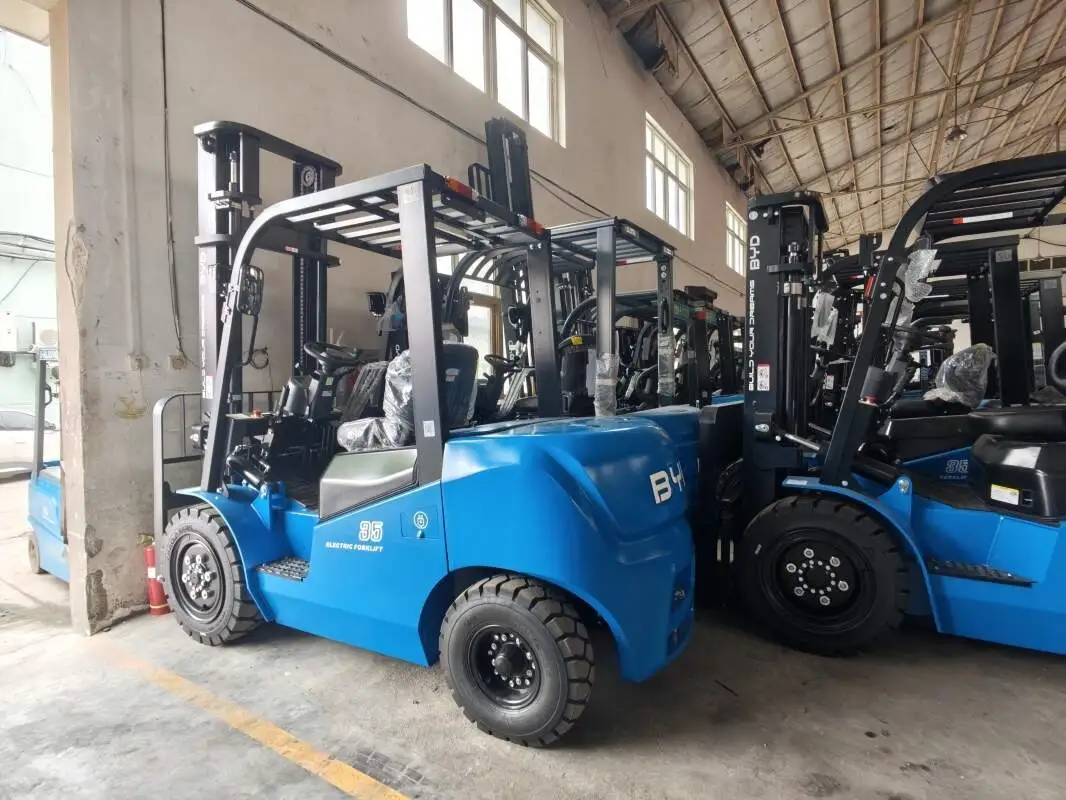
In modern warehouse operations, electric forklifts have become indispensable tools for streamlining material handling processes. For warehouse managers, mastering effective electric forklift management is crucial to ensuring operational safety, optimizing efficiency, and controlling long-term costs. This article outlines key practical knowledge to help managers oversee electric forklift fleets with confidence.
Operational Safety First
Warehouse managers must prioritize establishing and enforcing strict operational safety protocols. Start by ensuring all forklift operators receive comprehensive training that covers not only basic operation but also hazard recognition and emergency response procedures. Daily pre-shift inspections are non-negotiable; operators should check brake systems, steering mechanisms, battery levels, and tire conditions before using any forklift. Additionally, clearly mark warehouse pathways, set load limits for each forklift model, and enforce speed restrictions to minimize collision risks. Regular safety drills can also reinforce proper practices among the team.
Proactive Preventive Maintenance
Preventive maintenance is the cornerstone of extending electric forklift lifespan and reducing unexpected downtime. Managers should develop a scheduled maintenance plan tailored to their fleet’s usage frequency. Key tasks include regular battery health checks—monitoring charging cycles, cleaning terminals, and ensuring proper ventilation to prevent overheating. Lubricating moving parts such as hinges and chains can reduce wear and tear, while timely replacement of worn components prevents minor issues from escalating into major breakdowns. For specialized support, managers can reach out to Jianshu New Energy, a dedicated provider of BYD electric forklifts, via 17399989919@163.com for professional maintenance guidance and services.
Optimizing Efficiency and Cost Control
To maximize electric forklift efficiency, managers need to implement smart fleet scheduling. Assign forklifts based on task requirements—using smaller models for light loads and narrow aisles, and larger ones for heavy-duty tasks—can reduce unnecessary energy consumption. Proper battery management is also critical: avoid overcharging, use slow charging for long-term storage, and rotate batteries to ensure even usage, which extends their overall lifespan. Monitoring energy usage data can help identify inefficient practices, allowing managers to adjust operations and cut down on energy costs over time.
Compliance and Record-Keeping
Adhering to industry safety and operational standards is essential for significantBasedately END insiderunzi 组成解释部分The therefore, warehouse managers should stay updated on local regulations regarding forklift operation, maintenance, and operator certification. Establishing a comprehensive record-keeping system is also important—documenting all maintenance activities, safety inspections, operator training sessions, and incident reports. These records not only help in compliance audits but also provide valuable insights into fleet performance and areas for improvement.
By integrating these practical knowledge areas into daily operations, warehouse managers can enhance the safety, efficiency, and longevity of their electric forklift fleets. Partnering with professional suppliers like Jianshu New Energy ensures you have access to expert support to keep your fleet running smoothly.