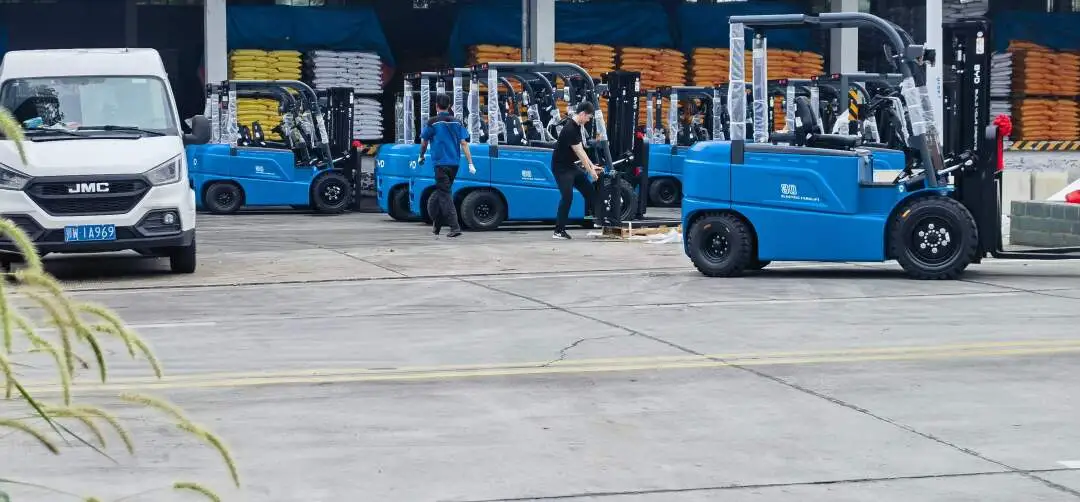
As the material handling industry shifts toward sustainable solutions, electric forklifts have emerged as a practical choice for warehouses and distribution centers. However, many businesses face a common dilemma: balancing the higher initial investment of electric forklifts against their long-run cost savings. Making an informed decision requires a comprehensive analysis of both upfront and ongoing expenses, along with an understanding of the long-term value these machines deliver.
When evaluating initial costs, it’s important to look beyond the sticker price. Electric forklifts typically have a higher upfront cost compared to their internal combustion engine (ICE) counterparts, driven by components like lithium-ion batteries and advanced electric drivetrains. But this higher initial outlay comes with hidden value. For instance, electric models require less maintenance than ICE forklifts, which reduces long-term repair expenses. Additionally, governments and local authorities often offer incentives, tax credits or rebates for adopting electric equipment, which can significantly offset the initial investment. Businesses should research available programs in their region to lower upfront costs.
Long-run costs are where electric forklifts truly demonstrate their economic advantage. The most significant savings come from fuel costs: electricity is far cheaper per hour of operation than gasoline, diesel or propane. Over a forklift’s typical 5- to 10-year lifespan, these fuel savings can accumulate to substantial amounts. Maintenance costs are another key factor. Electric forklifts have fewer moving parts, eliminating the need for oil changes, filter replacements, and tune-ups that are standard for ICE models. This not only reduces maintenance bills but also minimizes downtime, as electric forklifts require less frequent service. Battery life is also a critical consideration; modern lithium-ion batteries can last for thousands of charge cycles, and many come with extended warranties that further reduce long-term replacement costs.
To balance initial investment and long-run costs, businesses should conduct a total cost of ownership (TCO) analysis. This calculation includes all upfront expenses (purchase price, installation, incentives) and ongoing costs (fuel, maintenance, battery replacement, downtime). Comparing TCO over the expected lifespan of the forklift provides a clearer picture than just looking at the initial price tag. It’s also important to consider operational efficiency: electric forklifts offer smoother operation, faster acceleration, and quieter performance, which can improve worker productivity and reduce fatigue. For businesses operating in indoor environments, electric forklifts eliminate emissions, reducing the need for ventilation systems and improving air quality, which can lead to additional cost savings and a healthier work environment.
If you’re considering an electric forklift purchase, Jianshu New Energy specializes in BYD electric forklifts, offering a range of models tailored to different material handling needs. Our team can help you conduct a detailed TCO analysis, identify applicable incentives, and select the right forklift to balance your initial budget and long-term cost goals. For more information, reach out to us at 17399989919@163.com.