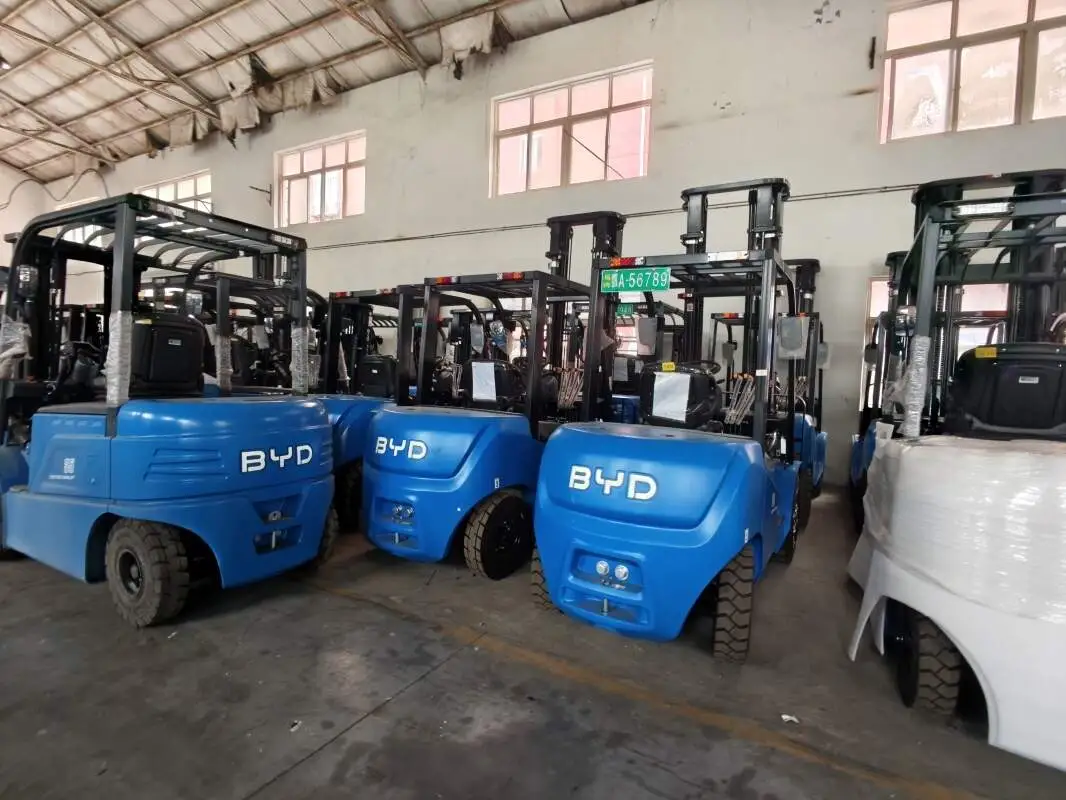
The steering assembly is a critical component for the safe and efficient operation of electric forklifts, especially those used frequently in busy warehouses, logistics centers, and manufacturing facilities. Over time, constant use can lead to wear, loosening, and performance degradation of steering parts, which not only affects maneuverability but also poses potential safety risks. Therefore, focusing on regular maintenance of the steering assembly is essential to extend the forklift’s service life and ensure operational reliability.
Visual Inspection and Wear Assessment
Regular visual inspections are the first line of defense against steering assembly issues. For frequently used electric forklifts, conduct these inspections at least once a week, or more often if operating in harsh environments. Check for signs of wear on steering linkages, ball joints, and tie rods, such as cracks, excessive play, or corrosion. Inspect the steering gearbox for oil leaks, which can indicate seal damage and lead to reduced steering efficiency. Also, examine the steering wheel for abnormal looseness or vibrations, which may signal underlying component issues.
Lubrication Maintenance
Proper lubrication is crucial to reduce friction between moving parts in the steering assembly. Follow the manufacturer’s recommended lubrication schedule, typically every 200 to 300 operating hours for high-use forklifts. Use the specified type of lubricant to ensure compatibility with components. Focus on lubricating ball joints, tie rod ends, and steering gearbox components. Be sure to wipe away excess lubricant to prevent dust and debris buildup, which can accelerate wear.
Adjustment and Calibration
Over time, steering clearances may increase due to component wear, leading to imprecise steering. Periodically adjust the steering gearbox to maintain the correct clearance as specified in the forklift’s maintenance manual. Additionally, check and calibrate the steering alignment to ensure the forklift travels straight without pulling to one side. Misalignment not only affects steering control but also increases tire wear, adding to operational costs.
Fault Detection and Prompt Repair
Pay close attention to early warning signs of steering assembly problems, such as stiff steering, unusual noises during turning, or delayed steering response. These symptoms may indicate worn components, insufficient lubrication, or internal damage to the steering gearbox. When such issues are detected, stop using the forklift immediately and arrange for professional inspection and repair. Avoid delaying repairs, as minor issues can escalate into major failures that require costly replacements and downtime.
By prioritizing these maintenance focus areas, you can keep the steering assembly of frequently used electric forklifts in optimal condition. For professional maintenance support and expert guidance tailored to your electric forklift needs, contact Jianshu New Energy at 17399989919@163.com. Our team of specialists is dedicated to helping you maintain the safety and efficiency of your forklift fleet.