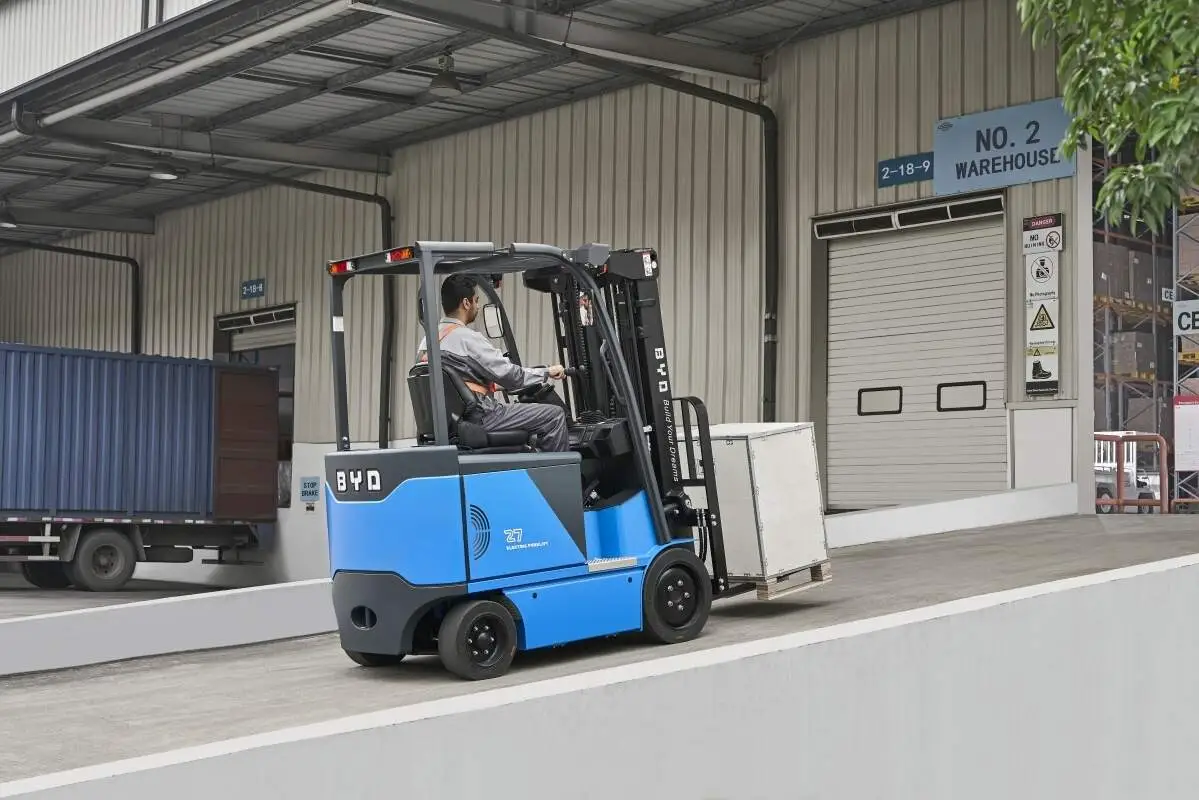
Compact industrial forklifts are indispensable for operations with limited space, such as narrow warehouse aisles, small manufacturing floors, and urban distribution centers. Choosing the right unit requires a close look at core specifications that directly impact performance, safety, and operational efficiency. Below are the key specs to review before making a purchase.
Load Capacity
The rated load capacity is one of the most critical specs, referring to the maximum weight a forklift can safely lift to a specified height. It’s essential to match this capacity to your typical load weights, including palletized goods and any additional attachments. Overloading can lead to structural damage, instability, and safety hazards, so always opt for a unit that accommodates your heaviest regular loads with a small buffer for unexpected needs.
Lift Height
Lift height determines how high the forklift can raise loads, a vital consideration for multi-level storage systems. For warehouses with high racking, ensure the forklift’s maximum lift height exceeds the top shelf’s height to allow for safe loading and unloading. Keep in mind that load capacity may decrease as lift height increases, so verify the rated capacity at your required working height rather than just the maximum listed height.
Turning Radius
A compact forklift’s main advantage lies in its ability to navigate tight spaces, making turning radius a key spec. The minimum turning radius measures the smallest circle the forklift can maneuver within. For narrow aisles, look for units with a tight turning radius to avoid collisions with racks, walls, or other equipment. This spec directly impacts how efficiently you can move goods through confined areas, reducing downtime and improving workflow.
Power Source
Compact forklifts come with different power options, each suited to specific environments. Electric models run on batteries, offering zero emissions, low noise, and minimal maintenance—ideal for indoor operations where air quality and noise levels are priorities. Internal combustion (IC) models, powered by gasoline, diesel, or propane, provide higher torque for heavy outdoor tasks but produce emissions and require more frequent maintenance. Choose a power source that aligns with your workspace and operational demands.
Maneuverability Features
Beyond turning radius, additional maneuverability features enhance performance in tight spaces. Look for units with a narrow overall width to fit through narrow doorways and aisles. Some models offer in-place turning or side-shift capabilities, allowing precise positioning of loads without repositioning the entire forklift. Ergonomic controls and responsive steering also contribute to easier handling, reducing operator fatigue during long shifts.
By carefully reviewing these key specifications, you can select a compact industrial forklift that aligns with your operational needs, ensuring safe, efficient, and cost-effective material handling. Taking the time to evaluate each spec will help you avoid mismatches that could lead to operational bottlenecks or safety risks.