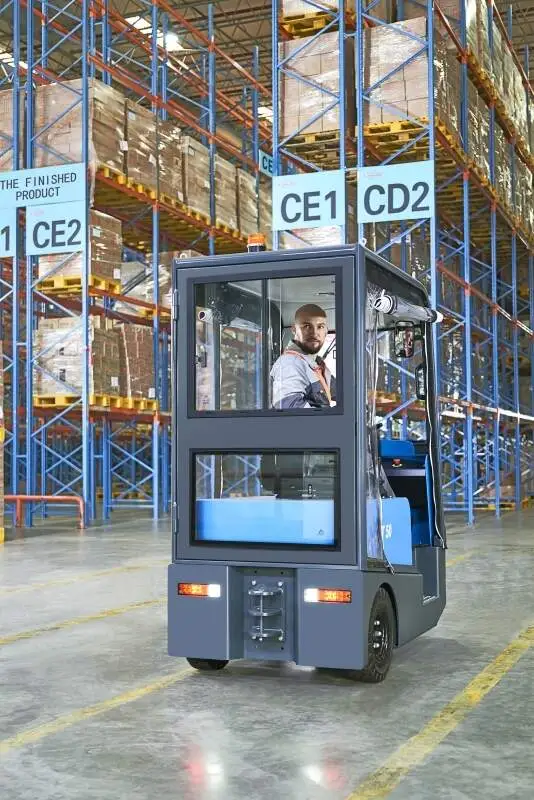
When operating a small forklift, selecting the right forks in multiple sizes is critical for safe and efficient material handling. Forks are the primary components that directly interact with loads, so making an informed choice can prevent accidents, extend equipment lifespan, and enhance overall operational productivity. This guide walks you through key considerations to help you pick the most suitable small forklift forks for your specific needs.
Load Capacity Evaluation
The first and foremost factor to consider is the load capacity of the forklift forks. You need to match the fork’s load rating with your typical load weight and distribution. Even if you mostly handle light loads, it’s wise to choose forks that can accommodate occasional heavier items to avoid overloading, which can lead to structural damage or tipping. Always refer to your forklift’s manufacturer specifications to ensure the forks you select align with the machine’s maximum lifting capacity.
Size Compatibility
Small forklifts come in various models, so fork size must be compatible with your equipment. Start by measuring the fork carriage’s width and the distance between mounting holes to ensure a proper fit. For multiple size needs, consider forks that can be adjusted or a set of forks in different lengths and widths to handle diverse load types—from narrow pallets to bulky crates. Remember that overly long forks can affect the forklift’s maneuverability in tight spaces, while too short ones may not provide sufficient support for larger loads.
Material and Durability
The material of the forks directly impacts their durability and performance. High-quality steel is a common choice, as it offers excellent strength and resistance to bending or cracking under pressure. Look for forks with a hardened surface to minimize wear from frequent contact with pallets and loads. Additionally, check for signs of corrosion resistance, especially if your forklift operates in humid or outdoor environments, as rust can weaken the forks over time.
Maintenance and Inspection Needs
Opt for forks that are easy to maintain to reduce long-term operational costs. Forks with smooth surfaces are simpler to clean and inspect for signs of damage, such as cracks or bent tines. Regular inspections are essential to identify potential issues early, so choosing forks that allow for straightforward visual checks can save time and effort. You may also want to consider forks that come with clear maintenance guidelines to ensure proper care throughout their lifespan.
In summary, selecting small forklift forks in multiple sizes requires careful assessment of load capacity, size compatibility, material quality, and maintenance requirements. By taking these factors into account, you can choose forks that not only meet your immediate material handling needs but also contribute to the safe and efficient operation of your small forklift. Whether you’re handling light loads in a warehouse or heavier items in a construction yard, the right forks will enhance your workflow and reduce the risk of equipment failure or workplace accidents.