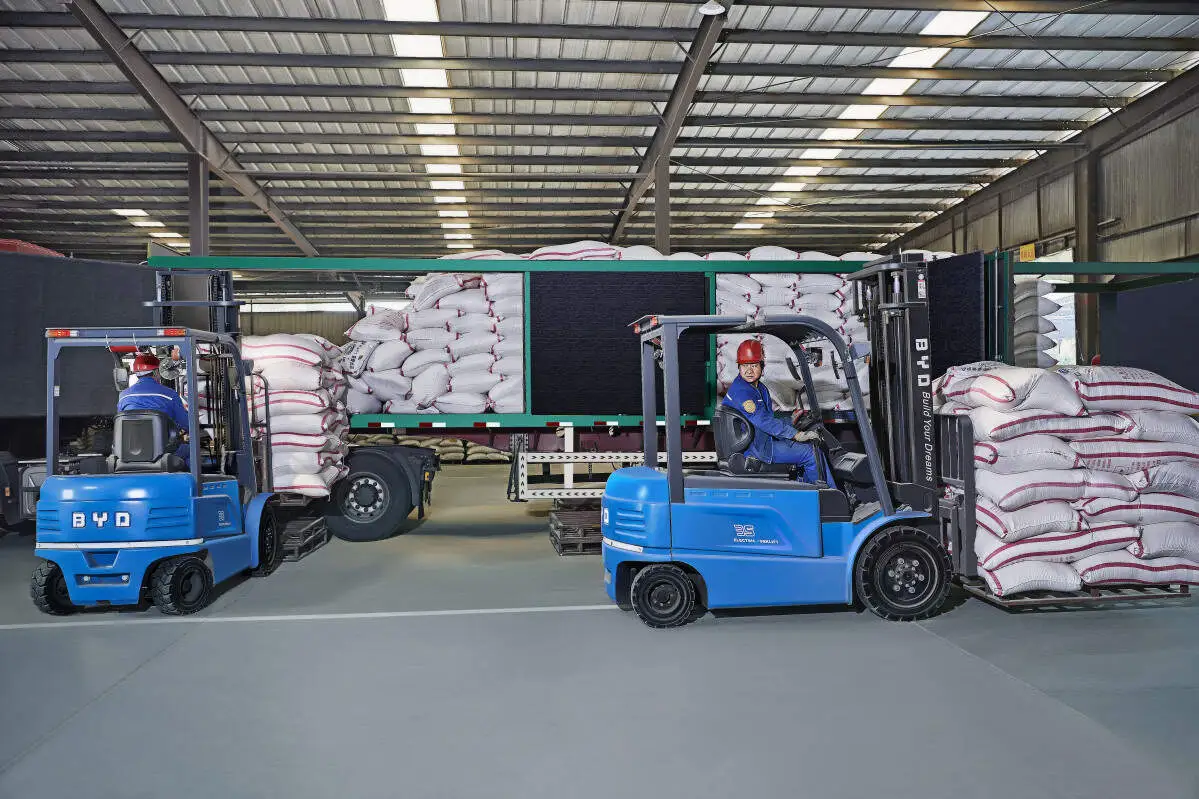
Forklifts are workhorses in warehouses, distribution centers, and construction sites, relying on a range of components to operate safely and efficiently. Over time, wear and tear, heavy usage, and environmental factors can degrade these parts, making replacement essential to avoid downtime and maintain performance. A labeled diagram of forklift replacement components serves as an invaluable tool for technicians, operators, and facility managers, helping them identify key parts, understand their functions, and know when to schedule replacements.
For electric forklifts, the battery is the heart of the machine, providing power for lift operations, movement, and auxiliary functions. Over cycles of charging and discharging, battery capacity diminishes, leading to reduced runtime and slower performance. A labeled diagram highlights the battery’s position, terminals, and surrounding components like the charger connection. Signs that a battery needs replacement include frequent recharging needs, visible terminal corrosion, or a significant drop in lifting power.
The forks are the primary load-bearing components, responsible for lifting and transporting pallets and heavy materials. Constant contact with rough surfaces, overloading, and improper storage can cause forks to bend, crack, or wear down at the tips. A labeled diagram clearly shows the fork’s structure, including the tines, heel, and mounting brackets. Replacing forks is critical when they show deformation or wear beyond safety standards, as damaged forks can lead to load instability and accidents.
Forklift tires come in pneumatic, solid, and cushion types, each designed for specific environments. Pneumatic tires suit outdoor use but can puncture, while solid tires are more durable for indoor surfaces. Over time, tires develop uneven wear, cracks, or lose tread. The labeled diagram points out tire positions, wheel hubs, and mounting hardware. Replacing tires ensures stable operation, reduces vibration, and prevents unexpected breakdowns, especially in high-traffic areas.
The hydraulic system powers the lifting mechanism, enabling smooth load raising and lowering. The hydraulic pump generates pressure, while cylinders convert that pressure into mechanical force. Leaks, reduced lifting speed, or unusual noises indicate these components may need replacement. A labeled diagram identifies the pump, cylinders, hoses, and valves, helping technicians locate issues quickly. Regular inspection and timely replacement of worn hydraulic parts prevent system failure and costly repairs.
Brakes are vital for operator safety and load control. Forklift brakes include brake pads, discs, drums, and master cylinders. Frequent use wears down brake pads, leading to reduced stopping power. The labeled diagram shows brake system components near the wheels and pedal assembly. Replacing brake parts before failure is essential to avoid collisions and ensure compliance with safety regulations.
Understanding forklift replacement components through a labeled diagram simplifies maintenance, extends machine lifespan, and enhances operational safety. By familiarizing themselves with these parts and recognizing early wear signs, facility managers and technicians can plan replacements proactively, minimizing downtime and maximizing productivity. Whether you’re a seasoned technician or new operator, a clear labeled diagram is an essential resource for keeping forklifts running at their best.