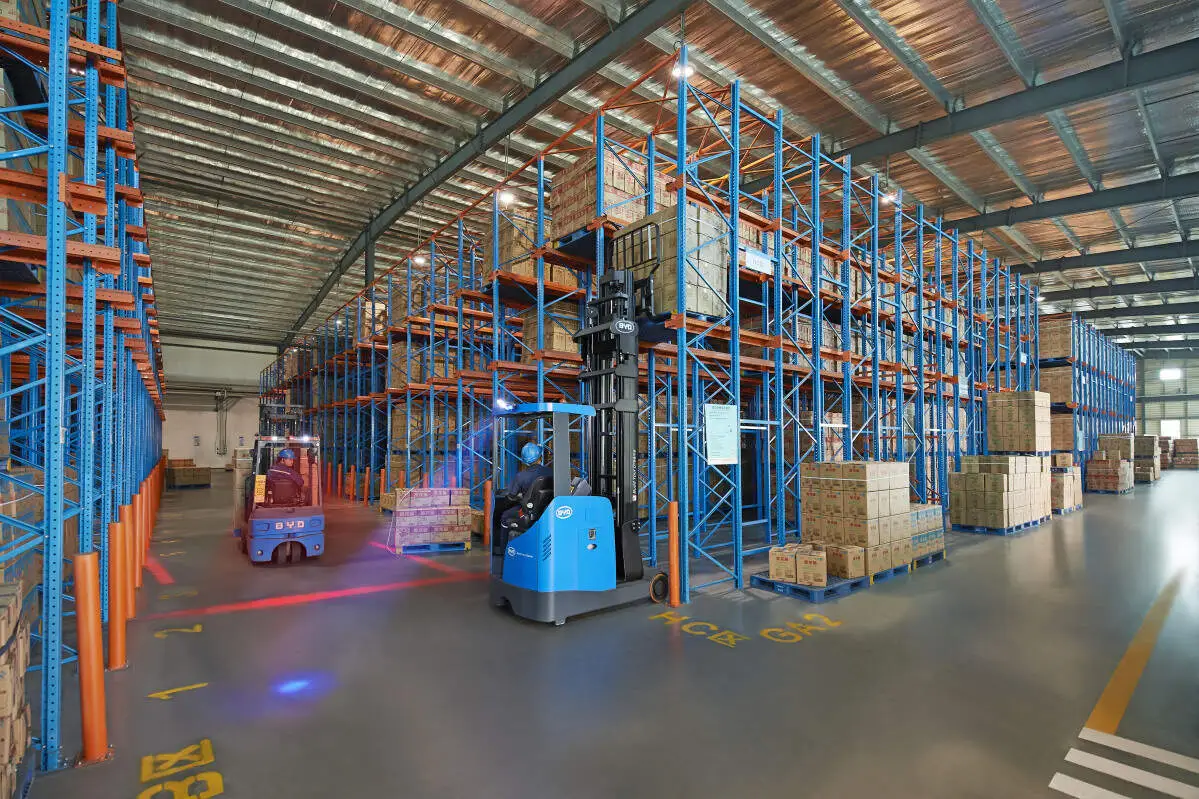
electric forklifts are integral to modern material handling operations, streamlining the movement of heavy loads across warehouses, manufacturing facilities, and distribution centers. However, their powerful electric motors and hydraulic systems pose inherent safety risks, especially during maintenance, repair, or cleaning tasks when accidental activation can lead to serious injuries or equipment damage. This is where lockout safety devices for electric forklifts play a critical role, serving as a foundational component of workplace safety protocols.
Lockout safety devices are designed to isolate an electric forklift’s energy sources, preventing unintended startup or operation during non-operational tasks. These devices typically target key energy points, such as the battery disconnect switch, ignition system, or hydraulic power controls. By physically locking these components in a non-operational state, they create a secure barrier that eliminates the risk of accidental power engagement, protecting both maintenance personnel and nearby workers from potential hazards like crushing, pinching, or electrical shocks.
Proper implementation of a lockout safety device follows a standardized procedure to ensure effectiveness. First, the operator must shut down the forklift completely, turning off all power sources including the main battery switch. Next, the lockout device is applied to the energy-isolating component—this could be a padlock, hasp, or specialized lock designed for forklift systems. Each authorized worker involved in the task should place their own lock on the device, ensuring that no single individual can remove all locks and restart the equipment without consent. A clear warning tag is then attached to the lockout device, indicating that the forklift is under maintenance and must not be operated. Finally, the worker should verify that the energy source is truly isolated by attempting to start the forklift or activate its systems, confirming no power is flowing before beginning the task.
Lockout safety devices are essential in a variety of scenarios beyond routine maintenance. They are equally critical during battery replacement, hydraulic system repairs, and deep cleaning of the forklift’s internal components. In environments with multiple workers, these devices prevent confusion about whether a forklift is safe to operate, reducing the likelihood of accidental interference. Additionally, during equipment inspections, lockout devices ensure inspectors can work on the forklift without fear of sudden movement, allowing for thorough and safe evaluations of critical systems.
To maintain the reliability of lockout safety devices, regular inspections are necessary. Workers should check for signs of wear, damage, or corrosion on locks, hasps, and tags, replacing any faulty components promptly. Employers must also provide comprehensive training to all forklift operators and maintenance staff, covering proper lockout procedures, device usage, and emergency protocols. Training should emphasize the importance of adhering to lockout protocols every time, even for quick tasks, as complacency can lead to avoidable accidents.
In conclusion, lockout safety devices are not just optional accessories for electric forklifts—they are essential tools that safeguard workers and protect valuable equipment. By implementing proper lockout procedures and maintaining these devices regularly, workplaces can significantly reduce the risk of accidents in material handling operations, creating a safer environment for all personnel. Investing in lockout safety is an investment in both employee well-being and operational efficiency, ensuring that electric forklifts remain a reliable asset without compromising on safety.