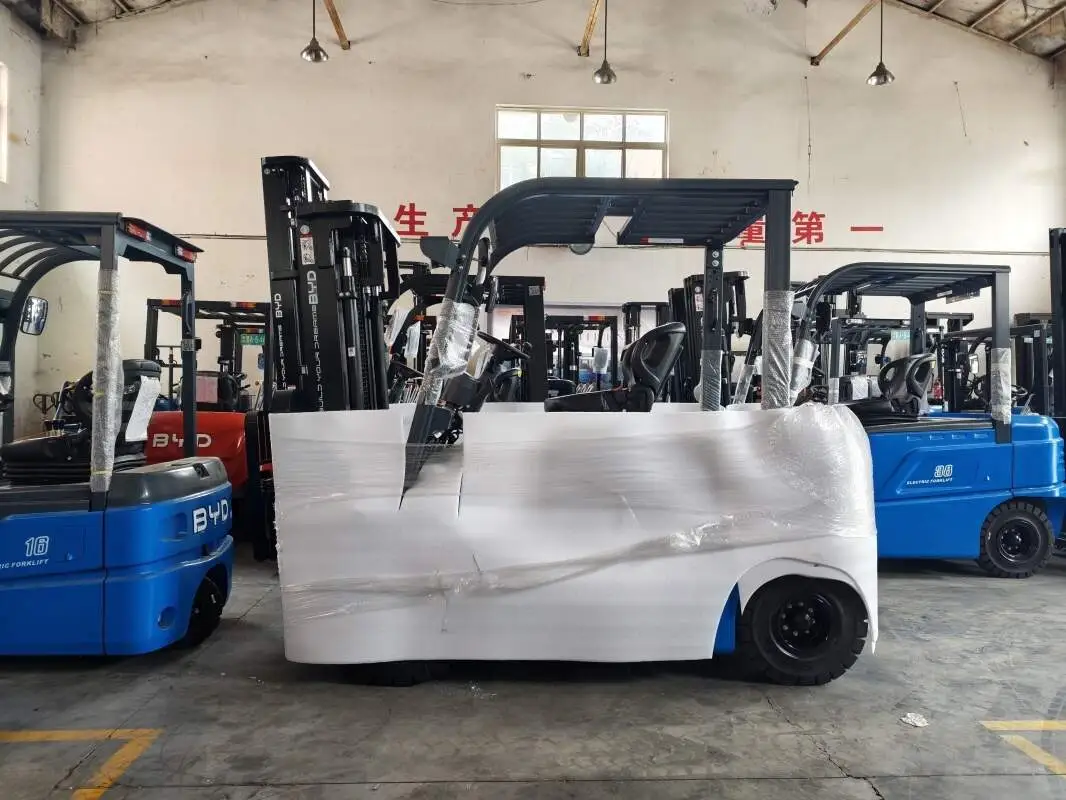
The NR3000 Series electric forklift has emerged as a reliable workhorse for warehouses, manufacturing facilities, and logistics operations, thanks to its balanced performance and adaptability to varied material handling tasks. For businesses looking to invest in this equipment, understanding its latest market price is critical to budgeting and procurement planning.
Several key factors play a role in determining the current market price of the NR3000 Series forklift. First, configuration specifications significantly impact cost. Units with higher load capacities (typically ranging from 2 to 3.5 tons) and extended lift heights (up to 6 meters) tend to carry a higher price tag compared to base models designed for light-duty tasks. Battery type is another major cost driver: lead-acid battery-equipped models are more affordable upfront, while lithium-ion battery variants, which offer longer lifespan, faster charging, and lower maintenance costs, command a moderate premium over lead-acid alternatives.
Market supply and demand dynamics also influence pricing trends. During peak industrial seasons, such as the end-of-year logistics rush, demand for material handling equipment rises, which can lead to slight price increases or limited availability of certain configurations. Conversely, off-peak periods may bring promotional offers or discounted pricing from suppliers looking to clear inventory. Regional variations further affect the final price, as transportation costs, local import tariffs, and regulatory requirements can add to the overall cost in different geographic areas.
As of 2024, the latest market price range for the NR3000 Series forklift varies based on the above factors. Base models with lead-acid batteries and standard load capacity sit in the lower end of the spectrum, while fully configured units with lithium-ion batteries, advanced safety features, and custom attachments fall into the higher price bracket. It’s important for buyers to note that these ranges are subject to change based on raw material costs, such as steel and battery components, which can fluctuate over time.
When considering a purchase, businesses should look beyond the upfront price to evaluate the total cost of ownership. This includes factors like maintenance expenses, battery replacement costs, energy efficiency, and downtime. Additionally, partnering with reputable suppliers that offer reliable after-sales support can help mitigate long-term costs and ensure optimal performance of the equipment. By carefully assessing operational needs and comparing different configurations, buyers can make informed decisions that align with their budget and material handling requirements.