Articulated forklifts have emerged as indispensable tools in modern industrial material handling, offering unmatched maneuverability and adaptability across diverse work environments. Articulated forklift manufacturers focus on engineering products that balance functional design, reliable performance, and operator-centric features to meet a wide array of operational demands.
Manufacturers curate a diverse lineup of articulated forklift models tailored to specific working scenarios. Compact articulated forklifts are designed for narrow aisles in warehouses and distribution centers, where space constraints are a key challenge. Their unique articulated steering system enables a tight turning radius, allowing operators to navigate tight corners and narrow passageways with ease while maintaining steady load handling capabilities. This makes them ideal for optimizing inventory access and workflow efficiency in confined storage spaces.
For outdoor and heavy-duty applications, manufacturers offer robust heavy-duty articulated forklifts. Built with high-strength steel frames and reinforced components, these models are engineered to handle heavy loads over uneven terrain, such as construction sites, lumber yards, and outdoor logistics hubs. They feature enhanced stability systems to ensure safe operation even when transporting bulky materials across rough surfaces, reducing the risk of load shifts or equipment tipping.
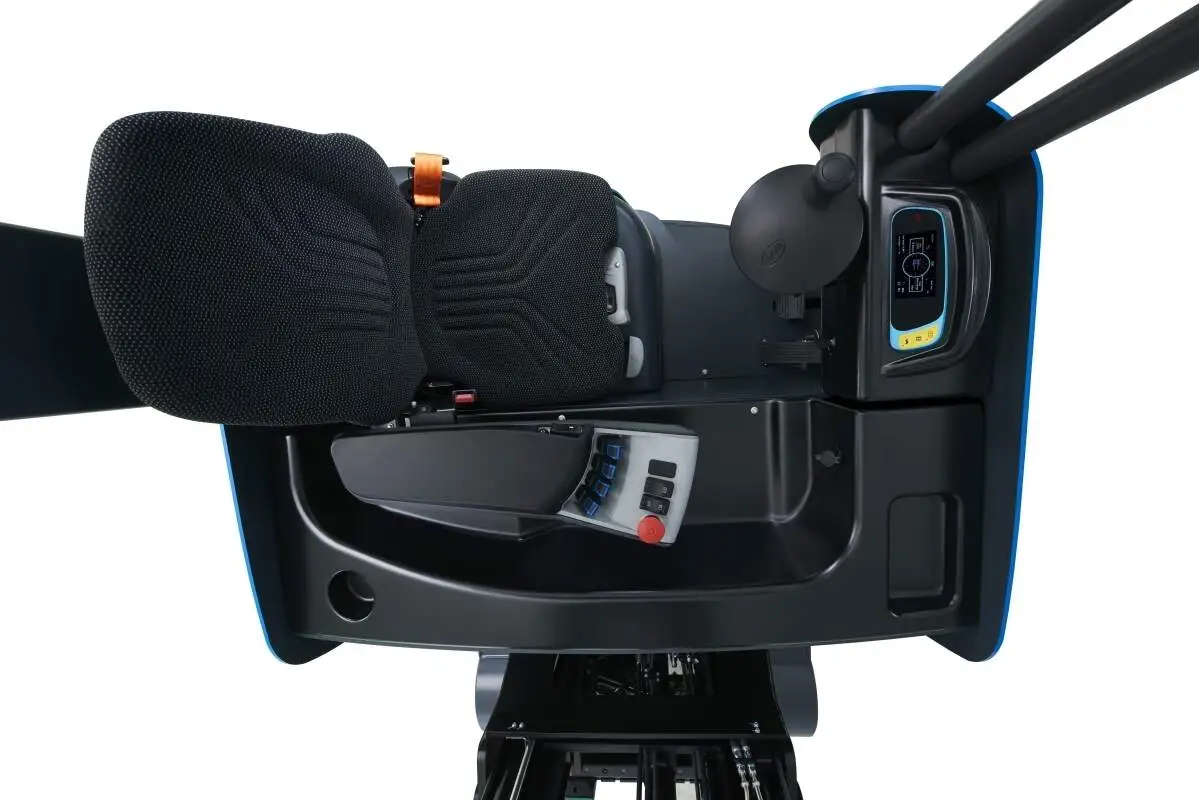
Beyond load capacity and size, articulated forklift manufacturers prioritize user experience and safety. Ergonomic operator cabins come standard with adjustable seats, intuitive control panels, and panoramic visibility, minimizing operator fatigue during long shifts. Integrated safety features include stability control, anti-slip braking systems, and overhead protective guards, designed to protect both operators and surrounding personnel from potential hazards.
These versatile forklifts find applications across multiple industries. In warehousing and retail distribution, they streamline the movement of goods between storage racks and loading docks. Construction teams rely on them to transport building materials, such as steel beams and concrete blocks, across job sites. Manufacturing facilities use articulated forklifts to move raw materials and finished products between production lines, while agricultural operations deploy them for handling heavy harvests and supplies.
In addition to standard models, many articulated forklift manufacturers offer custom configuration options. Customers can select from varying load capacities, lift heights, and specialized attachments like side shifters or fork positioners to match their unique operational needs. Comprehensive after-sales support, including maintenance training and prompt repair services, ensures that these forklifts remain in optimal working condition, extending their service life and maximizing operational value.