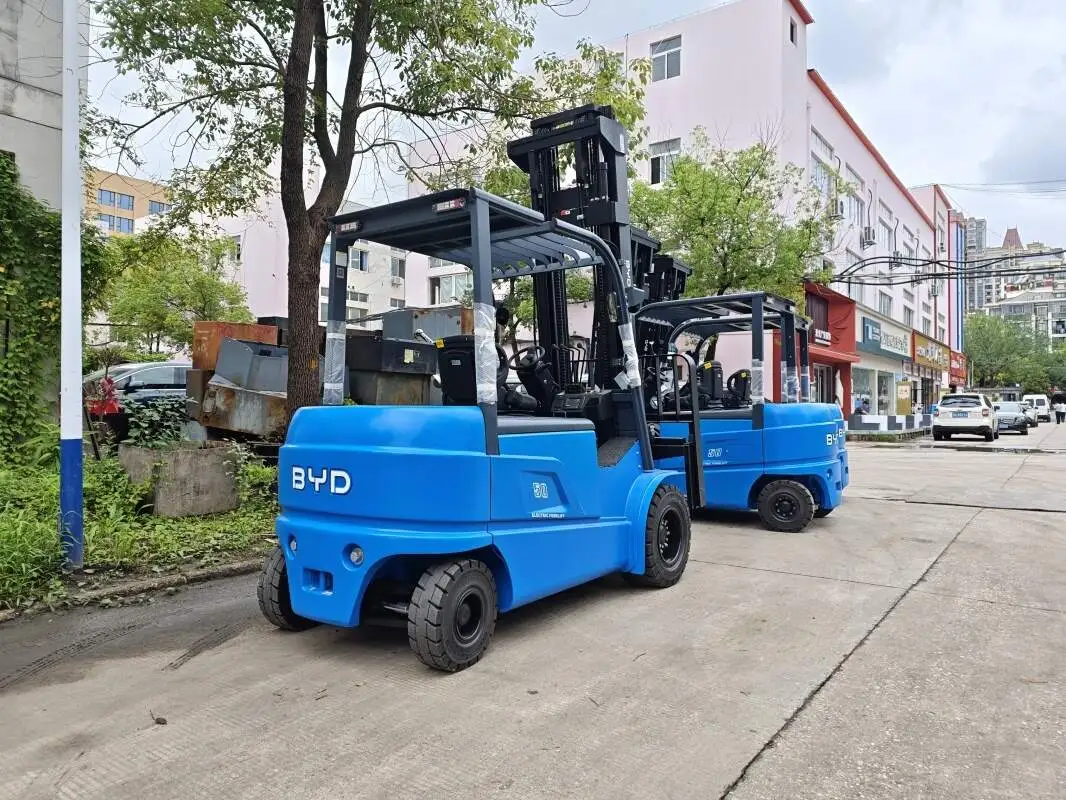
Piggyback forklifts, also called truck-mounted forklifts, are versatile portable material handling tools widely used in warehouses, logistics yards, and distribution centers. Their weight specifications play a critical role in determining operational efficiency, safety, and suitability for different work environments.
At its core, the weight specification of a piggyback forklift encompasses two key metrics: self-weight and maximum load capacity. Self-weight refers to the total weight of the forklift itself when unloaded, which directly impacts its portability and the load it imposes on the carrying truck. Typically, compact piggyback forklifts designed for light-duty tasks have a self-weight ranging from 200 to 500 kilograms, while models built for heavier operations may weigh between 500 to 800 kilograms. On the other hand, maximum load capacity denotes the heaviest weight the forklift can safely lift and transport, with common ranges spanning from 1,000 to 3,000 kilograms depending on the model.
Several factors influence the weight specifications of piggyback forklifts. Material selection is a primary driver: manufacturers often use high-strength, lightweight steel alloys to reduce self-weight without compromising structural integrity. Design features also matter—foldable frames and telescoping components allow for more compact storage, which can contribute to a lower overall weight. Additionally, optional attachments such as side shifters or fork positioners may add extra weight, so operators should consider these additions when evaluating a forklift’s total weight and load capacity.
When selecting a piggyback forklift based on weight specifications, it is essential to align the parameters with your operational needs. For narrow or confined spaces, a lighter self-weight model is preferable as it offers better maneuverability. If your daily tasks involve lifting heavy pallets or bulky goods, prioritize a forklift with a higher load capacity that matches your typical payload weights. Furthermore, remember to check the weight limits of the truck that will carry the forklift, as exceeding these limits can lead to safety hazards during transportation.
Understanding and adhering to weight specifications not only ensures safe operation but also extends the lifespan of both the forklift and the carrying vehicle. By carefully evaluating self-weight, load capacity, and influencing factors, you can choose a piggyback forklift that optimizes your material handling processes while maintaining compliance with safety standards.