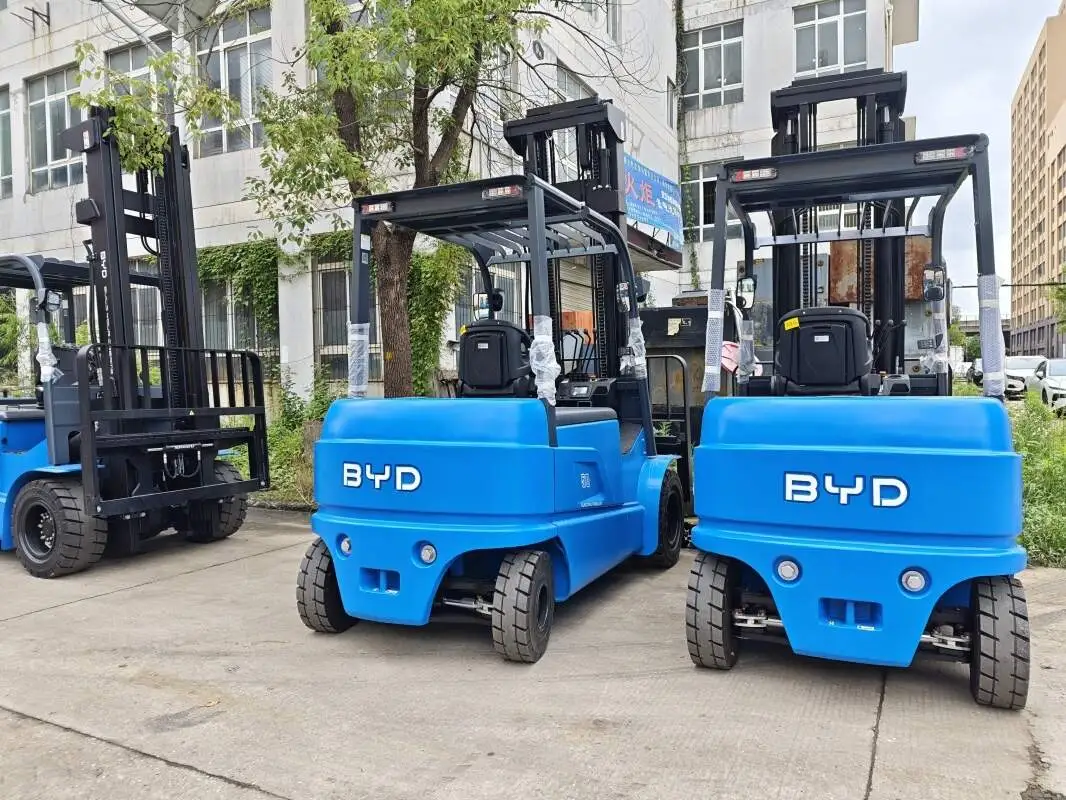
Obtaining a forklift counterbalance licence requires structured training that combines theoretical knowledge and practical skills to ensure operators can handle these powerful machines safely and compliantly. This training is designed to mitigate workplace risks and meet industry safety standards, covering core areas every operator must master.
Theoretical Learning Modules
First, trainees delve into safety regulations and workplace protocols. This includes understanding local occupational safety guidelines, identifying potential hazards in warehouse or industrial settings, and learning how to follow proper reporting procedures for incidents. A key focus is on the counterbalance forklift’s design and mechanics—specifically how the rear counterweight system works to offset the load’s weight, preventing tipping during operation. Trainees also learn load calculation principles, such as determining safe load capacities based on the forklift’s specifications and the load’s centre of gravity. Additionally, pre-operation inspection is a critical theoretical topic: trainees study how to check essential components like brakes, tires, forks, and fluid levels before starting work, ensuring the forklift is in safe working condition.
Practical Operational Training
The practical segment builds on theoretical knowledge, starting with basic forklift control. Trainees learn how to start and stop the forklift smoothly, control speed, and execute precise turns in open spaces. As proficiency grows, they move on to load handling skills: attaching and securing loads, lifting and lowering them at the correct height, and transporting loads across different surfaces without swaying or dropping. Narrow space operation is another key component, teaching trainees to navigate tight aisles and crowded areas while maintaining clear visibility and avoiding obstacles. Emergency response training is also included, where operators practice handling scenarios like sudden brake failure, minor tipping incidents, and fire emergencies, learning how to react calmly and take appropriate action to protect themselves and others.
Final Assessment and Certification
To complete the training, trainees must pass both a written theoretical exam and a practical skills assessment. The written test evaluates their understanding of safety rules, mechanics, and inspection procedures, while the practical assessment tests their ability to operate the forklift safely and efficiently in real-world scenarios. Successful completion leads to a counterbalance forklift licence, validating their competence to operate these machines in professional settings.
This comprehensive training ensures that every licensed counterbalance forklift operator has the knowledge and skills to perform their duties responsibly, reducing workplace accidents and promoting a safe operational environment.