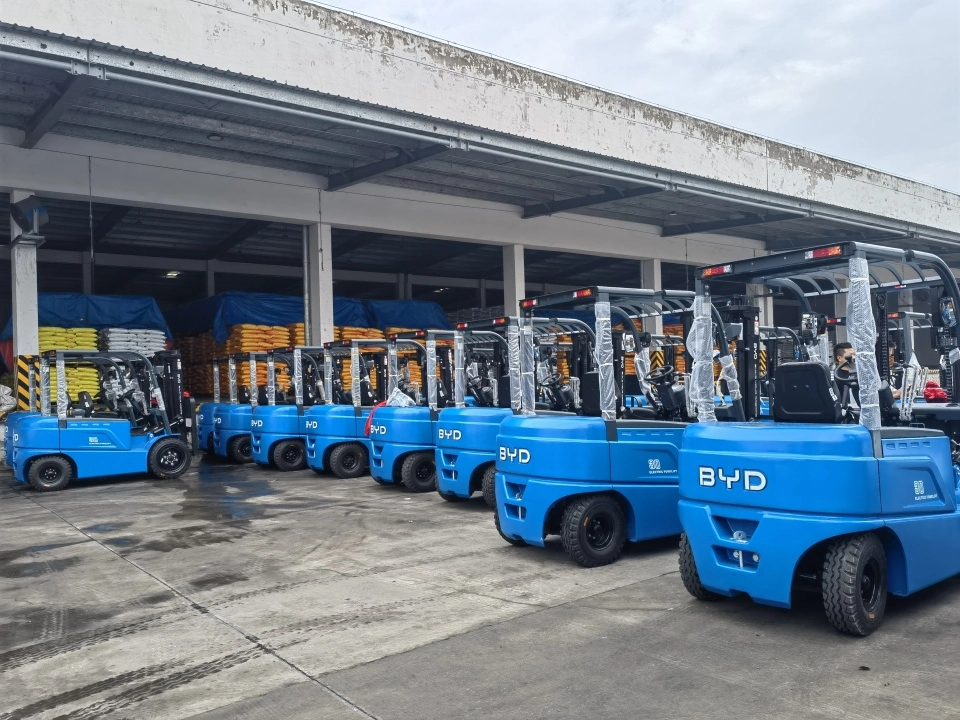
Forklifts are ubiquitous workhorses in warehouses, manufacturing facilities, and construction sites, playing a critical role in streamlining material handling operations. However, a common legal question often arises for businesses and operators: do forklifts qualify as mobile equipment under regulatory frameworks? This classification is far from trivial, as it directly impacts compliance requirements, operator training mandates, insurance coverage, and liability protocols. Understanding the legal nuances of this classification is essential for ensuring safe and lawful operations across industries.
To determine whether a forklift falls into the mobile equipment category, it is first necessary to establish the legal definition of mobile equipment. While specific definitions vary across jurisdictions, most regulatory bodies share core criteria. Generally, mobile equipment refers to mechanical devices designed to be moved—either autonomously or with external assistance—to perform specialized tasks. This category typically excludes passenger vehicles intended for public road use and fixed machinery permanently installed in a facility. Key characteristics include mobility for operational purposes, functionality focused on industrial or commercial tasks, and operation primarily in non-public environments such as warehouses or job sites.
When evaluating forklifts against these legal criteria, several alignments become clear. First and foremost, forklifts are inherently mobile: equipped with wheels or tracks, they can maneuver freely within workspaces to transport materials. Their primary function is task-specific material handling, which fits the specialized operational purpose of mobile equipment. Additionally, most forklifts are operated in enclosed industrial settings or construction sites, not on public roads, aligning with the non-public use parameter of mobile equipment definitions.
However, some regulatory frameworks may categorize forklifts under the broader umbrella of industrial vehicles rather than explicitly labeling them as mobile equipment. This distinction is often semantic, as industrial vehicles frequently overlap with mobile equipment in terms of regulatory requirements. For example, both classifications typically mandate operator certification, regular safety inspections, and adherence to workplace safety standards.
Regional variations in legal classification are also notable. In the United States, the Occupational Safety and Health Administration (OSHA) groups forklifts under powered industrial trucks, a category that falls within the broader scope of mobile equipment for compliance purposes. Meanwhile, in the European Union, the Machinery Directive classifies forklifts as mobile machinery, subject to specific safety and conformity assessment requirements. Some local jurisdictions may have additional nuances, such as differentiating between indoor and outdoor forklifts or those equipped with road-legal features.
The classification of forklifts as mobile equipment carries several key implications for businesses. Operators must hold appropriate certifications tailored to mobile equipment operation, ensuring they understand safety protocols, load handling, and maneuvering techniques. Insurance policies may require specific coverage for mobile equipment, as liability risks can differ from those associated with fixed machinery. Additionally, regular maintenance and inspection schedules are often mandated for mobile equipment, helping to prevent accidents and ensure operational integrity.
In most legal frameworks, forklifts are appropriately classified as mobile equipment, aligning with core criteria of mobility, specialized functionality, and non-public operation. While regional variations may introduce semantic differences, the underlying compliance and safety requirements remain consistent. Businesses should consult local regulatory bodies to confirm the specific classification in their jurisdiction, ensuring that all operational practices align with legal mandates. By prioritizing clarity on this classification, organizations can mitigate risks, maintain compliance, and foster a safer work environment for all personnel.