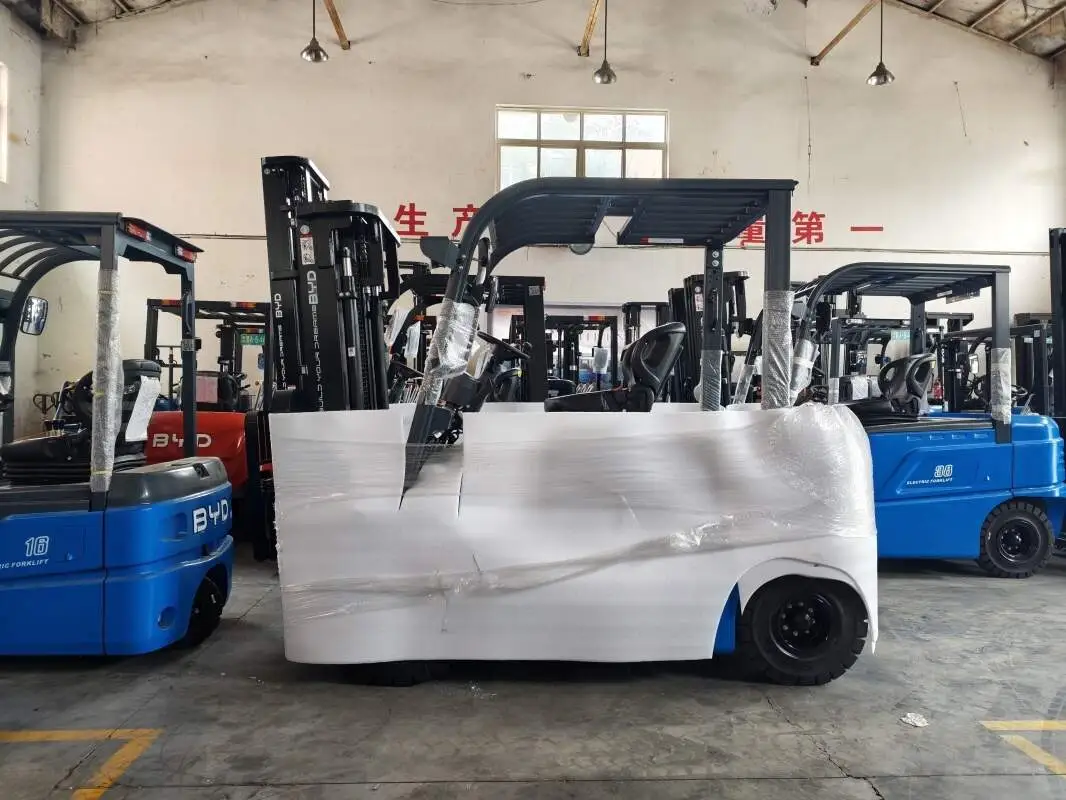
Industrial forklifts are workhorses in warehouses, distribution centers, and manufacturing facilities, relying on regular maintenance to sustain performance and safety. Among the most critical tools for maintenance teams is the spare parts manual, a detailed resource that streamlines repair processes and minimizes downtime. This guide explores how to leverage this manual effectively for routine and emergency forklift maintenance.
Understanding the Spare Parts Manual Structure
A typical spare parts manual is organized into logical sections, starting with an index that maps components to specific pages or digital entries. It includes exploded view diagrams that show how parts fit together, part numbers for accurate ordering, and specifications for dimensions, materials, and compatibility. Some manuals also include notes on common wear items that require frequent replacement, such as tires, hydraulic hoses, and brake pads. Taking the time to familiarize yourself with this structure ensures you can locate information quickly when repairs are needed.
Key Steps for Effective Manual Reference
When beginning maintenance work, start by identifying the specific forklift model and serial number, as manuals are often tailored to unique configurations. Next, define the repair task—whether it’s replacing a faulty sensor or servicing the hydraulic system. Use the index to navigate to the relevant section, then cross-reference the exploded diagram to confirm the exact part location and surrounding components. Always verify part numbers against the manual to avoid ordering incorrect replacements, which can lead to delays and additional costs. For complex repairs, follow the step-by-step instructions provided, which often include safety precautions to protect technicians from hazards like moving parts or hydraulic pressure.
Common Mistakes to Avoid
One common error is skipping pre-repair manual consultation, leading to guesswork that can damage components or compromise safety. Another is relying on outdated manual versions, as manufacturers may update part designs or maintenance procedures over time. It’s also important not to ignore compatibility notes; using a part that fits but doesn’t meet the manual’s specifications can shorten the forklift’s lifespan. Additionally, failing to document part replacements using the manual’s guidelines can make future maintenance more difficult, as technicians won’t have a clear record of what was replaced and when.
Long-Term Benefits of Proper Manual Usage
Consistent use of the spare parts manual reduces unplanned downtime by ensuring repairs are done correctly the first time. It also helps control maintenance costs by preventing unnecessary part replacements and ensuring only compatible parts are used. Over time, this approach extends the forklift’s operational lifespan and maintains compliance with safety standards, protecting both technicians and the workplace environment. Regularly reviewing the manual as part of training programs also ensures all maintenance team members are aligned on best practices, creating a more efficient and safe work environment.
In conclusion, the spare parts manual is an indispensable tool for industrial forklift maintenance. By understanding its structure, following key reference steps, avoiding common mistakes, and leveraging its guidance consistently, maintenance teams can enhance forklift performance, reduce costs, and prioritize safety. Investing time in mastering this resource pays off in the form of reliable operations and long-term equipment durability.