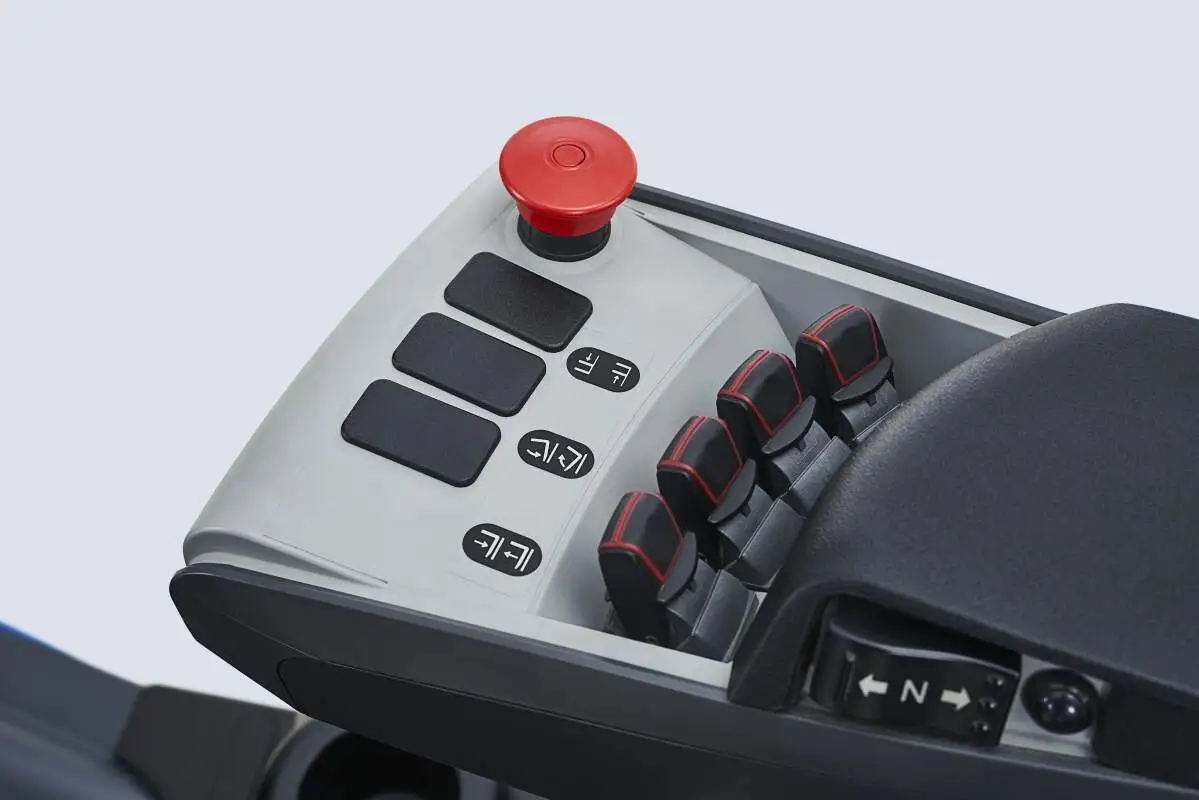
Forklifts are indispensable workhorses in industrial and logistics operations, supporting material handling tasks across warehouses, construction sites, and manufacturing facilities. The lifespan of a forklift directly impacts operational efficiency and cost-effectiveness, making it crucial for businesses to understand the key factors influencing its service life.
Regular preventive maintenance is the cornerstone of extending a forklift’s lifespan. Neglecting routine checks leads to premature wear and costly breakdowns. For electric forklifts, this includes inspecting battery health, cleaning terminal connections, and ensuring proper charging cycles to avoid overcharging or undercharging. Hydraulic systems require regular fluid level checks and filter replacements to maintain optimal performance, while brake systems, tires, and steering components need periodic inspections to identify wear early. Addressing minor issues promptly prevents them from escalating into major failures that shorten the forklift’s service life significantly.
Proper operating practices also play a vital role in preserving a forklift’s longevity. Untrained or careless operators cause unnecessary stress on components. Sudden stops, sharp turns, and rough load handling accelerate wear on suspension, tires, and hydraulic systems. Businesses must ensure all operators receive comprehensive training on safe operation, including correct load handling, terrain navigation, and adherence to speed limits. Following guidelines reduces accidental damage and extends usable life.
The operating environment is another key factor. Forklifts used in harsh conditions—extreme temperatures, high humidity, heavy dust—are prone to corrosion and component degradation. Moisture rusts metal parts, while dust clogs filters and damages moving components. Indoor forklifts in clean, dry conditions have longer lifespans. Protective measures like covering unused forklifts, regular cleaning, and anti-corrosion treatments mitigate harsh environment impacts.
Load management is critical to avoiding excessive strain. Operating beyond rated load capacity pressures hydraulic lifts, frames, and wheels, leading to premature fatigue. Even consistent near-maximum loads accelerate wear over time. Operators must check load ratings and ensure even load distribution for stability. Proper lifting attachments reduce component stress and extend lifespan.
Quality replacement components significantly influence service life. Low-quality, non-genuine parts save short-term costs but wear faster and damage adjacent components. Genuine or high-quality aftermarket parts meet original specifications, ensuring proper fit and performance. Investing in quality parts reduces breakdown frequency and maintains longevity.
In summary, a forklift’s lifespan depends on proactive maintenance, proper operation, environmental protection, responsible load management, and quality components. Addressing these factors maximizes service life, minimizes downtime, and boosts ROI. Regular maintenance reviews, ongoing operator training, and adaptive measures keep forklifts reliable for years.