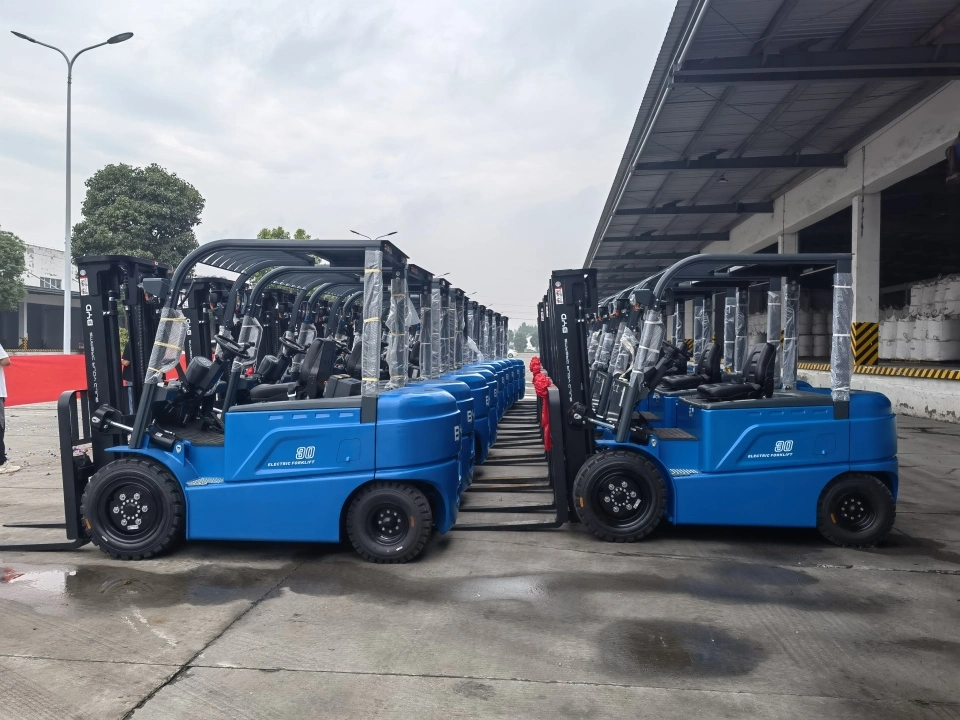
Solid forklift tires are critical for maintaining operational efficiency, reducing downtime, and ensuring workplace safety in material handling environments. Choosing the right supplier is not just a purchase decision—it’s a long-term partnership that impacts your fleet’s performance and bottom line. To navigate the market effectively, here are key considerations to identify quality solid forklift tire suppliers.
Prioritize Product Compliance and Quality Assurance
Reputable suppliers adhere to strict industry standards for solid forklift tires. Look for suppliers that can provide documentation of compliance with international safety and performance regulations. This ensures the tires are built to withstand heavy loads, frequent starts and stops, and varied terrain without premature wear. Additionally, inquire about their manufacturing processes—consistent production controls and high-quality raw materials are indicators of a supplier that prioritizes durability and reliability. Avoid suppliers that cannot verify their product standards, as subpar tires can lead to unexpected failures and increased maintenance costs.
Evaluate Customization Capabilities
Every material handling operation has unique needs, from narrow aisle warehouses to outdoor construction sites. A quality supplier should offer customization options to meet specific requirements, such as tire size, tread pattern, and load capacity. For example, operations with rough terrain may require tires with deeper treads for better traction, while indoor facilities might benefit from low-noise tires to maintain a quiet work environment. Suppliers that take the time to understand your operational needs and offer tailored solutions demonstrate a commitment to supporting your business’s success.
Assess After-Sales Support
A strong partnership extends beyond the initial purchase. Reliable suppliers provide comprehensive after-sales support, including technical assistance, warranty coverage, and timely replacement services. Before committing, ask about their response time for service inquiries and their ability to deliver replacement tires quickly to minimize downtime. A supplier that offers training on tire maintenance can also help you extend the lifespan of your tires, reducing long-term costs. Poor after-sales support can leave your fleet stranded when you need it most, making this a critical factor in your decision.
Review Industry Experience and Reputation
Suppliers with years of experience in the solid forklift tire industry have a proven track record of understanding market needs and delivering consistent quality. Look for suppliers with positive customer testimonials and a history of working with businesses similar to yours. You can also check industry forums and review platforms to gauge customer satisfaction levels. An experienced supplier is more likely to anticipate potential issues and provide proactive solutions, ensuring a smooth partnership.
Analyze Pricing and Value
While cost is an important factor, it should not be the sole determining factor. A lower-priced tire may seem like a good deal upfront, but it can lead to higher costs over time due to frequent replacements and downtime. Instead, focus on total value—consider the tire’s lifespan, durability, and the supplier’s support services when evaluating pricing. A quality supplier will offer transparent pricing without hidden fees, helping you budget effectively for your fleet’s tire needs.
Selecting the right solid forklift tire supplier requires careful evaluation of multiple factors, from product quality to after-sales support. By prioritizing compliance, customization, support, experience, and value, you can establish a partnership that enhances your operational efficiency and keeps your fleet running smoothly. Taking the time to research and vet suppliers will pay off in the long run, reducing maintenance costs and ensuring a safe, productive work environment.