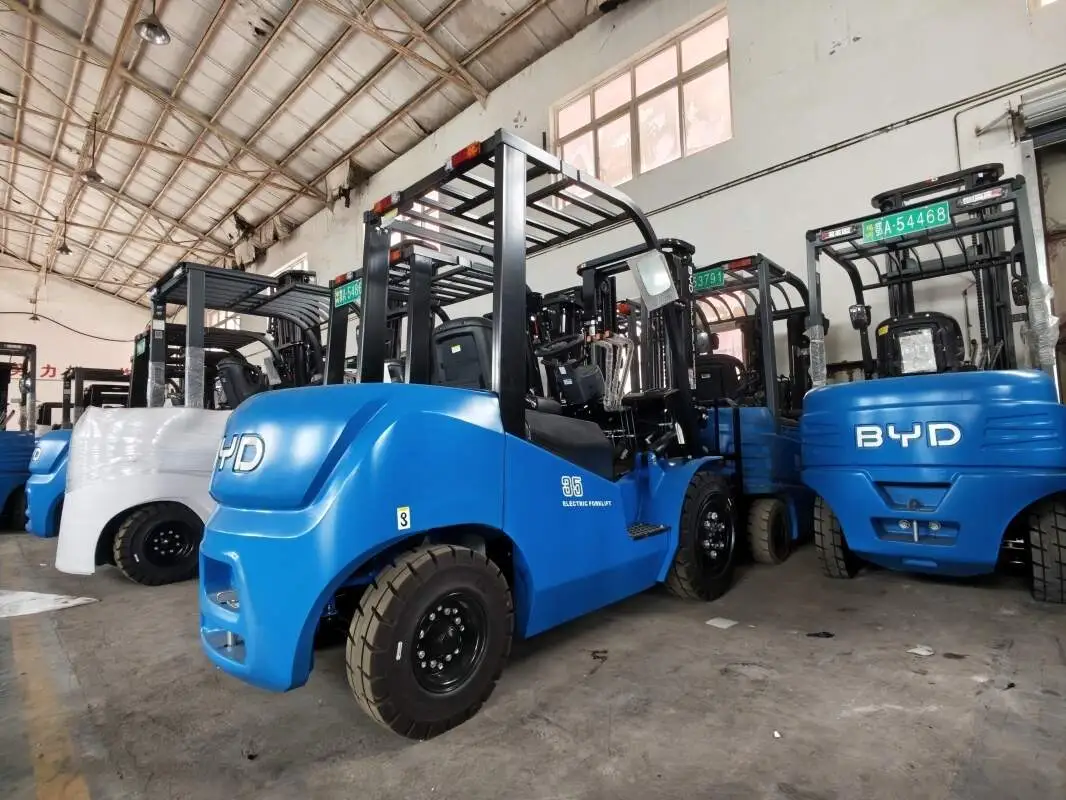
In industrial and warehouse operations, forklift battery performance directly impacts daily productivity, making the choice between lithium-ion and lead-acid technologies a critical decision for fleet managers. Both battery types serve as power sources for electric forklifts, but their operational characteristics differ significantly across key performance metrics.
When evaluating lifespan and reliability, lead-acid batteries typically offer 1,500 to 2,000 charge-discharge cycles, with their longevity heavily dependent on careful usage and maintenance. Deep discharges beyond recommended limits can shorten their lifespan by 30% or more, and they tend to experience noticeable capacity drops in low-temperature environments. In contrast, lithium-ion batteries deliver 3,000 to 5,000 charge-discharge cycles, with greater resilience to deep discharges. They also maintain more consistent performance in cooler conditions, reducing the risk of unexpected power loss during cold-weather operations.
Charging efficiency and operational downtime represent another key distinction. Lead-acid batteries require 8 to 10 hours of full charging, followed by a 1 to 2 hour cooling period before reuse. This often forces fleets to invest in spare batteries and dedicated swapping stations to avoid workflow interruptions, adding both cost and space requirements. Lithium-ion batteries, however, support fast charging—reaching 80% capacity in just 1 to 2 hours—and allow for opportunity charging during short breaks, such as lunch or shift changes. This eliminates the need for spare batteries, minimizing downtime and optimizing fleet utilization.
Maintenance requirements further set the two technologies apart. Lead-acid batteries demand regular upkeep, including topping up electrolyte levels with distilled water, cleaning corrosion from terminals, and performing periodic equalization charges to balance cell performance. These tasks require dedicated staff time and can lead to premature battery failure if neglected. Lithium-ion batteries, on the other hand, are nearly maintenance-free. They do not require electrolyte checks or water refills, and their sealed design prevents corrosion. Routine inspections are limited to monitoring battery health via built-in management systems, reducing long-term maintenance labor and costs.
While lithium-ion batteries carry a higher upfront purchase price—typically 30% to 50% more than lead-acid alternatives—their long-term total cost of ownership (TCO) is often lower. Over a 5-year operational cycle, the extended lifespan, reduced maintenance, and minimized downtime of lithium-ion batteries can offset the initial investment, resulting in a 20% to 30% lower overall cost compared to lead-acid batteries. Lead-acid may still be a viable option for smaller fleets with lower daily usage and limited upfront budgets, but high-intensity operations stand to benefit most from lithium-ion’s performance advantages.
Ultimately, the choice between lithium-ion and lead-acid forklift batteries depends on a fleet’s specific operational needs, usage patterns, and long-term financial goals. By weighing each technology’s performance attributes, managers can select a power solution that aligns with their productivity and cost objectives.