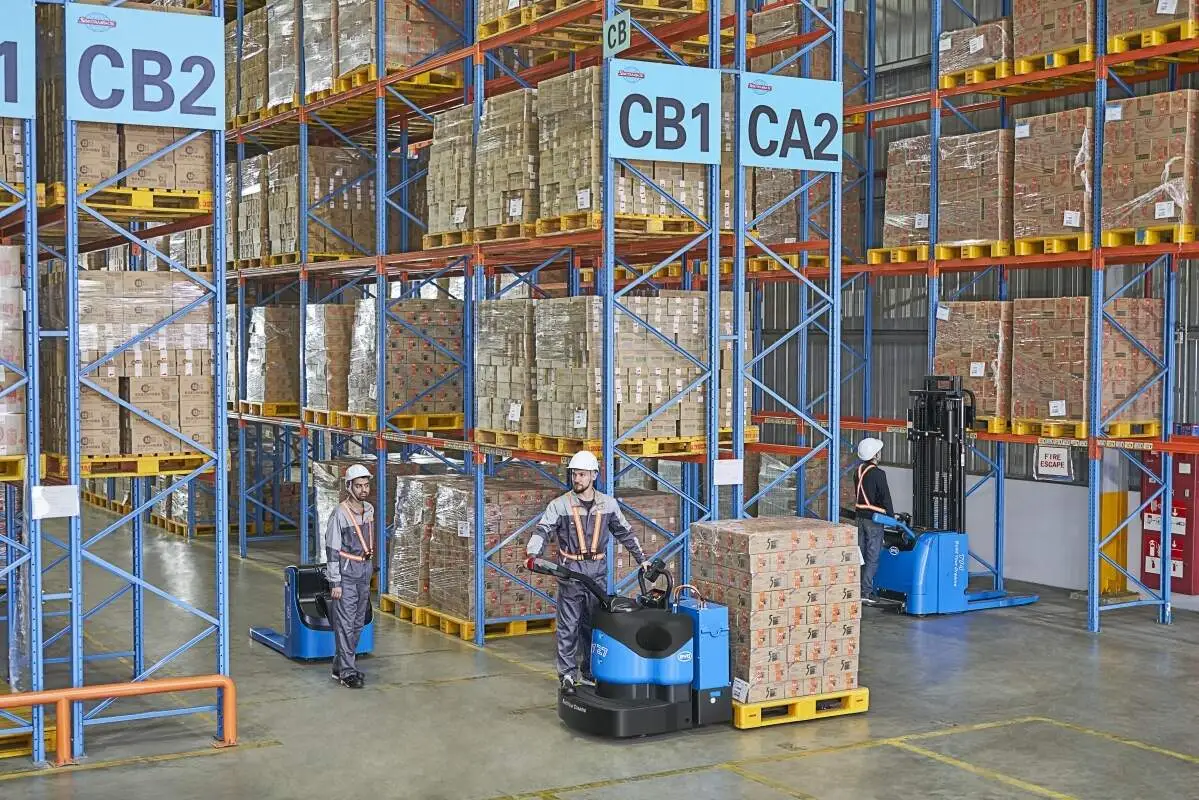
Zoom boom forklifts, also known as telehandler forklifts, are versatile equipment widely used in construction, warehousing, and agriculture for handling heavy loads across varying heights and distances. Understanding their load parameters and following proper usage protocols is critical to ensuring operational safety, equipment longevity, and efficient material handling.
Key load parameters form the foundation of safe operation for zoom boom forklifts. First is lift capacity, which refers to the maximum weight the machine can safely lift. This capacity is not fixed; it decreases as the boom extends upward or outward, since these movements shift the equipment’s center of gravity. Operators must always refer to the machine’s load chart to determine allowable weight for each specific configuration, as ignoring these limits can lead to tipping or equipment failure.
Second is the load center, defined as the distance from the forks’ face to the load’s center of gravity. A longer load center reduces the forklift’s safe lift capacity because it shifts weight further from the machine’s base, increasing instability. To maintain optimal balance, operators should position loads as close to the forks as possible, especially when handling irregularly shaped items.
Third is weight distribution. Unevenly distributed loads or improper placement can compromise the forklift’s stability. Operators must ensure loads are balanced across the forks and avoid carrying unbalanced items without proper securing mechanisms.
Following safe usage guidelines is equally important. Before each use, operators should conduct a thorough pre-operation inspection, checking tire pressure, hydraulic fluid levels, brake functionality, boom integrity, and control systems. Any signs of damage or malfunction must be addressed before operating the equipment.
All loads must be securely fastened to prevent shifting during lifting or movement. Appropriate straps, chains, or binders should be used, particularly when transporting items over uneven terrain or at elevated heights. Operators must also avoid exceeding the specified lift capacity for the current boom configuration, adjusting operations immediately if lifting conditions change.
Environmental conditions also play a role in safe operation. Uneven ground, slippery surfaces, or overhead obstacles require adjustments to speed and lifting practices. Sharp turns or sudden movements should be avoided when carrying heavy loads to maintain stability.
Finally, only trained and certified operators should operate zoom boom forklifts. Proper training covers load parameter understanding, equipment operation, safety protocols, and emergency procedures. Regular refresher courses help operators stay updated on best practices, ensuring consistent safety and efficiency in daily operations.
By adhering to these load parameter guidelines and usage protocols, operators can maximize the value of zoom boom forklifts while minimizing the risk of accidents, protecting both personnel and equipment across various industries.