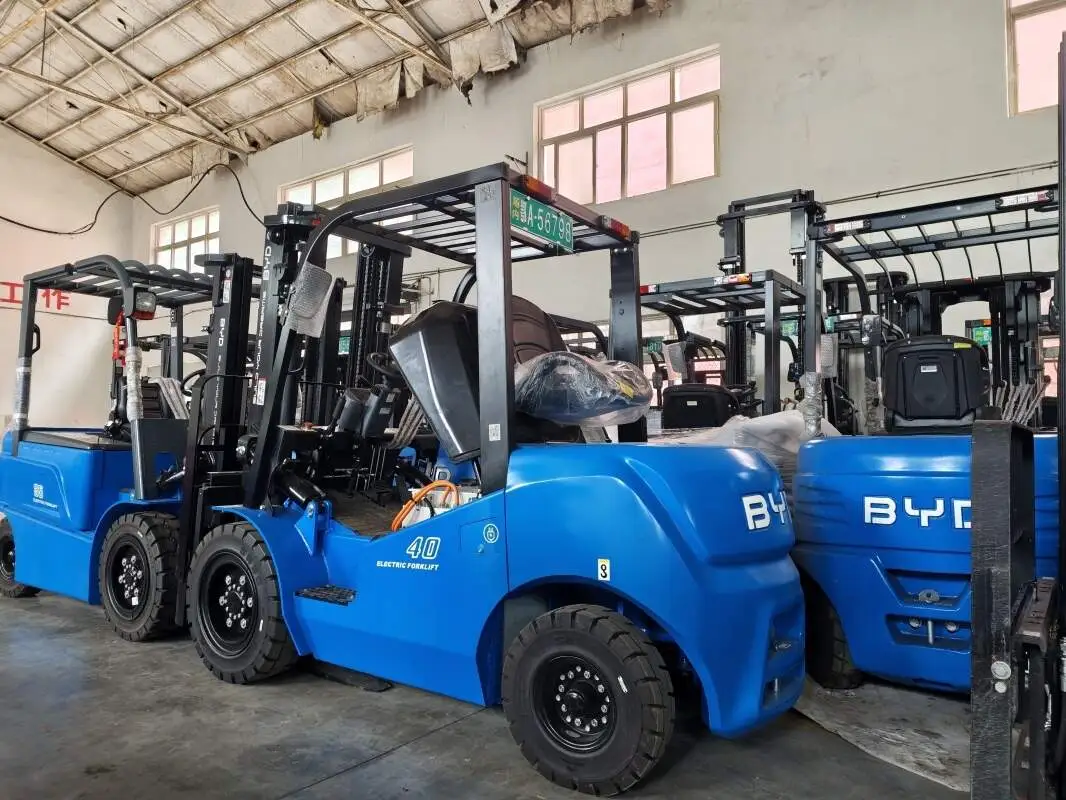
In modern warehousing and logistics operations, handling oversized cargo is an increasingly common task, and electric forklifts play a pivotal role in moving these bulky items efficiently. However, the unique challenges posed by oversized loads—such as irregular dimensions, uneven weight distribution, and shifted centers of gravity—can significantly compromise load stability, leading to safety hazards, cargo damage, and operational disruptions. Implementing robust load stability control measures is therefore critical to ensure safe and reliable electric forklift operations when managing oversized cargo.
Oversized cargo presents distinct stability risks that differ from standard loads. For one, the sheer size of these items often obstructs the operator’s forward and side visibility, making it harder to navigate tight spaces and anticipate obstacles. Additionally, oversized loads may have an uneven weight distribution, with heavy sections concentrated on one side or at the extremes of the cargo. This can cause the forklift’s center of gravity to shift unexpectedly during lifting, turning, or braking, increasing the risk of tipping. Factors like uneven warehouse flooring, sudden speed changes, and improper load securing further amplify these risks, underscoring the need for targeted stability control strategies.
The first step in load stability control is conducting a thorough pre-operation assessment of the oversized cargo and operating environment. Operators should carefully measure the cargo’s dimensions, weight, and identify its exact center of gravity before attempting to lift it. This information helps determine the appropriate forklift capacity and adjust the load’s placement on the forks to ensure it is centered and balanced. Additionally, inspecting the warehouse floor for uneven surfaces, debris, or slopes allows operators to plan a safe route that minimizes sudden movements and terrain-related stability issues.
Adjusting forklift settings to accommodate oversized cargo is another key measure. Operators should widen the fork spacing to match the cargo’s width, ensuring the load is evenly supported across both forks. When lifting, it’s essential to keep the load as low as possible during travel to maintain a lower center of gravity. Avoiding sudden acceleration, sharp turns, or abrupt braking is equally important; these actions can cause the load to shift or the forklift to tip. Operators should also use slow, deliberate movements, especially when navigating corners or narrow aisles, and communicate with spotters if visibility is severely limited.
Real-time monitoring and regular forklift maintenance are integral to sustaining load stability. Many modern electric forklifts are equipped with stability sensors that alert operators to potential tipping risks, such as excessive tilt or shifted load weight. Operators should stay vigilant, continuously checking the load’s position during movement and adjusting their actions accordingly. Routine maintenance of the forklift’s braking system, suspension, and fork alignment ensures the equipment operates at optimal performance, reducing the likelihood of mechanical failures that could compromise stability.
In conclusion, effective load stability control when handling oversized cargo with electric forklifts requires a combination of careful planning, proper equipment adjustment, safe operating practices, and ongoing monitoring. By implementing these strategies, operators can mitigate risks, protect personnel and cargo, and maintain efficient logistics operations. Prioritizing load stability not only enhances workplace safety but also reduces operational costs associated with cargo damage and equipment repairs, making it a critical aspect of responsible forklift operation in industrial settings.