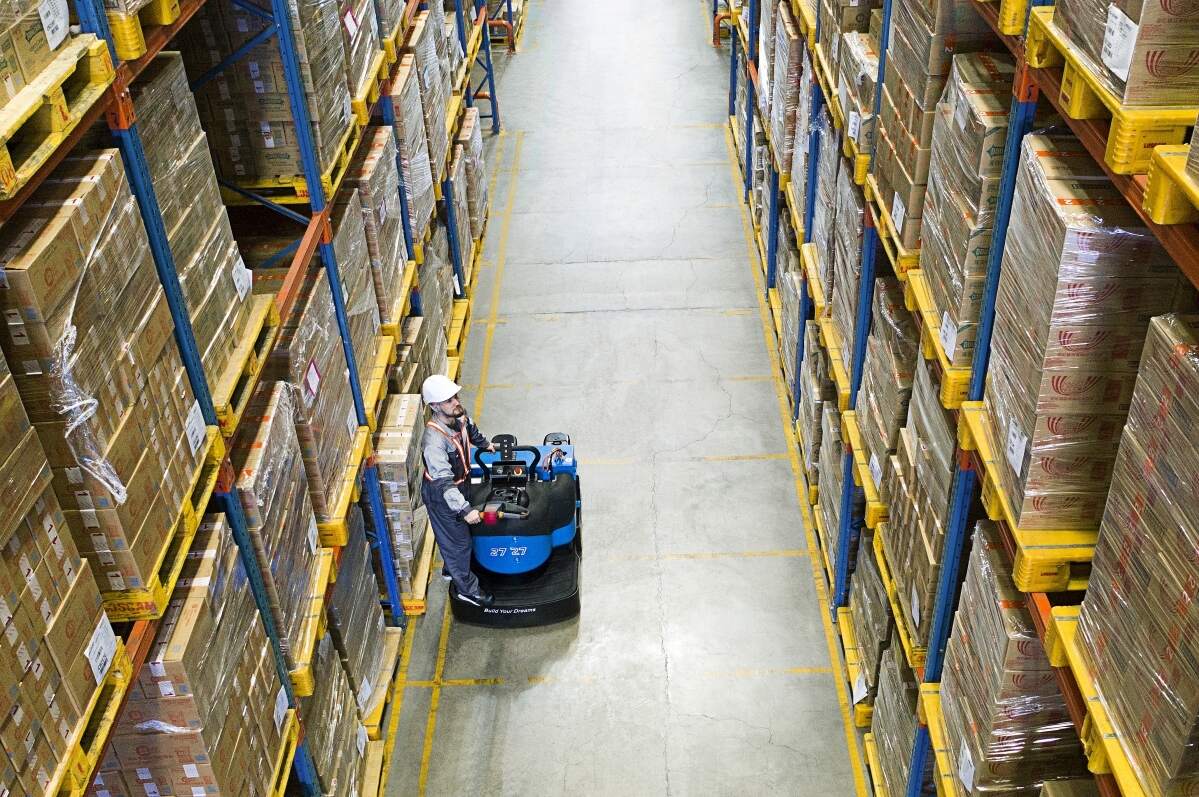
Loading dock ramps are essential components in material handling operations, designed to bridge the height gap between forklifts and delivery trucks, trailers, or elevated loading platforms. By creating a smooth, safe transition, these ramps help streamline loading and unloading processes, reduce manual labor, and minimize the risk of workplace accidents. Understanding the different types of loading dock ramps for forklifts and their ideal application scenarios is key to optimizing operational efficiency across various industrial settings.
Types of Loading Dock Ramps for Forklifts
#Fixed Loading Dock Ramps
Fixed loading dock ramps are permanently installed structures that integrate seamlessly with a facility’s loading dock infrastructure. Built to withstand heavy daily use, these ramps typically feature robust steel construction and can support high weight capacities, making them ideal for high-volume material handling operations. Their fixed design ensures consistent stability, eliminating the need for frequent adjustments or repositioning. Often equipped with non-slip surfaces and safety curbs, fixed ramps enhance forklift operator safety during loading and unloading. They are commonly customized to match the specific height of a facility’s docks and the average trailer heights used by the business.
#Portable Loading Dock Ramps
Portable loading dock ramps offer unmatched flexibility for businesses with changing operational needs. These mobile units are lightweight yet durable, designed to be easily moved and positioned using forklifts or manual equipment. Most portable ramps come with adjustable height mechanisms, allowing operators to accommodate varying trailer heights and ground conditions. They are particularly useful for sites without permanent loading docks, or for businesses that need temporary loading points during peak seasons or special projects. With features like foldable designs and non-slip surfaces, portable ramps provide a safe, efficient solution for on-the-go material handling tasks.
Application Scenarios
#Warehouses and Distribution Centers
In warehouses and distribution centers, where daily loading and unloading of goods are routine, fixed loading dock ramps are the go-to choice. They support continuous operations, ensuring forklifts can quickly move pallets between storage areas and delivery trucks. Portable ramps, on the other hand, serve as a supplementary solution for handling oversized vehicles, temporary loading zones, or when additional capacity is needed during peak inventory periods.
#Construction Sites
Construction sites often lack permanent loading infrastructure, making portable loading dock ramps an invaluable tool. These ramps enable forklifts to transport building materials, such as steel beams, concrete blocks, and prefabricated components, directly from delivery trucks to the job site. Their mobility allows operators to reposition the ramp as the project progresses, adapting to different work zones and vehicle heights.
#Freight Terminals
Freight terminals handle a wide range of vehicle sizes and types, from small delivery vans to large semi-trailers. Fixed ramps are used for regular, scheduled shipments, while portable ramps are deployed to accommodate irregular vehicle heights or temporary loading requirements. This combination ensures that terminals can efficiently manage diverse cargo loads without delays.
#Retail Distribution Hubs
Retail distribution hubs often experience seasonal fluctuations in shipping volumes. During peak periods, such as holiday seasons, portable loading dock ramps can be quickly deployed to create additional loading points, helping to manage increased demand and maintain timely deliveries to retail locations. Their ability to be stored when not in use also saves valuable space within the facility.
Choosing the right loading dock ramp for forklifts depends on factors such as operational volume, facility infrastructure, and specific material handling needs. Fixed ramps offer stability and durability for long-term, high-volume use, while portable ramps provide flexibility for temporary or changing operations. By selecting the appropriate type and deploying it in the right scenario, businesses can enhance efficiency, improve safety, and reduce operational costs in their material handling processes.