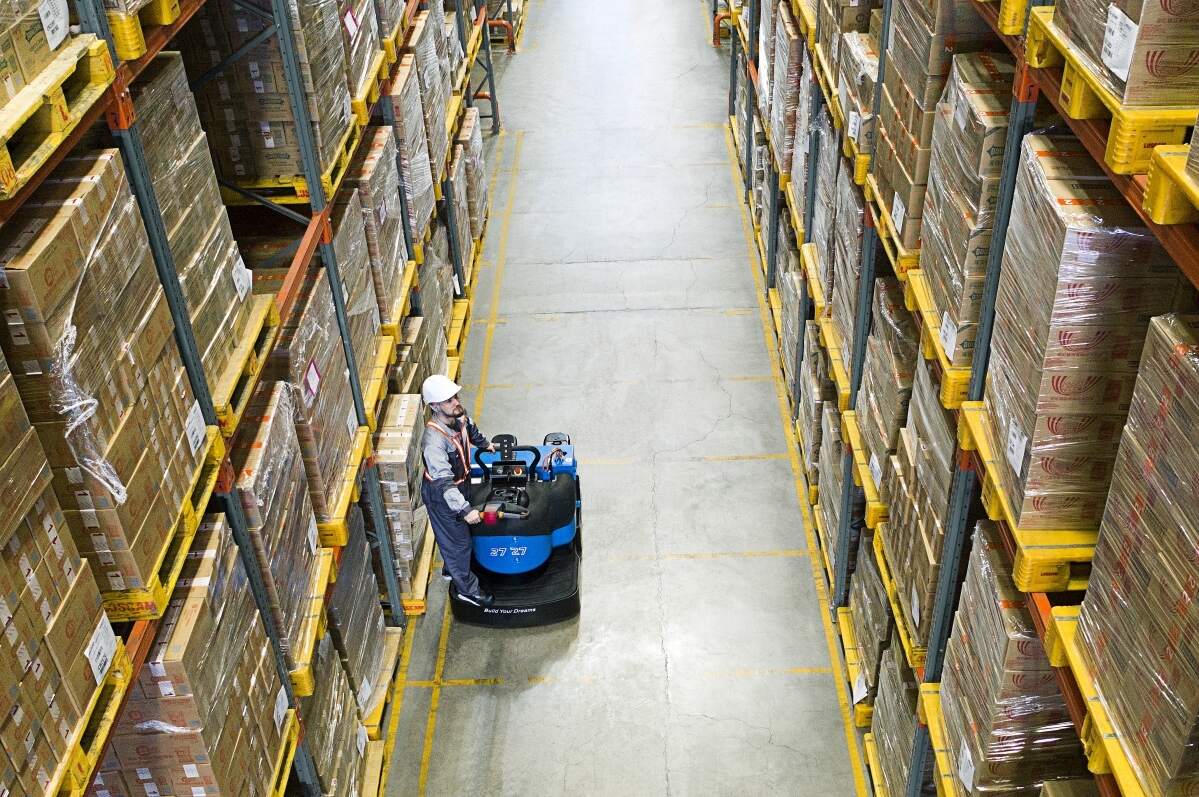
In today’s fast-paced warehouse environments, efficient material handling is key to maintaining smooth operations and meeting productivity goals. Stacker forklifts have become essential tools for lifting and stacking pallets, boxes, and other goods, making them a top consideration for businesses looking to upgrade their equipment. If you’re exploring stacker forklifts for sale, understanding the differences between available models is crucial to finding the best fit for your specific warehouse needs.
First, compact stacker forklifts are ideal for warehouses with narrow aisles and limited space. These models are designed to maneuver easily in tight quarters, making them perfect for small to medium-sized facilities where space optimization is a priority. Typically, compact stackers offer moderate lift heights, ranging from 2 to 4 meters, and can handle loads between 1 to 2 tons. Their lightweight construction also means they cause less wear on warehouse flooring, making them a cost-effective choice for daily light-duty tasks like restocking shelves and organizing inventory.
Next, heavy-duty stacker forklifts are built to tackle more demanding material handling jobs. For warehouses dealing with heavy pallets or large quantities of goods, these models provide higher load capacities, often ranging from 2 to 3 tons or more. They also offer greater lift heights, up to 6 meters or beyond, allowing for vertical storage optimization in high-bay warehouses. Heavy-duty stackers are equipped with robust frames and powerful motors, ensuring stability and durability even during prolonged use. However, they require more space to operate, so they’re best suited for warehouses with wide aisles and open floor plans.
When evaluating stacker forklifts for sale, the power source is another critical factor. Electric stacker forklifts are the most popular choice for indoor warehouses, as they produce zero emissions and operate quietly, contributing to a healthier and more peaceful work environment. Semi-electric models combine manual movement with electric lifting, balancing affordability and convenience for businesses with lighter workloads. Fully electric stackers, meanwhile, feature full motorized operation, reducing physical strain on operators and boosting efficiency for repetitive, high-volume tasks.
Operator comfort and safety should also be taken into account. Many modern stacker forklifts come with ergonomic controls, adjustable seating, and clear visibility features, which can minimize operator fatigue and lower the risk of workplace incidents. For warehouses with less experienced staff or high turnover, selecting a model with intuitive, easy-to-learn controls can reduce training time and enhance overall operational safety. Additionally, electric stackers generally have fewer moving parts than fuel-powered alternatives, leading to lower long-term maintenance costs and less downtime.
In conclusion, choosing the right stacker forklift requires a careful assessment of your warehouse’s unique needs, including available space, load requirements, lift height, and daily operational volume. By comparing different models based on these key factors, you can select a stacker forklift that aligns with your operational goals, improves material handling efficiency, and delivers long-term value. Whether you need a compact model for tight aisles or a heavy-duty option for high-bay storage, investing in the right equipment can significantly enhance your warehouse’s productivity and workflow.