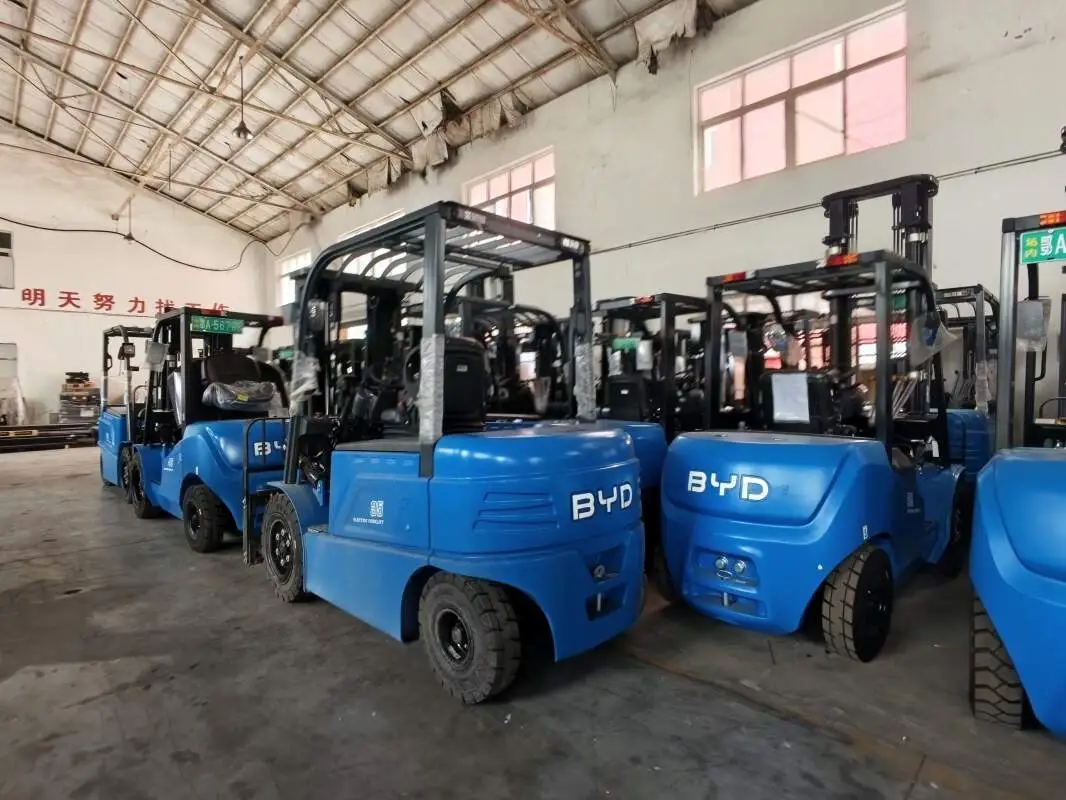
When managing industrial material handling operations, choosing the right forklift equipment supplier is a critical decision that directly impacts operational efficiency and cost-effectiveness. While national or international suppliers may offer a broad range of products, local suppliers of forklift equipment bring unique advantages that can streamline your daily operations and support long-term business goals.
One of the most significant benefits of partnering with local forklift equipment suppliers is the ability to access quick delivery and immediate inventory. For businesses facing unexpected equipment breakdowns or sudden spikes in material handling demands, waiting days or weeks for a replacement forklift or essential parts can lead to costly downtime. Local suppliers typically maintain a stock of commonly used forklift models, components, and accessories within the region, ensuring that you can get the equipment you need in a matter of hours or days. This rapid response capability minimizes operational disruptions and keeps your supply chain moving smoothly.
Local suppliers also offer personalized service tailored to the specific needs of your business and the local industrial landscape. Unlike large, distant suppliers that may treat every client with a one-size-fits-all approach, local vendors take the time to understand your daily operations, warehouse layout, and material handling challenges. They can provide expert recommendations on the most suitable forklift types, whether you need electric, gas-powered, or rough-terrain models, based on your facility’s size, load requirements, and environmental considerations. Additionally, local suppliers are familiar with regional safety regulations and compliance standards, helping you ensure that your forklift equipment meets all necessary legal requirements without unnecessary delays.
Another key advantage is the availability of on-site maintenance and repair services. Forklift equipment requires regular inspections, servicing, and occasional repairs to maintain optimal performance and safety. Local suppliers can dispatch trained technicians directly to your facility, eliminating the need to transport heavy equipment to a distant service center. This not only saves time but also reduces the risk of damage during transit. Many local suppliers also offer preventive maintenance plans customized to your equipment usage schedule, helping you identify potential issues before they escalate into costly breakdowns. This proactive approach extends the lifespan of your forklift equipment and reduces long-term maintenance costs.
Working with local forklift equipment suppliers also fosters long-term, collaborative relationships. As your business grows and evolves, your material handling needs may change, and a local supplier can adapt alongside you. They can provide ongoing support, from upgrading your existing fleet to expanding your equipment inventory as your operations scale. Additionally, local suppliers often prioritize customer satisfaction to maintain their reputation within the community, meaning you can expect reliable communication and dedicated support whenever you need it.
In conclusion, while there are multiple options for sourcing forklift equipment, local suppliers offer a range of benefits that make them a valuable partner for businesses of all sizes. From quick delivery and personalized service to on-site maintenance and compliance support, choosing a local supplier can enhance your operational efficiency, reduce costs, and ensure that your material handling operations run smoothly. When evaluating potential suppliers, consider their local presence, service offerings, and understanding of your industry to find the best fit for your business needs.