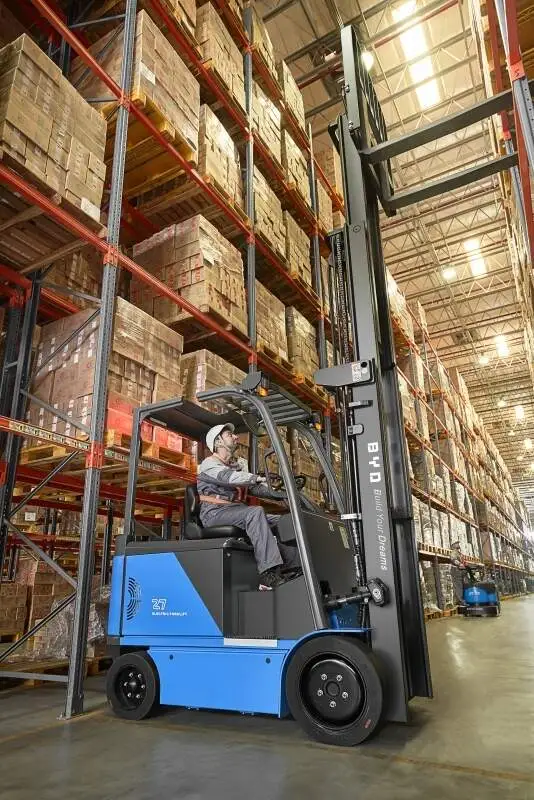
Maintaining a 1 ton used forklift requires careful attention to its components, as wear and tear over time can impact performance and safety. Selecting the right replacement parts is a critical step in ensuring your forklift remains operational, efficient, and compliant with industry standards. Whether you're addressing routine maintenance or unexpected repairs, understanding the key parts and how to choose them can save time, reduce costs, and extend the lifespan of your equipment.
Several core components often need replacement in 1 ton used forklifts. Hydraulic system parts, including hoses, seals, and pumps, are vital for lifting and lowering loads. Leaks or reduced pressure in these parts can hinder productivity, so regular inspection and timely replacement are essential. Tires are another high-wear component; worn tires can compromise stability and maneuverability, especially in busy warehouse or outdoor settings. Brake systems, such as pads and calipers, are non-negotiable for safety—faulty brakes pose significant risks to operators and surrounding personnel. Additionally, electrical parts like batteries, starters, and wiring may degrade over time, affecting the forklift's ability to start and operate reliably.
When choosing replacement parts for your 1 ton used forklift, compatibility is the first priority. Parts must match the forklift’s specific make, model, and year to ensure proper fit and function. Opting for parts that meet or exceed original equipment specifications can help maintain performance without causing additional strain on other components. Quality is another key factor; while cost-effective options may seem appealing, low-quality parts often fail prematurely, leading to more frequent repairs and higher long-term costs. It’s also important to verify that parts comply with relevant safety and industry standards, as non-compliant components can lead to safety hazards and regulatory issues.
Proactive maintenance can reduce the need for frequent part replacements. Conducting regular inspections of hydraulic systems, brakes, tires, and electrical components allows you to identify potential issues early before they escalate into major problems. Keeping detailed records of part replacements and maintenance schedules helps track wear patterns and plan future repairs. When replacing parts, follow manufacturer guidelines for installation to ensure proper functionality. If you’re unsure about a part or installation process, consulting with a qualified technician can help avoid mistakes and ensure the job is done correctly.
Investing in the right replacement parts and following proper maintenance practices is essential for keeping your 1 ton used forklift running smoothly. By understanding the key components, prioritizing compatibility and quality, and staying proactive with inspections, you can maximize the lifespan of your equipment, minimize downtime, and ensure a safe working environment. Whether you’re managing a small warehouse or a large industrial facility, taking care of your forklift’s replacement needs is a smart investment in operational efficiency and safety.