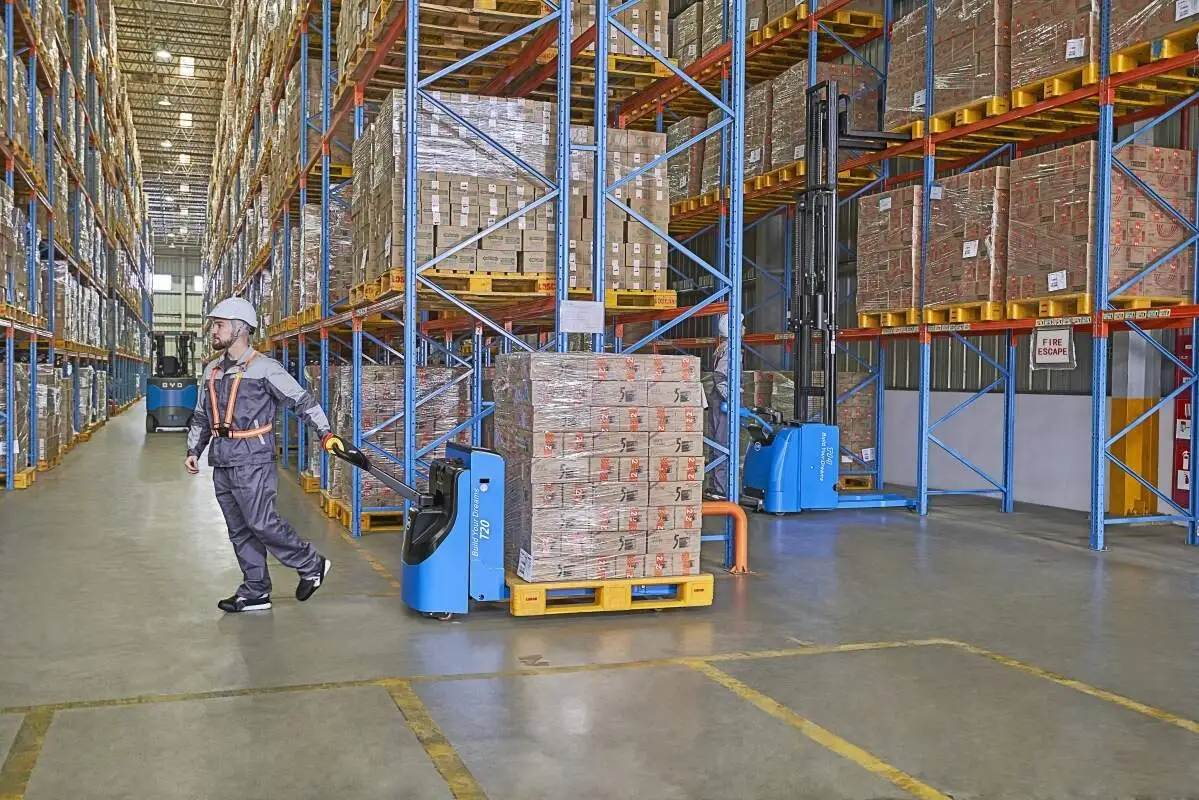
electric forklifts have become a staple in modern warehouses and distribution centers, offering eco-friendly alternatives to traditional fuel-powered models. However, ongoing operating costs—including energy, maintenance, and downtime—can add up over time, impacting a business’s bottom line. Implementing long-term investment strategies is key to mitigating these expenses while maintaining operational efficiency and sustainability.
One of the most impactful long-term investments is establishing a consistent preventive maintenance schedule. Unlike reactive repairs that often come with high emergency costs and unplanned downtime, preventive maintenance focuses on routine inspections and minor fixes to address issues before they escalate. For electric forklifts, this includes regular battery health checks, tire pressure monitoring, hydraulic system inspections, and calibration of control systems. By investing in scheduled maintenance, businesses can extend the lifespan of their forklifts, reduce the risk of costly breakdowns, and ensure optimal performance year after year. Over time, the savings from avoided emergency repairs and reduced downtime far outweigh the initial investment in maintenance services.
Energy costs constitute a significant portion of electric forklift operating expenses, making energy efficiency upgrades a critical long-term strategy. Investing in smart charging systems, for example, allows businesses to schedule charging during off-peak hours when electricity rates are lower, cutting down on energy bills significantly. Additionally, upgrading to high-capacity, long-lasting batteries can reduce the frequency of charging cycles and extend battery lifespan, reducing replacement costs over time. Warehouse layout optimization is another cost-saving measure: rearranging storage areas to minimize travel distances for forklifts reduces energy consumption and wear on components, further lowering operational costs. These upgrades not only reduce immediate energy expenses but also contribute to a more sustainable operation, aligning with environmental goals while boosting financial savings.
Maximizing the lifecycle value of electric forklifts is essential for long-term cost reduction. Instead of waiting until a forklift is completely obsolete or prone to frequent breakdowns, businesses should conduct regular lifecycle assessments to determine the optimal time for replacement or upgrade. For older forklifts, investing in targeted upgrades—such as replacing worn-out components or updating control systems—can extend their useful life at a lower cost than purchasing a new unit. When it comes time to replace a forklift, exploring options like certified pre-owned models or reselling still-functional units can offset the cost of new equipment. By taking a proactive approach to lifecycle management, businesses can avoid unnecessary capital expenditures and ensure their forklift fleet remains efficient and cost-effective.
Investing in comprehensive staff training is often overlooked but plays a vital role in reducing long-term operating costs. Properly trained operators are more likely to use electric forklifts efficiently, following best practices for energy conservation, battery care, and safe operation. This reduces the risk of accidental damage to forklifts, which can lead to costly repairs and downtime. Training programs should cover topics such as correct charging procedures, how to identify early signs of mechanical issues, and efficient driving techniques to minimize energy use. By equipping staff with the knowledge and skills to operate forklifts optimally, businesses can reduce operational waste, extend equipment lifespan, and lower overall operating costs.
In conclusion, reducing electric forklift operating costs requires a long-term, strategic approach that combines preventive maintenance, energy efficiency upgrades, lifecycle optimization, and staff training. Each of these investments contributes to lower expenses, improved operational efficiency, and a more sustainable fleet. While these strategies require an initial financial commitment, the long-term savings and benefits far outweigh the upfront costs, making them essential for businesses looking to maximize their return on investment in electric forklift equipment.