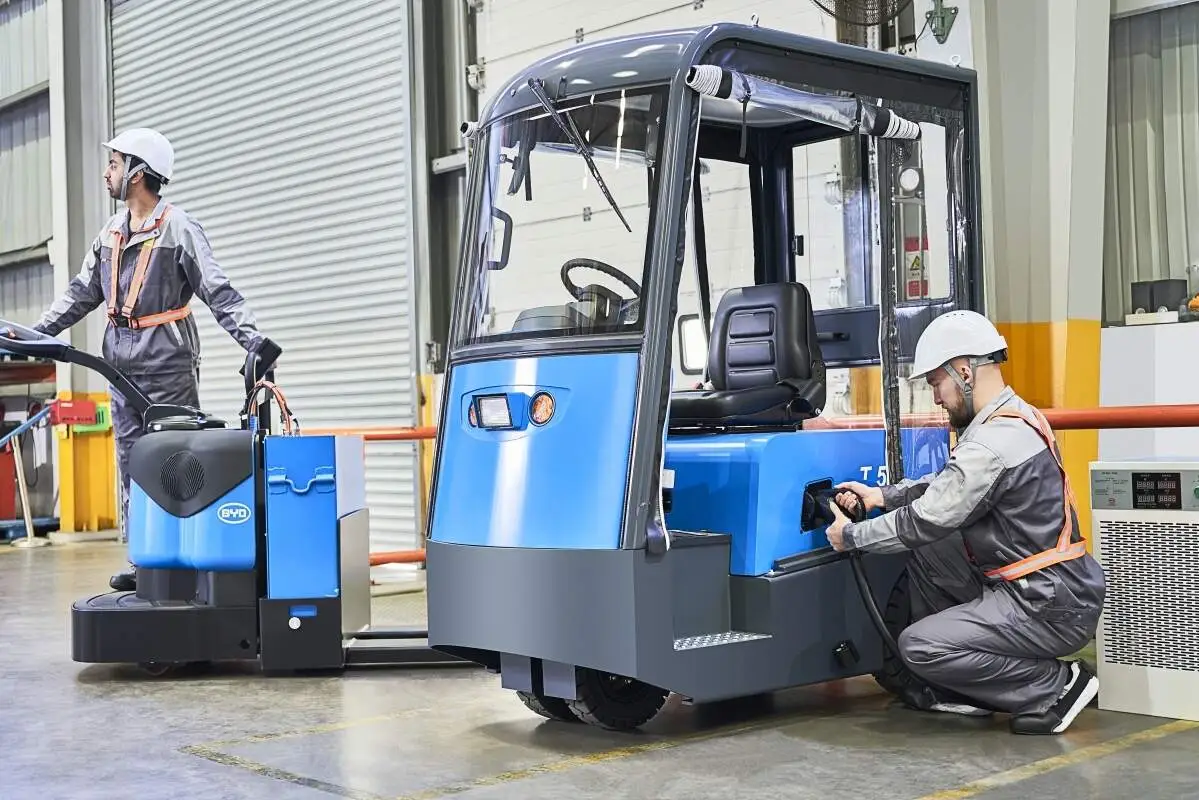
The ignition switch and electrical components are critical to the reliable operation of an electric forklift, serving as the gateway to powering the vehicle and controlling key functions. Neglecting their maintenance can lead to unexpected breakdowns, safety hazards, and increased operational costs. Below is a comprehensive guide to maintaining these essential parts effectively.
Daily Visual Inspections
Before each shift, conduct a quick visual check of the ignition switch and surrounding electrical parts. Look for visible damage such as cracks in the switch housing, loose or broken buttons, or signs of corrosion on terminals. Inspect wiring harnesses for fraying, cuts, or exposed copper, which can cause short circuits. Pay attention to any unusual sounds or resistance when turning the ignition switch, as these may indicate early signs of wear that require further investigation.
Regular Cleaning Practices
Forklifts often operate in dusty, dirty environments where debris can accumulate on electrical components, interfering with their performance. For the ignition switch, use a dry, lint-free cloth to wipe away surface dust and debris. Avoid using damp cloths or harsh cleaning agents, as moisture can seep into the switch and cause electrical malfunctions. For other electrical parts like relays and fuse boxes, use compressed air at low pressure to blow away trapped dust, taking care not to dislodge any wiring or connectors during the process.
Wear Monitoring and Timely Replacement
Over time, ignition switches can experience wear from repeated use, leading to issues like intermittent power loss or difficulty starting the forklift. If you notice that the switch requires extra force to turn, or if the engine fails to start consistently, it may be time to replace the ignition switch with a compatible part that meets the forklift’s specifications. Similarly, monitor electrical components like fuses and relays; if a fuse blows repeatedly, investigate potential root causes such as an overloaded circuit before replacing it. Always use replacement parts that match the forklift’s specified electrical ratings to avoid further damage.
Electrical Connection Checks
Loose or corroded electrical connections are a common cause of forklift electrical issues. Periodically inspect all connectors associated with the ignition switch and key electrical components. Check for signs of corrosion, which appears as a green or white powdery substance on terminals. If corrosion is present, gently clean the terminals with a fine-grit sandpaper or a wire brush, then reattach the connector securely. Ensure that all bolts and screws holding connections in place are tightened to appropriate torque levels, avoiding over-tightening to prevent terminal damage.
Professional Preventive Maintenance
While daily and weekly maintenance can address minor issues, scheduling regular professional inspections is crucial for long-term reliability. A qualified technician can perform detailed tests, such as using a multimeter to check voltage levels across the ignition circuit, inspecting insulation integrity, and identifying hidden wear that may not be visible to the untrained eye. Follow a maintenance schedule tailored to your forklift’s usage frequency and operating environment to catch potential problems before they escalate into costly repairs.
By following these maintenance practices, you can extend the lifespan of your forklift’s ignition switch and electrical parts, reduce unplanned downtime, and ensure safe operation in the workplace. Consistent care not only protects your investment but also minimizes the risk of electrical-related accidents, keeping both operators and equipment secure.