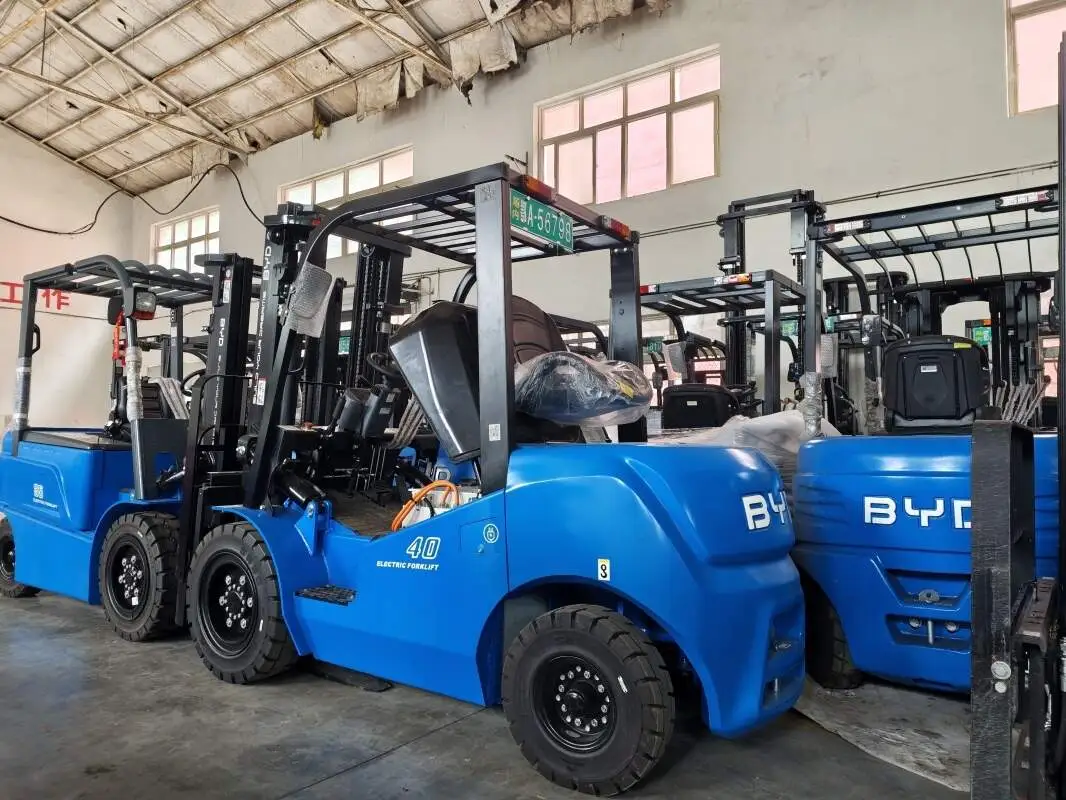
Factory environments present unique challenges for electronic devices, including mobile phones and their chargers. Exposed to moisture from cleaning processes, spills, or high humidity, as well as dust, debris, and constant vibration from forklift operations, standard phone chargers quickly fail or pose safety risks. Choosing the right waterproof forklift phone charger is essential to keep communication devices powered reliably, supporting operational efficiency and worker safety.
1. Understand Factory Environment Challenges
Before selecting a charger, assess the specific conditions in your factory. For facilities with frequent washdowns or outdoor loading docks, exposure to water is a primary concern. Dust and fine particles can also infiltrate unprotected chargers, leading to short circuits. Additionally, forklifts generate consistent vibration and occasional impacts, which can damage fragile components. Your charger must address all these stressors to maintain performance over time.
2. Prioritize IP Protection Ratings
IP (Ingress Protection) ratings are the most critical factor when evaluating waterproof chargers. The first number indicates dust resistance, while the second covers water protection. For most factory settings, an IP65 rating is a minimum—this means complete protection against dust and low-pressure water jets from any direction. For facilities with heavy washdowns or prolonged exposure to moisture, an IP67 rating offers immersion protection up to 1 meter for 30 minutes, providing enhanced durability. Always verify the IP rating matches your factory’s specific moisture and dust levels.
3. Evaluate Durability for Industrial Use
Beyond waterproofing, the charger’s build quality must withstand forklift operation stresses. Look for chargers constructed with robust materials like reinforced plastic or metal casings that resist impacts and scratches. The charging cable should be thick, flexible, and equipped with strain reliefs to prevent fraying from constant movement. Additionally, consider chargers designed to operate in a wide temperature range, as factories often experience extreme heat or cold that can affect battery life and charger performance.
4. Ensure Device Compatibility
A waterproof charger is only useful if it works with your team’s mobile devices. Check that it supports common charging standards, such as USB-A or USB-C, to accommodate different phone models. Some chargers offer multiple ports, allowing multiple devices to charge simultaneously, which can be beneficial for teams sharing equipment. It’s also important to confirm the charger provides sufficient power output to charge devices efficiently without overloading the forklift’s electrical system.
5. Check Installation Convenience
The charger should be easy to install on a forklift without interfering with operation. Look for mounting options that secure the charger in a stable position, such as bracket mounts that attach to the forklift’s dashboard or console. The charging cable should be long enough to reach the device while the forklift is in use, but not so long that it becomes a tripping hazard or gets caught in machinery. Some chargers also include magnetic or locking connectors to keep the device securely attached during movement.
6. Verify Safety Certifications
Safety is non-negotiable in industrial settings. Ensure the charger meets relevant safety standards for electrical equipment used in factories. Certifications indicate that the charger has been tested to withstand industrial conditions and reduces risks like overheating, short circuits, or electrical shocks. This not only protects workers but also prevents damage to the forklift’s electrical system and mobile devices.
By carefully evaluating these factors—IP rating, durability, compatibility, installation, and safety—you can select a waterproof forklift phone charger that meets your factory’s specific needs. A reliable charger will keep communication devices powered, reduce downtime from device failures, and contribute to a safer, more efficient workplace.