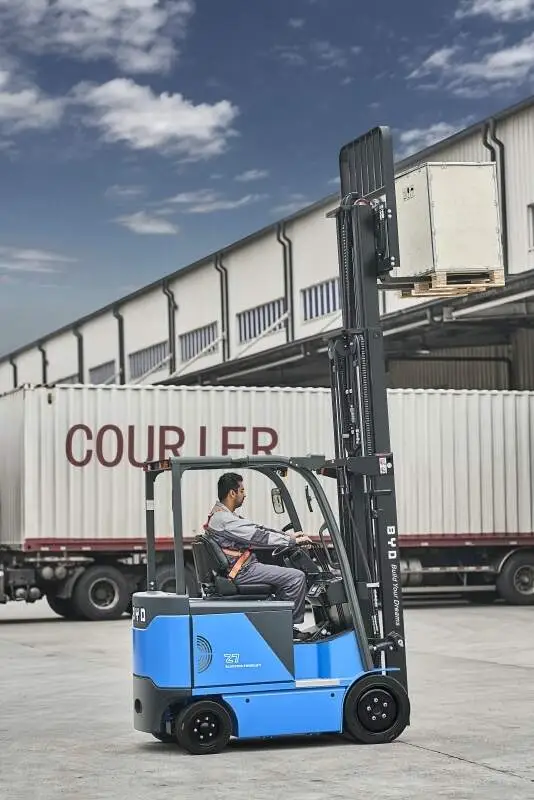
Lithium electric forklifts are widely used in modern warehousing and logistics for their efficiency and low emissions. However, regular maintenance of their power systems is critical to sustaining performance, extending battery lifespan, and minimizing unexpected downtime. A tailored maintenance schedule ensures consistent operation and reduces long-term costs.
Daily Pre-Operation Checks
Before each shift, operators should conduct a quick visual inspection of the forklift’s power system. Examine the battery enclosure for cracks, dents or bulges that could compromise internal components. Check electrical connections and terminals for tightness, corrosion or loose wires—these issues can cause voltage drops and inefficient power delivery. Verify the battery’s state of charge via the onboard display to ensure it has enough power for scheduled tasks. Inspect the charging port for debris or damage, and ensure no liquid spills are present around the battery area to avoid short circuits.
Monthly Preventative Inspections
Each month, perform a detailed inspection of the lithium power system. Clean the battery surface and surrounding components with a dry, lint-free cloth to remove dust that could interfere with heat dissipation. Inspect battery cables for fraying, wear or insulation damage; replace damaged cables promptly to prevent electrical hazards. Monitor a full charging cycle to ensure the battery reaches full charge within the recommended time and the charger does not overheat. Check the thermal management system, ensuring fans and cooling vents are unobstructed to maintain optimal battery temperature, as extreme temperatures accelerate lithium cell degradation.
Quarterly Performance Evaluations
Every three months, conduct deeper performance checks to assess battery health. Use a professional testing tool to measure cell voltage and total capacity, comparing results to manufacturer specifications. Significant deviations may indicate cell degradation requiring further evaluation. Inspect the internal cooling system for leaks or blockages. If available, update the forklift’s power management firmware to optimize performance and safety protocols.
Annual Professional Servicing
Once a year, engage a qualified technician for comprehensive servicing. The technician will disassemble components to inspect internal cell integrity for swelling or damage. They will calibrate the battery management system to ensure accurate charge monitoring and cell balancing. Additionally, the technician will inspect all electrical components for wear, replacing deteriorated parts to prevent future failures and maintain peak efficiency.
Following this structured schedule is essential for maximizing battery lifespan, ensuring operational reliability, and reducing maintenance costs. Combining daily checks, monthly actions, quarterly evaluations and annual servicing keeps lithium electric forklifts running efficiently, protecting businesses’ material handling investments.