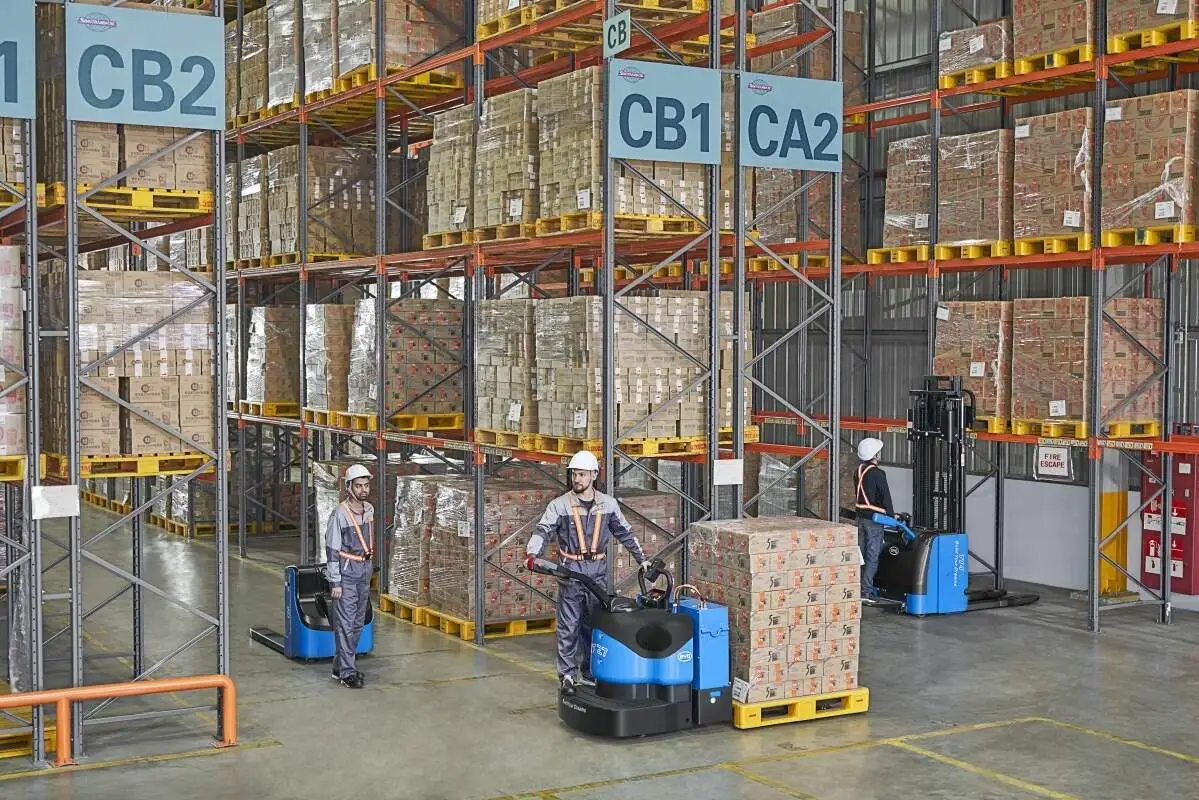
Lithium-ion batteries have become a staple in modern material handling operations, offering higher energy density, faster charging, and longer cycle life compared to traditional alternatives. However, neglecting proper maintenance can shorten their lifespan, increase repair and replacement costs, and elevate overall forklift running expenses. By implementing targeted care practices, you can optimize battery performance, extend its service life, and keep operational costs in check.
1. Regular Visual Inspections and Cleaning
Performing routine visual checks is the first line of defense against avoidable battery issues. Inspect the battery casing for cracks, dents, or signs of physical damage that could compromise internal components. Examine the terminals and wiring connections for corrosion, loose fittings, or fraying, as these can lead to inefficient power transfer and potential safety hazards.
In addition, keep the battery surface clean from dust, debris, and spilled liquids. Use a soft, dry cloth to wipe away surface grime, and for more stubborn residue, a mild, non-corrosive cleaning solution can be applied. Avoid using high-pressure water, as it may seep into sensitive electronic parts and cause short circuits. Regular cleaning prevents the buildup of conductive materials that can drain battery power prematurely.
2. Optimized Charging Practices
Improper charging is one of the leading causes of lithium-ion battery degradation. To maximize battery life, follow manufacturer-recommended charging guidelines strictly. Avoid overcharging, as this can generate excess heat and accelerate cell aging. Most modern lithium-ion forklift batteries are equipped with smart charging systems that automatically stop charging once full, but it’s still important to monitor the process to ensure the system is functioning correctly.
Equally crucial is avoiding deep discharge cycles. Lithium-ion batteries perform best when kept within a charge range of 20% to 80%. Running the battery down to empty regularly puts undue stress on the cells and reduces their overall cycle life. Implement a schedule that charges the battery when it reaches the 20% threshold, rather than waiting until it’s fully depleted.
3. Temperature Control
Lithium-ion batteries are sensitive to extreme temperatures, which can significantly impact performance and lifespan. Operating or storing the battery in environments that are too hot (above 40°C) can cause thermal runaway, cell damage, and reduced capacity. Conversely, cold temperatures (below 0°C) can slow down chemical reactions, leading to temporary loss of power and potential long-term damage.
Maintain a controlled environment for your forklift fleet, ensuring storage and operating areas are well-ventilated and kept within the recommended temperature range of 10°C to 30°C. If operating in extreme conditions is unavoidable, allow the battery to acclimate to room temperature before charging or using it to minimize stress.
4. Strategic Load Management
Overloading your forklift forces the battery to work harder, draining power more quickly and increasing wear on internal components. Always adhere to the forklift’s rated load capacity, and avoid sudden acceleration, harsh braking, or sharp turns that can cause unnecessary power spikes. Smooth, steady operation not only reduces battery strain but also improves overall forklift safety and efficiency.
Additionally, consider optimizing your workflow to minimize idle time with the battery powered on. Turning off the forklift when not in use for extended periods prevents unnecessary power drain and helps preserve battery life.
5. Professional Servicing and Calibration
While routine maintenance can be handled in-house, scheduling regular professional servicing is essential for long-term battery health. Certified technicians can conduct comprehensive diagnostic tests to identify potential issues before they escalate, such as cell imbalance or declining capacity. They can also calibrate the battery management system (BMS) to ensure accurate charge monitoring and performance optimization.
Professional servicing may include internal cleaning, terminal tightening, and software updates for the BMS. Investing in periodic professional checks can prevent costly breakdowns and extend the battery’s service life, ultimately reducing long-term running costs.
By following these maintenance suggestions, you can ensure your lithium-ion forklift batteries operate at peak efficiency, last longer, and keep your material handling operations cost-effective. Proactive care not only lowers immediate repair and replacement expenses but also contributes to a more sustainable and efficient workplace.