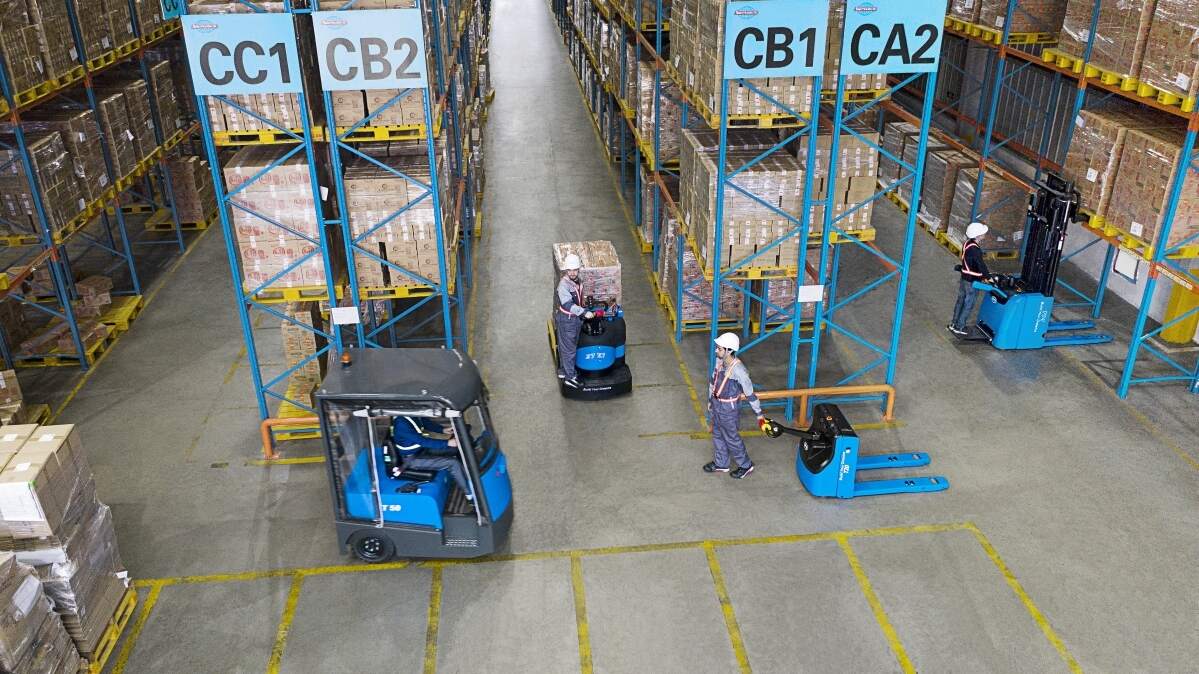
When integrating an attachment with a forklift, verifying compatibility before installation is critical to ensuring operational safety, equipment longevity, and optimal performance. Rushing into installation without proper checks can lead to costly damage, increased downtime, and safety hazards for operators. A structured pre-installation checklist serves as a reliable guide to address potential compatibility gaps proactively.
Start by cross-referencing the forklift’s technical specifications with the attachment’s requirements. Begin with load capacity: confirm the forklift’s rated lifting capacity exceeds the combined weight of the attachment and the maximum load it will handle. This prevents overloading, which can strain the forklift’s frame, hydraulics, and lifting mechanisms. Next, examine the attachment’s mounting dimensions against the forklift’s designated mounting points. Even minor discrepancies can lead to unstable attachment fit, risking detachment during operation.
Hydraulic system compatibility is another essential checkpoint. Most forklift attachments rely on the forklift’s hydraulic system for power, so verify that the system’s pressure and flow rates align with the attachment’s operational needs. Insufficient hydraulic pressure can render the attachment ineffective, while excessive pressure may damage seals, hoses, or internal components. Additionally, check the availability of hydraulic connections and ensure they match the attachment’s fitting types to avoid leaks or installation delays.
Assess the forklift’s structural integrity before proceeding. Inspect the mounting area for signs of wear, corrosion, or cracks, as compromised structural components may not support the attachment’s weight or operational forces. If any damage is detected, address it before installation to prevent further deterioration. Also, evaluate the forklift’s balance: some attachments can alter the vehicle’s center of gravity, so confirm the forklift’s stability remains within safe limits when the attachment is fully extended and loaded.
Operational space and visibility are often overlooked but critical factors. Evaluate whether the attachment will obstruct the operator’s line of sight, especially when navigating tight spaces or lifting loads. Measure the forklift’s turning radius with the attachment installed to ensure it can maneuver safely in the intended work environment. Additionally, check for clearance issues with overhead structures, racking systems, or other equipment in the workplace to avoid collisions during operation.
Finally, confirm compliance with industry safety standards and regulations. Ensure both the forklift and attachment meet relevant safety requirements, and that the installation process follows manufacturer guidelines. Document all checks and any adjustments made, as this record can serve as a reference for future maintenance and inspections. Taking the time to complete this checklist not only safeguards equipment and personnel but also ensures the forklift-attachment combination operates efficiently for years to come.