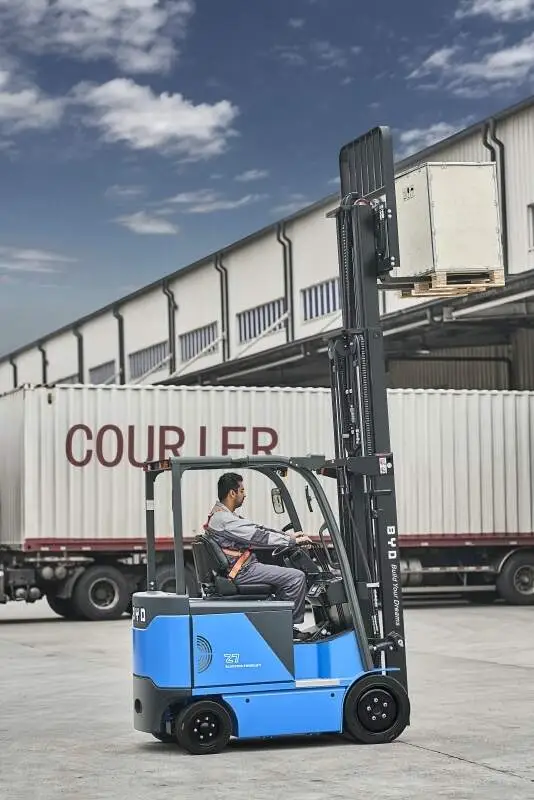
36V industrial forklift batteries are the backbone of material handling operations, powering heavy-duty tasks across warehouses, manufacturing facilities, and distribution centers. Proper maintenance not only extends their service life but also ensures consistent performance, reduces operational costs, and enhances workplace safety. Below are key maintenance practices to keep your 36V forklift batteries in optimal condition.
Daily Visual Inspections
Start with daily visual inspections to catch potential issues early. Before each use, examine the battery’s exterior for signs of damage, such as cracked casings, bulging sides, or leaking electrolyte. Check terminal connections for looseness, corrosion, or frayed cables—loose terminals can cause poor power delivery, while corrosion disrupts electrical flow. For flooded lead-acid batteries, verify that electrolyte levels are within the recommended range (typically above the plates but below the filler neck). If levels are low, add distilled water only; tap water contains minerals that can damage battery cells.
Proper Charging Practices
Incorrect charging is one of the leading causes of premature battery failure. Follow these charging guidelines: Always use a charger specifically designed for 36V forklift batteries, as mismatched chargers can overcharge or undercharge cells. Avoid charging the battery immediately after heavy use; allow it to cool down for 15-30 minutes to prevent overheating. Charge the battery in a well-ventilated area to disperse hydrogen gas produced during charging, reducing fire risks. Do not leave the battery on a charger for extended periods once it’s fully charged—overcharging can shorten lifespan by damaging internal components. Conversely, avoid frequent deep discharges; recharge the battery when it reaches 20-30% capacity to maintain cell health.
Regular Cleaning and Corrosion Prevention
Corrosion on battery terminals and cables can hinder electrical conductivity and lead to voltage drops. Clean corrosion using a mixture of baking soda and water: apply the solution to corroded areas with a brush, gently scrub, then rinse with clean water and dry thoroughly. Avoid using high-pressure water, as it can force water into the battery casing. After cleaning, apply a thin layer of petroleum jelly or anti-corrosion spray to terminals to prevent future buildup. Keep the entire battery surface free of dirt, debris, and spilled electrolyte, as these can cause short circuits or accelerate corrosion.
Correct Storage Protocols
If your 36V forklift battery will be out of service for more than two weeks, follow proper storage procedures to preserve its condition. First, fully charge the battery before storing it to prevent sulfation, a process where lead sulfate crystals form on plates and reduce capacity. Store the battery in a cool, dry, well-ventilated area, away from direct sunlight, extreme temperatures, and corrosive materials. Avoid storing batteries on concrete floors, as concrete can conduct moisture and cause self-discharge; use a wooden or plastic pallet instead. Check the battery’s charge level every four weeks and recharge it to full capacity if it drops below 70%.
Performance Monitoring and Issue Resolution
Keep a log of the battery’s performance, including charging times, runtime, and any unusual behavior such as slow cranking or reduced lifting power. A sudden drop in runtime may indicate a failing cell or charging system issue. If you notice persistent problems, avoid attempting to disassemble the battery yourself—contact a qualified technician to diagnose and repair the issue. Regularly test battery voltage and specific gravity (for flooded batteries) to monitor cell health and identify underperforming cells early.
By implementing these maintenance tips, you can significantly extend the lifespan of your 36V industrial forklift batteries, reduce unplanned downtime, and ensure your material handling operations run smoothly. Consistent care not only protects your investment but also contributes to a safer and more efficient workplace.