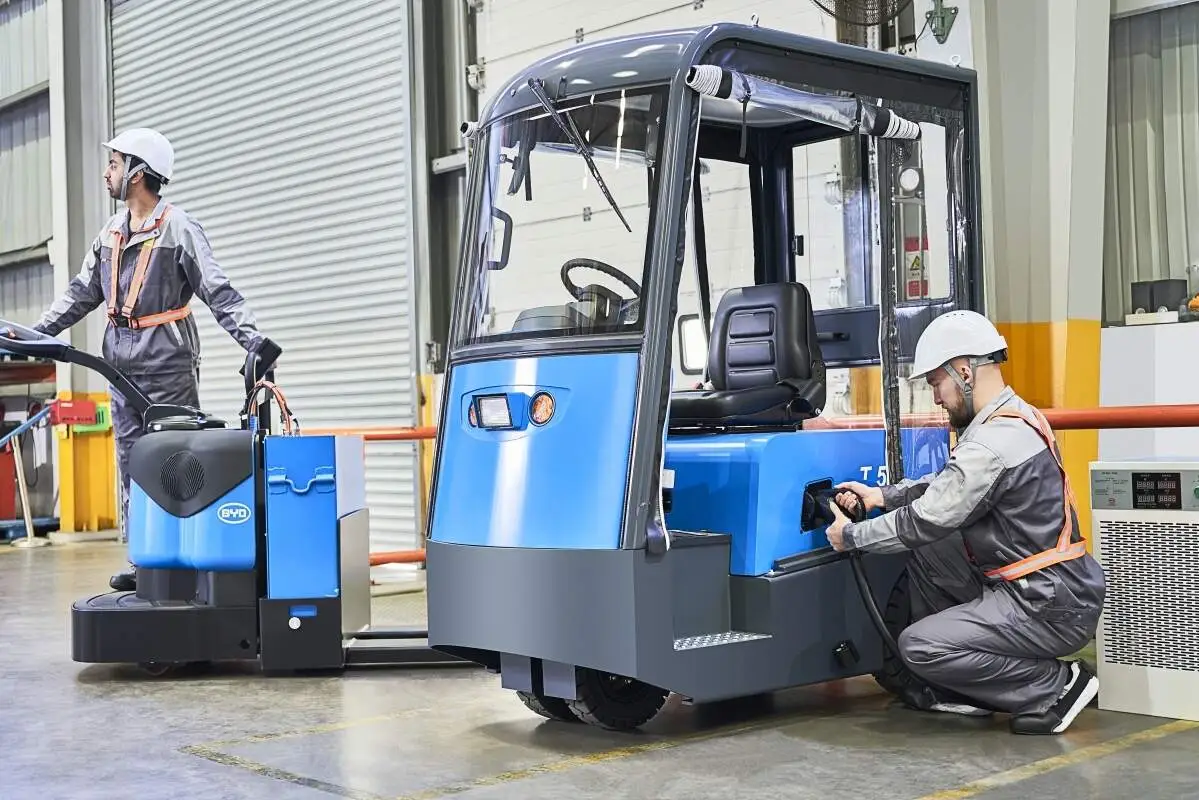
Container handling forklift equipment plays a critical role in logistics, port operations, and warehouse management, streamlining the movement of heavy container units. Understanding the price landscape for these machines is essential for businesses looking to invest in or upgrade their material handling fleet. This guide provides a practical price reference, focusing on key factors that influence costs and typical price ranges for different equipment types.
Key Factors Influencing Pricing
The cost of container handling forklifts is shaped by several core factors that align with operational needs and technical specifications. First, load capacity is a primary driver: models designed to handle standard 20-foot or 40-foot containers range from 8 tons to over 40 tons. Higher load capacity units require robust structural components and powerful propulsion systems, leading to increased pricing.
Power source also impacts costs. Diesel-powered forklifts, common in outdoor port and yard settings, sit in the mid-range for upfront investment. electric forklifts, ideal for indoor or enclosed warehouse operations, have a higher initial price but lower long-term operational costs due to reduced fuel and maintenance needs. Liquefied natural gas (LNG) options fall between the two in terms of initial expenditure.
Lift height is another critical factor. Forklifts needed to stack containers multiple levels high require extended mast systems, which add to manufacturing complexity and overall cost. Models with lift heights of 6 meters or more typically cost more than those with basic lift capabilities. Additionally, optional features like side shifters, fork positioners, or specialized container clamps can increase prices by enhancing operational flexibility but adding production costs.
Typical Price Ranges
Light-duty container handling forklifts, suitable for small warehouses or facilities with occasional container loads, usually have a load capacity of 8-12 tons. Their price range typically falls between $25,000 and $45,000, varying based on power source and basic included features.
Medium-duty models, designed for regular container handling in ports or mid-sized logistics yards, offer load capacities of 15-25 tons. Prices for these units generally range from $50,000 to $90,000, influenced by power type, lift height, and standard equipment offerings.
Heavy-duty forklifts, built for high-volume container yards and port operations, boast load capacities exceeding 30 tons. These rugged units can cost anywhere from $100,000 to $250,000, with prices varying based on advanced features like reinforced frames, extended operational ranges, and specialized attachment compatibility.
Tips for Cost-Effective Procurement
To make a cost-efficient investment, businesses should start by assessing their specific operational needs. Evaluating daily load volumes, operating environments (indoor vs. outdoor), and stacking requirements helps avoid overpaying for unnecessary features that don’t align with regular tasks.
Considering total cost of ownership is also key. While upfront price is important, factoring in long-term costs like fuel, maintenance, and repair expenses can reveal better value in the long run. For example, electric forklifts may have higher initial costs but lower ongoing operational expenses compared to diesel alternatives.
For businesses with budget constraints, well-maintained used container handling forklifts can offer significant savings, often priced at 40-60% of new models. It’s important to ensure used units undergo thorough inspections to verify structural integrity and functional performance before purchase.
By understanding these key pricing factors and typical cost ranges, businesses can make informed decisions when procuring container handling forklift equipment, aligning their investment with operational requirements to balance cost efficiency and performance.