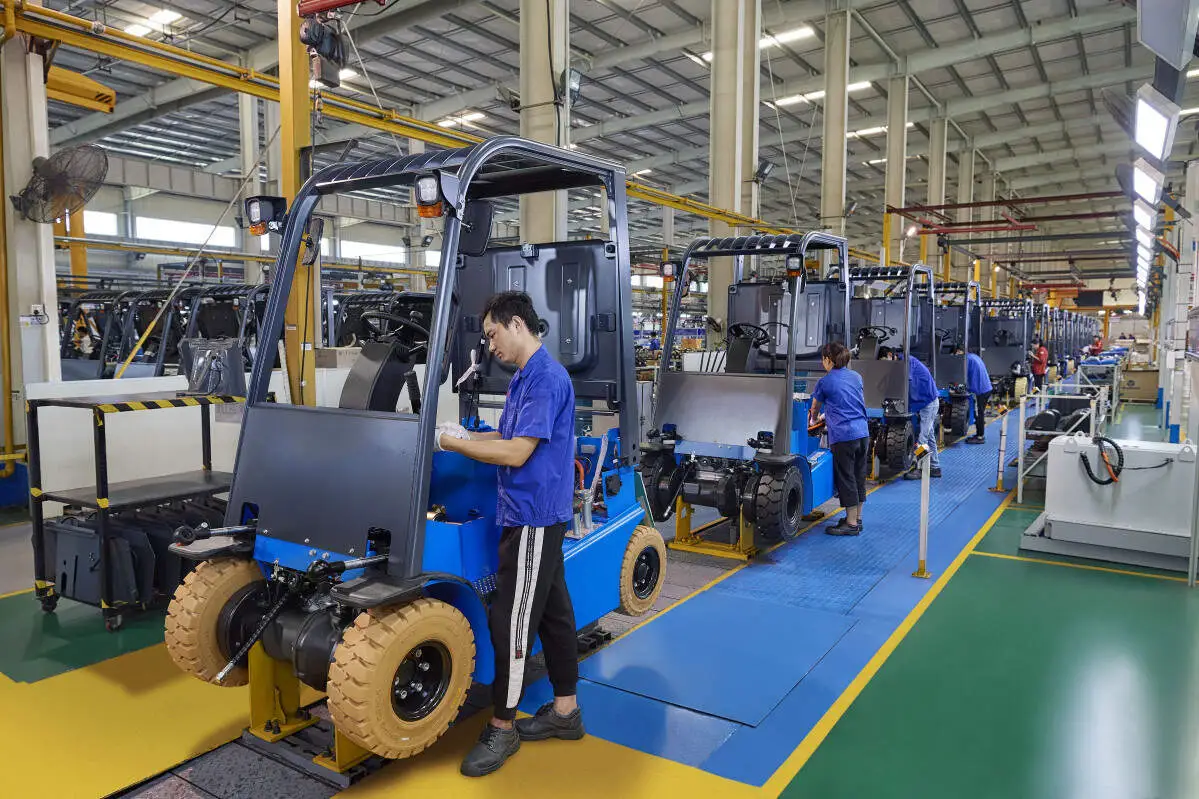
In recent years, the demand for 1 ton electric forklifts has been steadily rising across various industries, driven by the growing emphasis on environmental sustainability and operational efficiency. As a compact yet versatile material handling solution, these forklifts are widely used in warehouses, retail stores, small manufacturing facilities, and logistics centers, making their market quotation a key concern for businesses looking to optimize their material handling operations.
The market quotation of 1 ton electric forklifts varies significantly based on several core factors. First and foremost, battery type plays a crucial role. Lead-acid batteries, which are more cost-effective upfront, typically result in a lower initial price point for the forklift. However, they have shorter lifespans and require more frequent maintenance, which can increase long-term operational costs. On the other hand, lithium-ion batteries, though more expensive initially, offer longer cycle lives, faster charging times, and reduced maintenance needs, contributing to a higher overall quotation but better long-term value.
Beyond battery types, additional configurations also influence pricing. Forklifts equipped with features such as adjustable masts, side shifters, ergonomic operator cabins, and advanced safety systems like anti-slip controls and collision avoidance technology will command a higher price. These features enhance operational flexibility and safety, making them a worthwhile investment for businesses with specific material handling requirements.
The intended application scenario can also impact the market quotation. For instance, forklifts designed for indoor use in narrow warehouse aisles may have specialized compact designs, which can affect pricing compared to models built for outdoor use with enhanced weather resistance. Businesses operating in cold storage environments may need forklifts with insulated components and cold-resistant batteries, further increasing the cost.
Looking at the broader market trend, the quotation of 1 ton electric forklifts is expected to witness gradual adjustments in the coming years. Stricter environmental regulations aimed at reducing carbon emissions are pushing more businesses to transition from diesel-powered forklifts to electric alternatives, increasing demand and potentially stabilizing or slightly increasing prices for high-quality models. Additionally, advancements in battery technology are likely to drive down the cost of lithium-ion batteries over time, making these higher-performance forklifts more accessible to small and medium-sized enterprises.
When considering the market quotation of 1 ton electric forklifts, businesses should not only focus on the initial purchase price but also evaluate long-term operational costs, including maintenance, charging, and battery replacement. By aligning the forklift's specifications with their specific operational needs, businesses can make a cost-effective investment that enhances efficiency and supports their sustainability goals. As the market continues to evolve, staying informed about the latest pricing trends and technological advancements will be key to making informed purchasing decisions.