Operating a forklift requires proper certification, as different license categories correspond to specific forklift types and work environments. Among the common classifications are LO and LF forklift licenses, each designed for distinct operational needs. Understanding these categories is essential for both aspiring operators and employers to ensure workplace safety and compliance.
The LO forklift license applies to outdoor forklifts, typically powered by internal combustion engines. These forklifts are built to handle rugged terrain, uneven surfaces, and varying weather conditions often found in construction sites, lumber yards, or port areas. Operators with an LO license must be trained to manage factors like reduced visibility in outdoor settings, load stability on slopes, and proper maintenance of fuel-powered equipment. They also need to understand safety protocols for operating around heavy machinery and pedestrian traffic in open spaces, as outdoor environments often present more dynamic and unpredictable hazards.
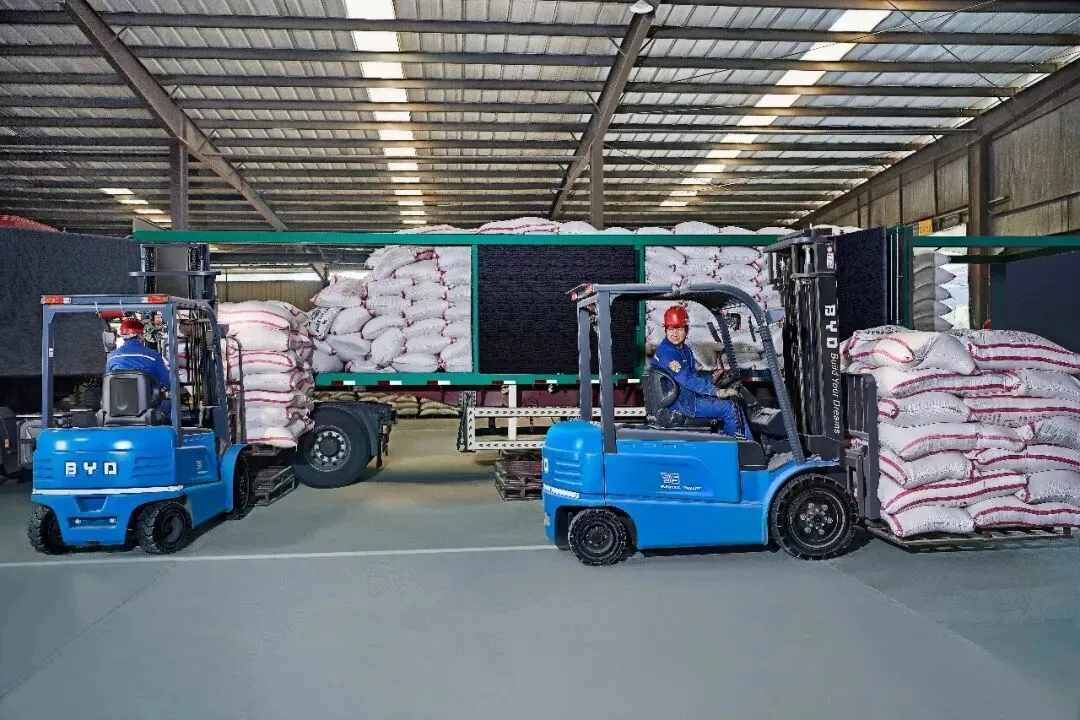
In contrast, the LF forklift license is for electric-powered forklifts used primarily indoors. These forklifts are favored in warehouses, distribution centers, and manufacturing facilities due to their low noise levels and zero emissions, which help maintain air quality in enclosed spaces. LF license holders must master skills like maneuvering in narrow aisles, handling tight turns, and managing battery charging and maintenance. Additionally, they need to be aware of indoor safety hazards such as low overhead clearances, stacked inventory, and pedestrian movement in confined areas, where even small operational mistakes can lead to collisions or inventory damage.
To obtain either an LO or LF forklift license, individuals must complete a certified training program. This program usually includes both classroom instruction on safety regulations, load calculations, and equipment basics, as well as hands-on practical training to develop operational skills tailored to the specific forklift type. After training, candidates must pass a written exam covering safety knowledge and a practical assessment demonstrating their ability to operate the forklift safely and efficiently in relevant work scenarios. Employers often require proof of valid certification before allowing operators to use forklifts on the job, as uncertified operation increases the risk of accidents and non-compliance with workplace safety standards.
Choosing the right license category depends on the type of forklift and work environment an operator will encounter. Both LO and LF licenses play a critical role in reducing workplace accidents and ensuring compliance with industry standards. By understanding the differences between these categories and completing the necessary training, operators can perform their jobs safely and effectively, contributing to a secure and productive work environment for themselves and their colleagues.