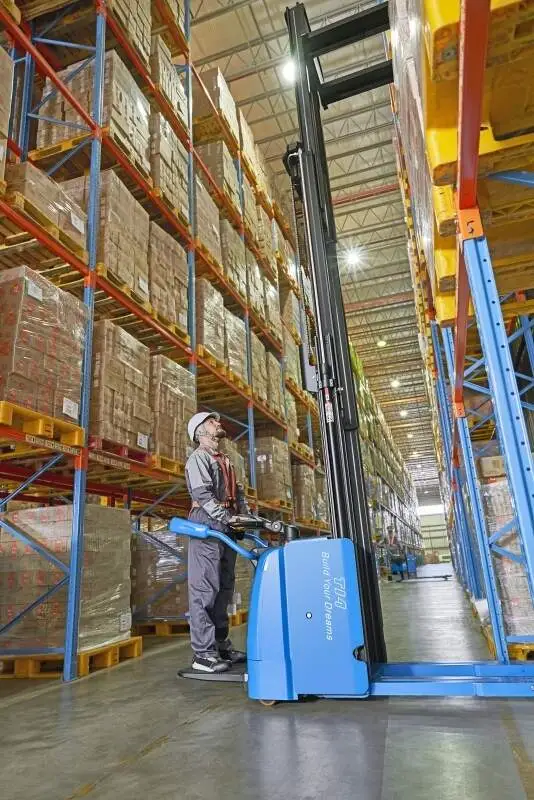
New electric forklifts are critical assets for modern industrial operations, streamlining material handling in warehouses, distribution centers, and manufacturing facilities. Their pricing is not arbitrary; it is shaped by a complex interplay of market variables that reflect broader economic, technological, and regulatory shifts. Understanding these factors helps businesses make informed purchasing decisions and anticipate price fluctuations in the industrial equipment market.
One of the most foundational variables influencing new electric forklift pricing is raw material costs. Key components like steel, aluminum, and battery materials (lithium, cobalt, and nickel) account for a significant portion of production expenses. Global supply chain disruptions, such as trade tensions or geopolitical conflicts, can cause sudden spikes in these material prices. For example, fluctuations in lithium prices driven by high demand for electric vehicle batteries directly impact the cost of electric forklift battery packs, which often represent 20-30% of the total equipment cost. Manufacturers adjust their pricing to offset these volatile input costs, ensuring profitability while maintaining market competitiveness.
Market demand dynamics also play a pivotal role in setting forklift prices. The growth of e-commerce and third-party logistics has fueled a surge in demand for efficient material handling equipment, leading to tighter supply in some regions. When demand outpaces supply, manufacturers may incrementally increase prices to align with market conditions. Additionally, the global shift toward sustainable operations has boosted demand for electric forklifts over their diesel counterparts. This increased demand, coupled with ongoing investments in electric vehicle infrastructure, can influence pricing as manufacturers scale production to meet market needs, potentially lowering costs over time through economies of scale.
Innovations in electric forklift technology contribute to price variations. Advanced features like fast-charging batteries, extended range capabilities, and integrated telematics systems for fleet management require significant research and development (R&D) investment. Forklifts equipped with these cutting-edge technologies typically command higher prices, as they offer enhanced efficiency, reduced downtime, and improved safety. However, as these technologies become more mainstream and production processes optimize, their associated costs may decrease, making advanced electric forklifts more accessible to a wider range of businesses.
The competitive nature of the industrial equipment market directly impacts pricing strategies. A crowded market with numerous suppliers often leads to price competition, as manufacturers strive to attract customers by offering competitive rates or value-added services. Conversely, niche segments with limited specialized suppliers may see higher price points due to reduced competition. Manufacturers may also differentiate their products through unique features or customized solutions, allowing them to justify premium pricing for tailored equipment that meets specific operational needs.
Regulatory standards and compliance requirements add another layer of complexity to forklift pricing. Governments worldwide are implementing stricter emissions regulations to reduce carbon footprints, pushing manufacturers to invest in cleaner, electric-powered technologies. Compliance with safety standards, such as those related to operator protection and equipment stability, also requires additional engineering and testing costs. These compliance-related expenses are passed on to consumers, affecting the final price of new electric forklifts. Businesses operating in regions with stringent regulations may face higher equipment costs but also benefit from long-term savings through reduced fuel and maintenance expenses.
In conclusion, pricing for new electric forklift equipment is a dynamic process shaped by multiple interconnected market variables. From raw material costs and demand trends to technological innovations and regulatory mandates, each factor plays a role in determining the final price point. By understanding these variables, industrial buyers can better evaluate their options, budget effectively, and select equipment that aligns with both their operational needs and financial goals. As the market continues to evolve, staying informed about these factors will remain essential for navigating the landscape of electric forklift purchasing.