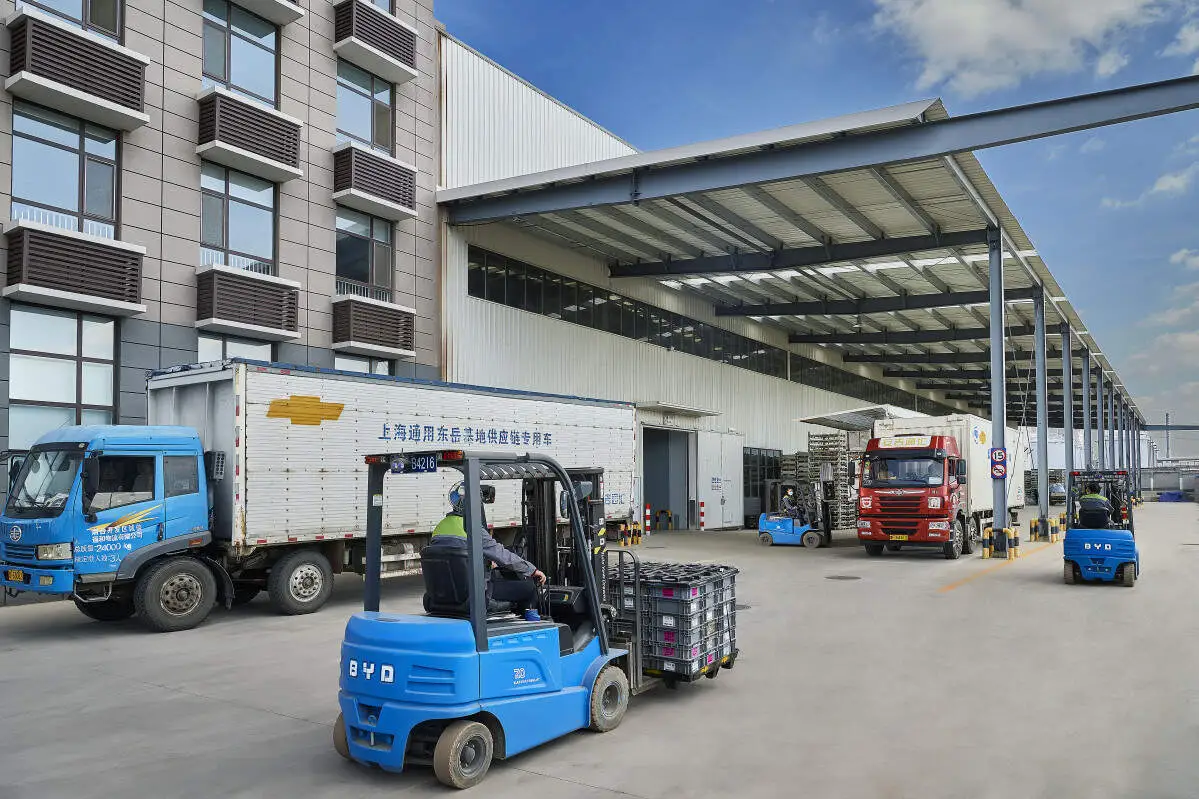
Forward view forklift mirrors are critical components for safe and efficient material handling operations. They help operators monitor blind spots, detect nearby personnel and obstacles, and maintain situational awareness throughout every task. Proper installation and adjustment of these mirrors can significantly reduce the risk of accidents in warehouse and industrial settings.
Installation Tips for Forward View Forklift Mirrors
Before starting the installation process, gather the necessary tools, such as a wrench set, screwdriver, and measuring tape, to ensure a smooth setup. Start by identifying the optimal mounting location on the forklift. This should be a position that does not obstruct the operator’s primary view while providing maximum coverage of forward and side blind spots. Typically, these mirrors are mounted on the overhead guard or the side pillars of the forklift’s cab.
Once the location is determined, carefully align the mirror bracket with the mounting surface. Use the provided hardware to secure the bracket tightly, ensuring there is no wobble or movement. After attaching the bracket, mount the mirror onto it and adjust the angle temporarily to check for clear visibility. Finally, tighten all screws and bolts to secure the mirror in place, and give it a gentle shake to confirm it is firmly attached.
Adjustment Guidelines for Optimal Visibility
Proper adjustment of forward view mirrors starts with the operator sitting in their normal driving position, with the seat adjusted to their preferred height and distance from the steering wheel. This ensures the mirror settings are tailored to the operator’s line of sight.
For the left forward view mirror, adjust it so that a small portion of the forklift’s side is visible, while the majority of the mirror shows the area ahead and to the left. This helps the operator monitor traffic approaching from the side and keep track of loads being transported.
For the right forward view mirror, follow a similar approach. Ensure a small sliver of the forklift’s right side is in view, with the rest of the mirror covering the forward and right-side blind spots. Pay special attention to areas where pedestrians or other equipment are likely to move.
After adjusting both mirrors, take the forklift for a slow test drive in a controlled area. Check for any blind spots that may still exist and make minor adjustments as needed. Regularly recheck the mirror positions, especially after the forklift has been used by different operators or subjected to rough handling.
Safety Maintenance Tips
To keep forward view forklift mirrors functioning effectively, perform regular inspections. Check for cracks, loose fittings, or dirt that may obstruct visibility. Clean the mirrors with a soft cloth and mild cleaner to remove dust, grease, and debris, ensuring clear sightlines at all times.
If a mirror becomes damaged or loses its ability to stay in adjusted position, replace or repair it promptly. Faulty mirrors can compromise operator safety and increase the risk of collisions in the workplace.
By following these installation and adjustment tips, forklift operators can enhance their visibility and create a safer working environment for themselves and those around them. Consistent attention to mirror setup and maintenance is a simple yet effective way to support safe material handling practices.