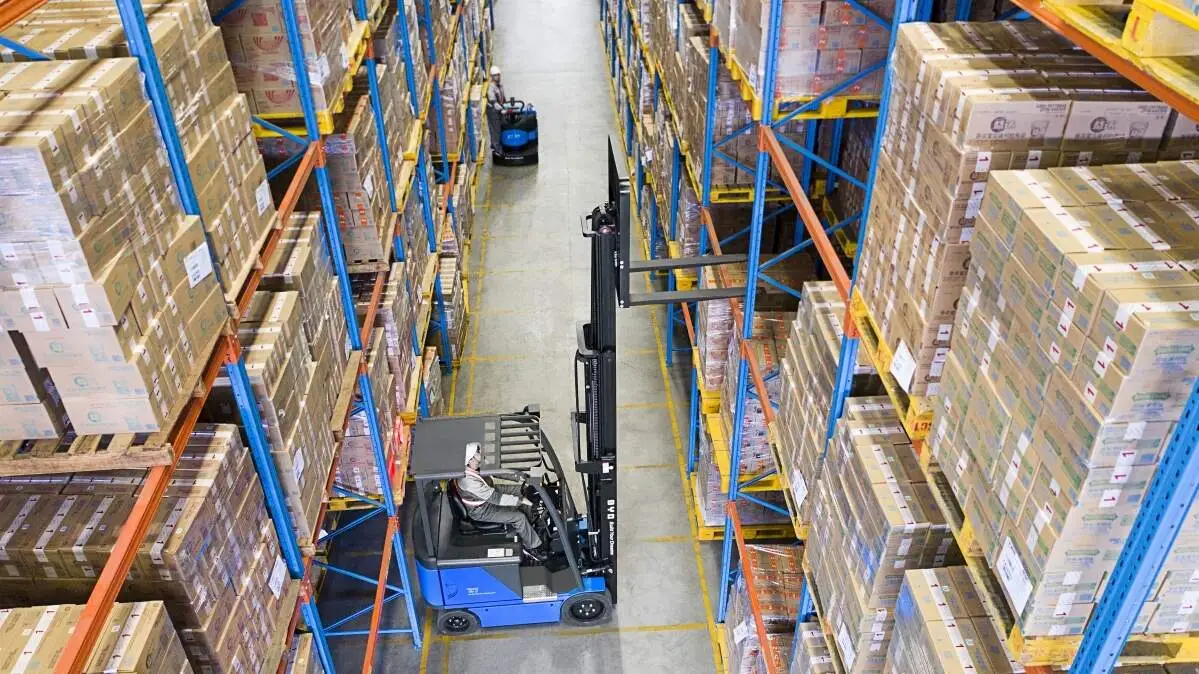
When operating electric forklifts in warehouses, distribution centers, or industrial sites, trailer hitch adaptors serve as essential tools to extend the vehicle’s functionality, enabling it to tow trailers, carts, or other equipment. However, selecting the wrong adaptor can lead to safety risks, equipment damage, and reduced operational efficiency. This guide outlines critical factors to consider when matching a trailer hitch adaptor to your electric forklift.
First, start with your electric forklift’s model and rear frame specifications. Different forklift designs feature varying rear mounting points, including bolt patterns, frame dimensions, and structural supports. Before purchasing an adaptor, inspect your forklift’s rear section to identify pre-drilled bolt holes, their spacing, and the overall width of the frame. The adaptor must align precisely with these mounting points to ensure a secure fit; misalignment can cause stress on the frame during towing, leading to premature wear or structural failure.
Next, evaluate load capacity requirements. Both the forklift and the hitch adaptor have specific weight limits for towing. Refer to your forklift’s operator manual to find its maximum towing capacity, which accounts for factors like battery weight, lift capacity, and overall vehicle stability. The adaptor’s rated load capacity should never exceed this figure, and you should also consider the total weight of the trailer and its cargo. Overloading the adaptor can compromise its integrity, leading to bending, cracking, or detachment during use, which poses significant safety hazards for operators and nearby personnel.
Then, consider the type of connection and adaptor design. Hitch adaptors come in various configurations, such as fixed bolt-on models and quick-release designs. Fixed bolt-on adaptors offer long-term stability for frequent, consistent towing tasks, while quick-release options are ideal for applications where you need to remove the adaptor quickly when switching between forklift functions. Ensure the connection mechanism matches your towing needs—for example, if you tow different trailer types, look for an adaptor that accommodates standard hitch sizes to maximize versatility.
Installation and safety checks are also crucial. Before installing the adaptor, inspect it for any signs of damage, such as cracks, rust, or bent components. Follow the manufacturer’s installation instructions carefully, ensuring all bolts are tightened to the specified torque. After installation, conduct a test by attaching a lightweight trailer and maneuvering the forklift slowly to check for any unusual movement or noise. Regularly inspect the adaptor and mounting points for wear or loose bolts, especially after heavy use, to maintain safe towing conditions.
In conclusion, matching the right trailer hitch adaptor to your electric forklift requires careful consideration of frame compatibility, load capacity, connection type, and installation practices. By following this guide, you can ensure a secure, reliable towing setup that enhances operational efficiency while prioritizing safety for all personnel and equipment on-site.