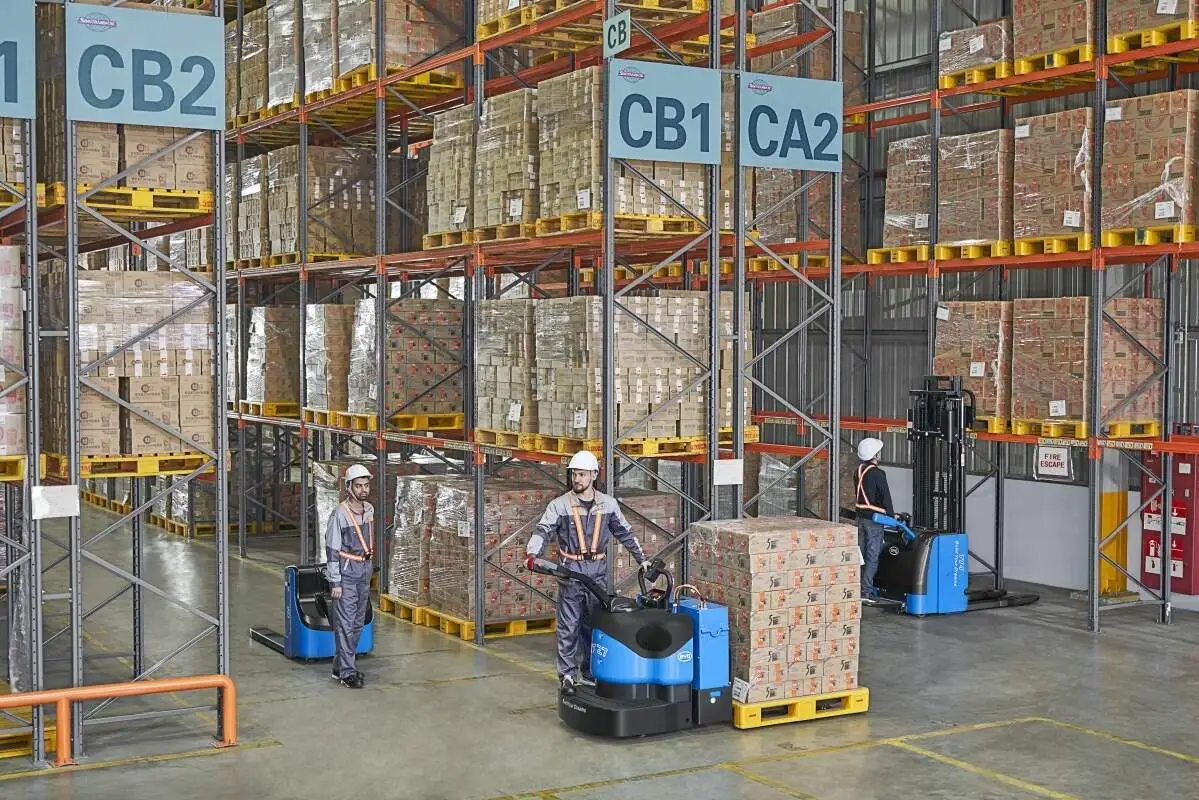
Reach type forklift trucks are critical tools for optimizing storage and retrieval tasks in narrow warehouse spaces, where maximizing vertical and horizontal space utilization is key. Mastering proper operation skills not only enhances workflow efficiency but also reduces the risk of equipment damage and workplace incidents.
Pre-Operation Inspection
Before starting any task, a thorough pre-operation inspection is non-negotiable. Begin by checking the forklift’s tires for proper inflation and signs of wear, as damaged tires can compromise stability during movement. Inspect the brake system to ensure responsive stopping power, and test the hydraulic controls to verify smooth lifting and lowering functions. Examine the forks for cracks or bending, and confirm that all lights, horns, and safety alarms are in working order. Taking 5 to 10 minutes for this inspection can prevent costly breakdowns and accidents during operation.
Safe Load Handling Techniques
Proper load handling is foundational to reach forklift operation. Start by adjusting the fork spacing to match the width of the pallet, ensuring even weight distribution. When approaching a load, position the forklift squarely and slowly slide the forks under the pallet until they are fully inserted. Lift the load just enough to clear the floor (typically 10 to 15 centimeters) to maintain balance during travel. Avoid overloading the forklift beyond its rated capacity, as this can lead to tipping. When transporting loads, keep them at a low height to reduce the risk of instability, and avoid sudden turns or stops that could shift the load.
Maneuvering in Tight Warehouse Spaces
Warehouses often feature narrow aisles, making precise maneuvering a vital skill. Before entering an aisle, check for oncoming traffic or personnel using the forklift’s mirrors and horn. Maintain a slow, steady speed, and use the reach mechanism carefully to extend the forks without hitting shelves or other objects. When turning, account for the forklift’s turning radius and ensure there is enough space to complete the maneuver without scraping walls or racks. Always stay alert to your surroundings, and never operate the forklift while distracted by phones or other devices.
Post-Operation Procedures
After completing tasks, follow proper post-operation protocols to maintain the forklift’s longevity. Park the forklift in a designated area, engage the parking brake, and lower the forks to the floor. Turn off the engine, remove the key, and perform a quick visual check for any leaks or damage that may have occurred during operation. Report any issues to the maintenance team promptly to address them before the next use.
By adhering to these operation skills and safety guidelines, forklift operators can contribute to a more efficient, secure warehouse environment, ensuring that reach type forklifts perform at their best while minimizing risks to both personnel and equipment.