In fast-paced manufacturing environments, efficient material handling is a cornerstone of smooth operations, directly impacting production timelines, labor costs, and overall productivity. Forklifts stand as versatile workhorses in this space, addressing a wide range of material moving needs from raw material unloading to finished goods storage. However, maximizing their value requires strategic planning and tailored solutions aligned with a facility’s unique operational demands.
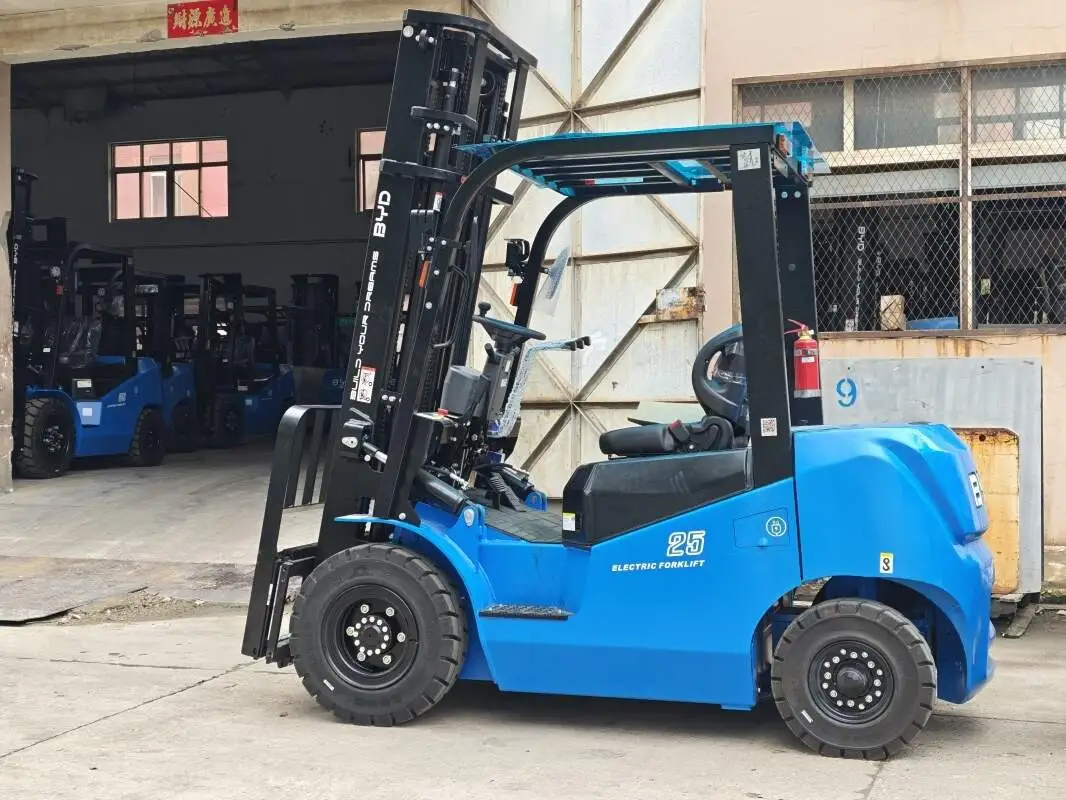
One key area of optimization is selecting the right forklift type for specific tasks. For indoor manufacturing floors with narrow aisles, compact electric forklifts offer maneuverability without sacrificing load capacity, reducing the risk of collisions with equipment or inventory. For outdoor yard operations where heavy loads are common, robust counterbalance forklifts can handle heavier pallets and uneven terrain more effectively. Matching the forklift to the task not only enhances efficiency but also extends the equipment’s lifespan by avoiding unnecessary strain.
Regular preventive maintenance is another critical component of a reliable material handling strategy. Scheduled inspections of brakes, tires, hydraulic systems, and battery health (for electric models) can prevent unexpected breakdowns that halt production. Implementing a maintenance log to track service intervals and repair history helps teams identify potential issues early, ensuring forklifts remain in peak operating condition. This proactive approach minimizes downtime and reduces long-term repair costs, keeping material flow consistent.
Safety is non-negotiable in manufacturing material handling, and forklift operations require strict adherence to protocols. Comprehensive operator training programs should cover not only basic driving skills but also load balancing, hazard identification, and emergency procedures. Mandating pre-shift equipment checks ensures operators spot defects before starting work, while clear floor markings and designated traffic lanes reduce the risk of accidents between forklifts and pedestrian workers. Additionally, limiting forklift speeds in high-traffic areas and installing visibility aids like backup cameras further enhance workplace safety.
Integrating forklifts with existing workflow systems can also streamline material handling processes. For example, syncing forklift operations with inventory management software allows operators to locate and transport materials more quickly, reducing time spent searching for items. Some facilities use barcode scanners on forklifts to update inventory records in real time, ensuring accurate stock levels and preventing overstocking or stockouts. This level of integration creates a more cohesive operational ecosystem, where material movement aligns seamlessly with production schedules.
Finally, evaluating and adjusting workflows regularly helps identify bottlenecks in material handling. Observing forklift routes to eliminate unnecessary detours, optimizing storage layouts to reduce travel distances, and cross-training operators to handle multiple forklift types can all contribute to improved efficiency. By continuously monitoring performance metrics like load movement time and equipment utilization rates, manufacturing facilities can refine their material handling strategies to adapt to changing production needs.
In conclusion, forklifts are invaluable tools for manufacturing material handling, but their full potential is unlocked through strategic planning, consistent maintenance, strict safety protocols, and workflow integration. By implementing these tailored solutions, manufacturing facilities can enhance productivity, reduce operational costs, and create a safer work environment for all personnel.