In the realm of industrial material handling, heavy-duty electric forklifts stand as critical workhorses, streamlining operations across warehouses, manufacturing plants, and construction sites. Choosing the right model requires a clear understanding of key specifications, as even minor differences can significantly impact operational efficiency and cost-effectiveness. Below is a detailed comparison of core specifications across different heavy-duty electric forklift models to guide your decision-making process.
Load capacity is one of the most fundamental specifications to evaluate. Entry-level heavy-duty models typically offer a load capacity ranging from 5 to 8 tons, designed for regular palletized goods and mid-weight material transport in standard warehouse settings. For more demanding tasks, such as moving heavy machinery components or bulk construction materials, higher-tier models can handle loads between 12 and 20 tons. It’s important to note that load capacity can vary based on lift height; maximum load ratings are often specified at a standard lift height, and performance may decrease as the fork height increases.
Battery life and charging efficiency are pivotal for uninterrupted operations. Most heavy-duty electric forklifts are equipped with either lead-acid or lithium-ion batteries. Lead-acid battery models usually provide 8 to 10 hours of continuous use under average load conditions, with charging times ranging from 8 to 12 hours. In contrast, lithium-ion battery-powered models offer extended battery life, lasting 12 to 16 hours on a single charge, and support fast charging options that can replenish 80% of battery capacity in 2 to 3 hours. The choice between battery types often depends on operational shifts and available charging infrastructure.
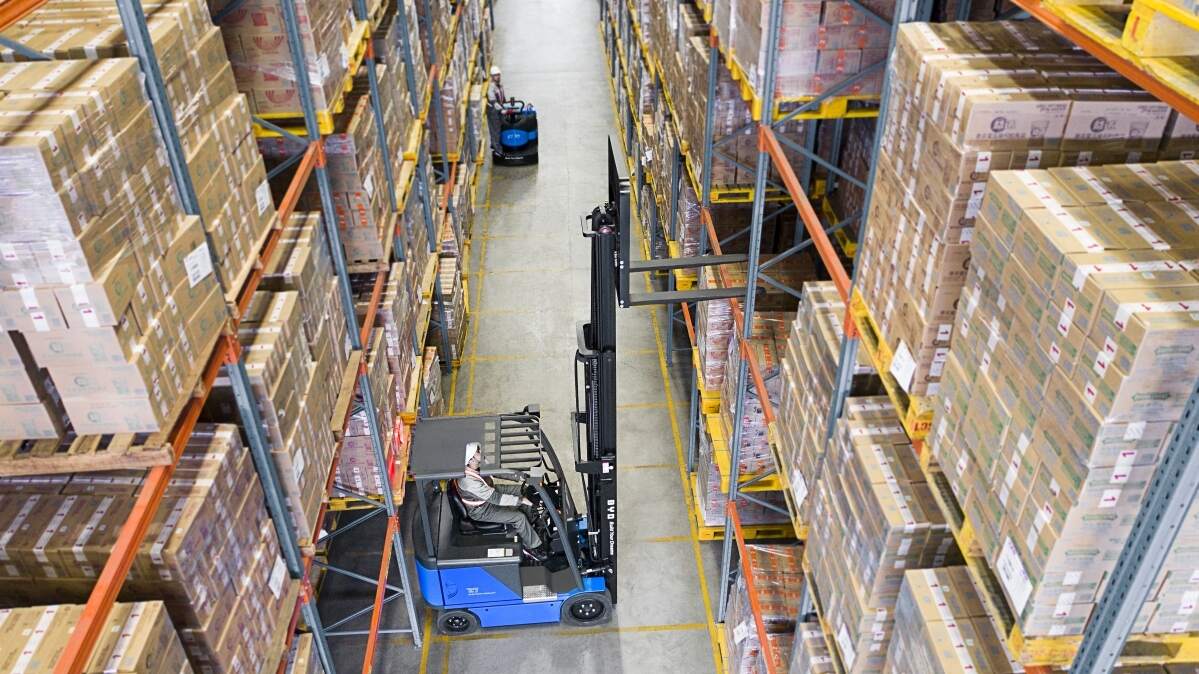
Lift height is another key specification tailored to specific workspace needs. Models designed for standard warehouse storage with low-to-mid level shelves typically offer a maximum lift height of 3 to 5 meters. For facilities with high-rise pallet racking systems, specialized heavy-duty forklifts can achieve lift heights of 6 to 8 meters, allowing access to upper storage levels without compromising load stability. It’s essential to match the lift height with your facility’s storage configuration to maximize space utilization.
Operational environment compatibility is also a critical factor. Forklifts intended for indoor use usually feature lower noise levels and tighter turning radii, making them suitable for narrow warehouse aisles. Outdoor models, on the other hand, are built with enhanced waterproof and dustproof ratings (often IP54 or higher) to withstand exposure to rain, dirt, and uneven terrain. Some models also come with reinforced tires and suspension systems to handle rough outdoor surfaces, ensuring safe and efficient operation in construction or port settings.
When comparing heavy-duty electric forklift models, it’s vital to prioritize specifications that align with your unique operational requirements. Assessing load capacity, battery performance, lift height, and environment compatibility will help you identify the model that optimizes productivity while keeping long-term operational costs in check. By taking a data-driven approach to specification comparison, you can select a forklift that meets your current needs and adapts to future growth in your material handling operations.