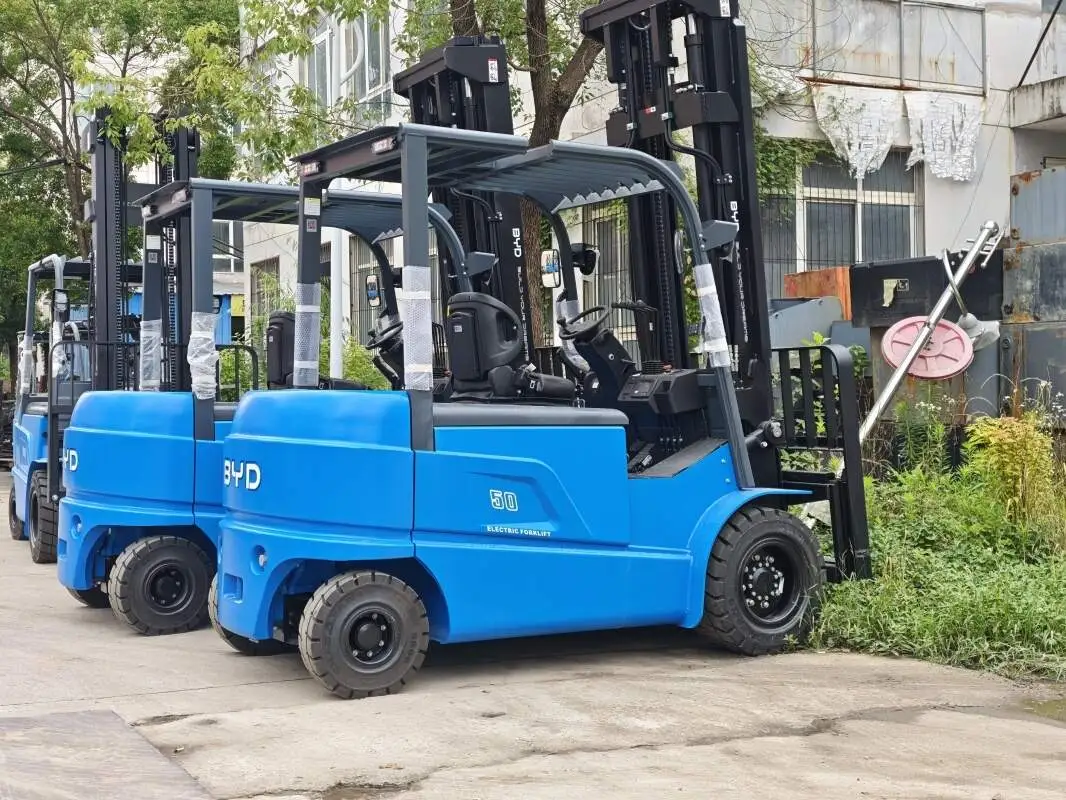
Heavy-duty industrial forklift forks are critical components that directly impact the safety, efficiency, and lifespan of material handling operations. Choosing the right material for these forks is not a random decision; it must adhere to strict standards tailored to the demanding conditions of heavy-load environments.
Mechanical Strength and Load-Bearing Capacity
The primary standard for heavy-duty forklift fork materials revolves around mechanical strength, specifically yield and tensile strength. Forks must withstand static and dynamic loads far beyond their rated capacity to prevent catastrophic failure. High-strength low-alloy (HSLA) steels are commonly preferred due to their excellent strength-to-weight ratio, allowing forks to handle heavy loads without excessive bulk. Materials must meet minimum yield strength thresholds, typically ranging from 600 to 800 MPa, to ensure they do not deform under prolonged heavy use. Engineers also evaluate fatigue resistance, as forks undergo repeated loading and unloading cycles that can cause stress fractures over time.
Wear and Impact Resistance
In industrial settings, forklift forks constantly interact with rough pallets, heavy cargo, and uneven surfaces, making wear and impact resistance key selection criteria. Materials should have high hardness levels, often achieved through heat treatment processes like surface quenching, to resist abrasive wear. Additionally, the material must absorb impact energy without cracking or breaking. Medium-carbon steels with alloy additions such as manganese or chromium are suitable here, as they balance hardness with toughness, preventing brittle failure during sudden impacts, such as when lowering heavy loads onto uneven ground.
Corrosion Resistance
Many industrial environments, including warehouses with high humidity, outdoor storage yards, or facilities handling chemical goods, expose forklift forks to corrosive elements. Material selection must include corrosion resistance standards to extend fork lifespan and maintain structural integrity. Options like galvanized steels or stainless steel alloys provide effective protection against rust and chemical corrosion. For less extreme environments, paint or powder coatings can be applied, but the base material should still have inherent corrosion-resistant properties to ensure long-term performance.
Compliance with Industry Standards
All materials used for heavy-duty forklift forks must comply with established industry standards, such as those set by the International Organization for Standardization (ISO) or regional regulatory bodies. These standards outline testing protocols, material composition requirements, and performance benchmarks. For example, ISO 1100 specifies the design, construction, and testing of forklift forks, including material quality checks. Compliance ensures that forks meet safety and performance expectations, reducing the risk of accidents and ensuring compatibility with different forklift models.
By adhering to these material selection standards, businesses can ensure their heavy-duty forklift forks are reliable, safe, and cost-effective. Regular inspections and maintenance further complement proper material choice, extending the service life of forks and supporting uninterrupted material handling operations.