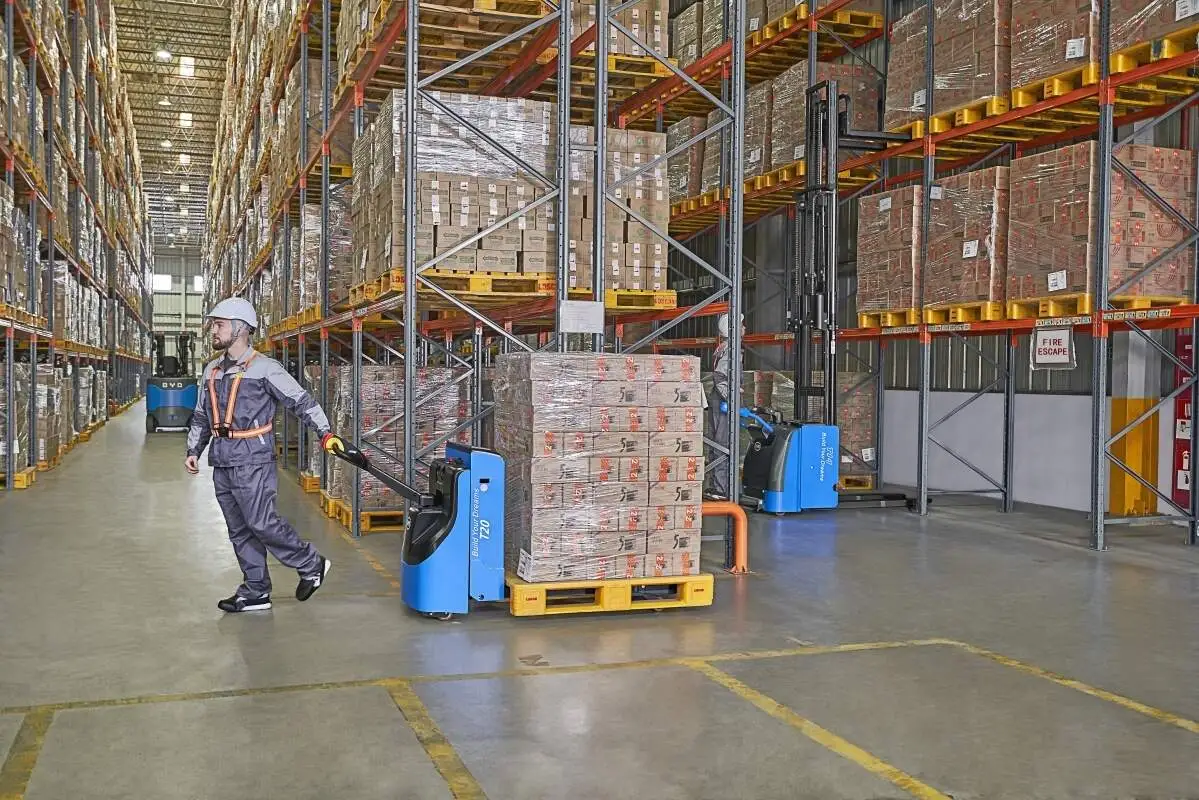
forklift serial numbers are unique identifiers that hold critical information about a machine’s origin, manufacturing details, specifications, and maintenance history. Decoding these numbers is essential for fleet managers, technicians, and buyers to make informed decisions about repairs, compliance, and equipment valuation. Below is a step-by-step guide to effectively decode forklift serial numbers.
First, locate the serial number. Serial numbers are typically engraved or printed on durable plates attached to key parts of the forklift. Common locations include the frame rail near the mast base, the dashboard console, the side of the engine compartment (for internal combustion models), or the rear of the machine’s body. Some electric forklifts may have the serial number on the battery compartment or control panel. It’s important to check multiple areas if the number is not immediately visible, as placement can vary by manufacturing design.
Next, understand the coding structure. Most forklift serial numbers follow a standardized format set by the manufacturer, though variations exist. Typically, the number is divided into segments that represent specific details: the initial segment often indicates the manufacturing year or production run, which may be a combination of letters and numbers; the middle segment usually represents the model type, including load capacity, lift height, and power source; the final segment often denotes the manufacturing plant location or a unique production sequence number.
Then, access official resources. To accurately decode the serial number, rely on official manufacturer resources. Many manufacturers offer online lookup tools on their websites, where you can input the serial number to retrieve a detailed breakdown of the forklift’s specifications. If an online tool is unavailable, contacting the manufacturer’s customer support team can provide direct assistance. Avoid third-party databases, as these may contain outdated or incorrect information.
Finally, interpret key details based on your needs. For fleet managers, the manufacturing year helps schedule preventive maintenance and plan upgrades. Technicians can use model specifications to source correct replacement parts, ensuring compatibility. For used forklift buyers, decoding verifies the machine’s stated age and specs, helping avoid misrepresentation and ensure a fair purchase.
Mastering forklift serial number decoding takes time, but the benefits are significant. By following these methods, you unlock valuable information that supports efficient fleet management, accurate repairs, and informed purchasing decisions. Whether maintaining a fleet or evaluating a used machine, decoding the serial number is a fundamental step in understanding your forklift’s true identity and capabilities.