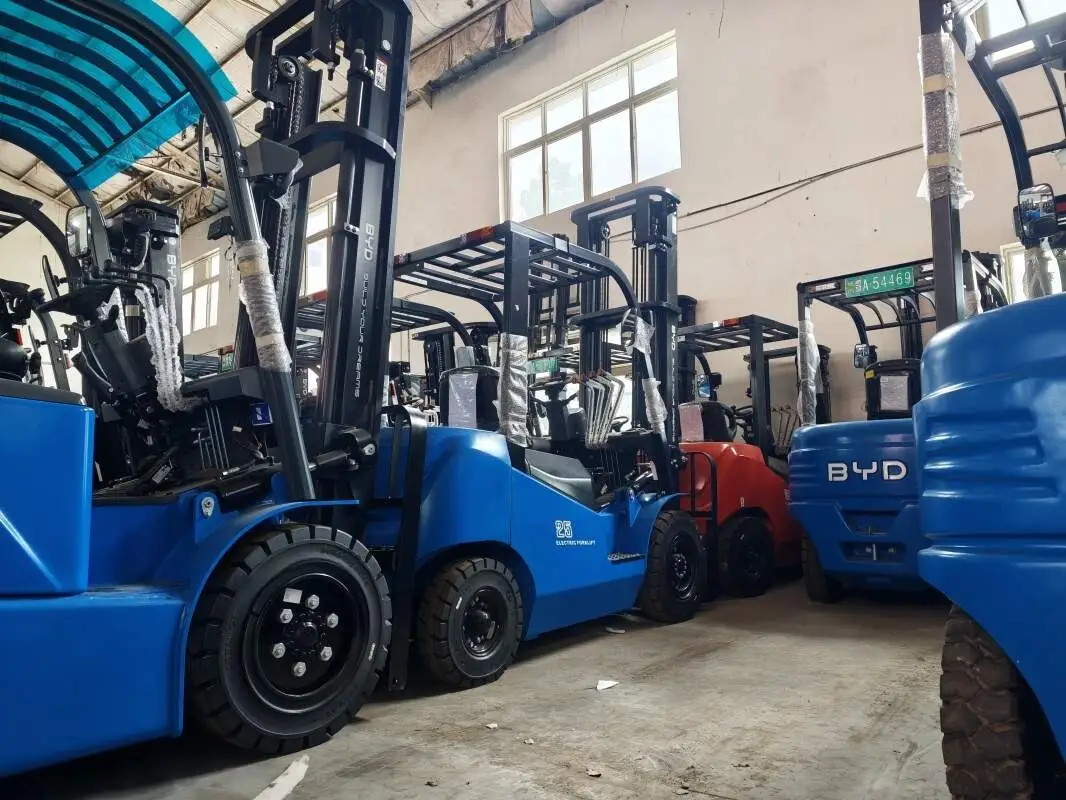
Sideloader forklift trucks play a critical role in material handling operations, especially for long and bulky loads that standard forklifts struggle to manage. Understanding their price information is essential for businesses looking to invest in this specialized equipment, as costs can vary significantly based on several key factors.
One of the primary determinants of a sideloader forklift’s price is its load capacity. Models designed to handle lighter loads, typically ranging from 2 to 5 tons, are more affordable, making them suitable for small to medium-sized warehouses or retail operations. On the other hand, heavy-duty sideloaders with capacities of 10 tons or more come with a higher price tag, as they require robust construction, reinforced frames, and powerful lifting mechanisms to support heavier weights. The complexity of engineering involved in building high-capacity units directly contributes to their increased cost.
Another factor influencing price is the power source. Electric sideloader forklifts, which are quieter and produce zero emissions, are often more expensive upfront compared to diesel-powered alternatives. This is due to the cost of advanced battery systems and electric motors. However, they may offer long-term savings through lower fuel and maintenance costs. Diesel sideloaders, while cheaper initially, have higher operational expenses related to fuel consumption and emissions control, which businesses need to consider when evaluating total cost of ownership.
Additional features and customization options also impact the price. Sideloaders equipped with advanced safety features such as reverse cameras, collision avoidance systems, or ergonomic operator cabins tend to cost more. Customizations like extended lifting heights, specialized attachments for handling specific load types, or weather-resistant components for outdoor use can further increase the price. Businesses should assess their specific operational needs to determine which features are necessary, as unnecessary add-ons can lead to unnecessary expenses.
The choice between new and used sideloader forklifts is another key consideration for cost. Used sideloaders are generally priced lower than new ones, offering a cost-effective option for businesses with limited budgets. However, it’s important to evaluate the condition of the used equipment, including its age, maintenance history, and remaining lifespan, to avoid unexpected repair costs. Refurbished used sideloaders, which have been inspected and restored to good working condition, often strike a balance between affordability and reliability, making them a popular choice for many businesses.
When considering the price of a sideloader forklift truck, it’s crucial to look beyond the upfront cost and consider the total cost of ownership, including maintenance, fuel, and potential downtime. By understanding the key factors that influence pricing, businesses can make informed decisions that align with their operational requirements and budget constraints. Whether opting for a small-capacity electric model or a heavy-duty diesel sideloader, careful evaluation of these factors ensures that the investment delivers long-term value for material handling operations.