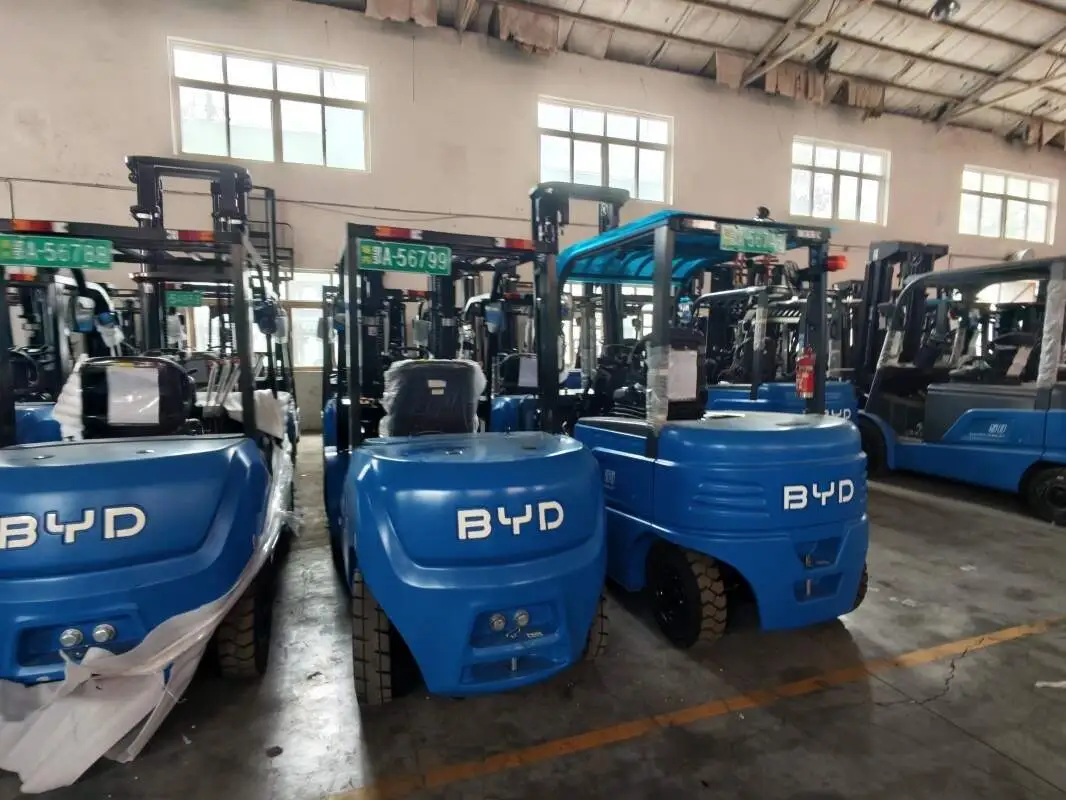
First and foremost, understanding forklift error codes is essential for maintaining operational efficiency and safety. These alphanumeric codes appear on the forklift’s dashboard or via diagnostic tools to alert operators to potential mechanical, electrical, or system-related issues. Ignoring them can lead to unplanned downtime, increased repair costs, and even safety hazards.
When it comes to reading forklift error codes, start with the built-in dashboard display. Most modern electric forklifts feature a digital or LED screen that displays error codes directly when an issue arises. Begin by turning the forklift key to the “on” position without starting the engine; this allows the system to run a self-diagnostic and display any pending codes. For basic codes, refer to the forklift’s operator manual, which typically includes a list of common codes and their general meanings. For more complex, system-specific codes, you’ll need a dedicated diagnostic scanner. Connect the scanner to the forklift’s control module—usually located under the dashboard or near the battery—to retrieve detailed data about the error, including its origin and severity.
Resolving common forklift error codes requires targeted troubleshooting. For example, a low battery voltage code often points to a drained or faulty battery. Start by inspecting the battery terminals for corrosion or loose connections; clean or tighten them as needed. If the issue persists, recharge the battery fully, and if it fails to hold a charge, consider replacing it. Another common code relates to sensor malfunctions, such as a faulty lift height sensor. In this case, first check the sensor’s wiring for damage or disconnections. If the wiring is intact, recalibrate the sensor following the manual’s instructions. For hydraulic system error codes, begin by checking the hydraulic fluid level and ensuring it meets the specified requirements. Inspect the system for leaks, and clean or replace clogged filters if necessary.
Safety should always be a priority when addressing forklift error codes. Before attempting any troubleshooting, turn off the forklift, engage the parking brake, and disconnect the battery if working on electrical components. Never attempt to resolve issues beyond your expertise; consult a certified technician for complex repairs or unfamiliar codes.
Proactive maintenance can also reduce the frequency of error codes. Regularly inspect batteries, sensors, and hydraulic systems, and keep the forklift clean to prevent debris from interfering with components. Train operators to recognize basic error codes and respond appropriately, ensuring small issues are addressed before they escalate into major problems that disrupt workflow.