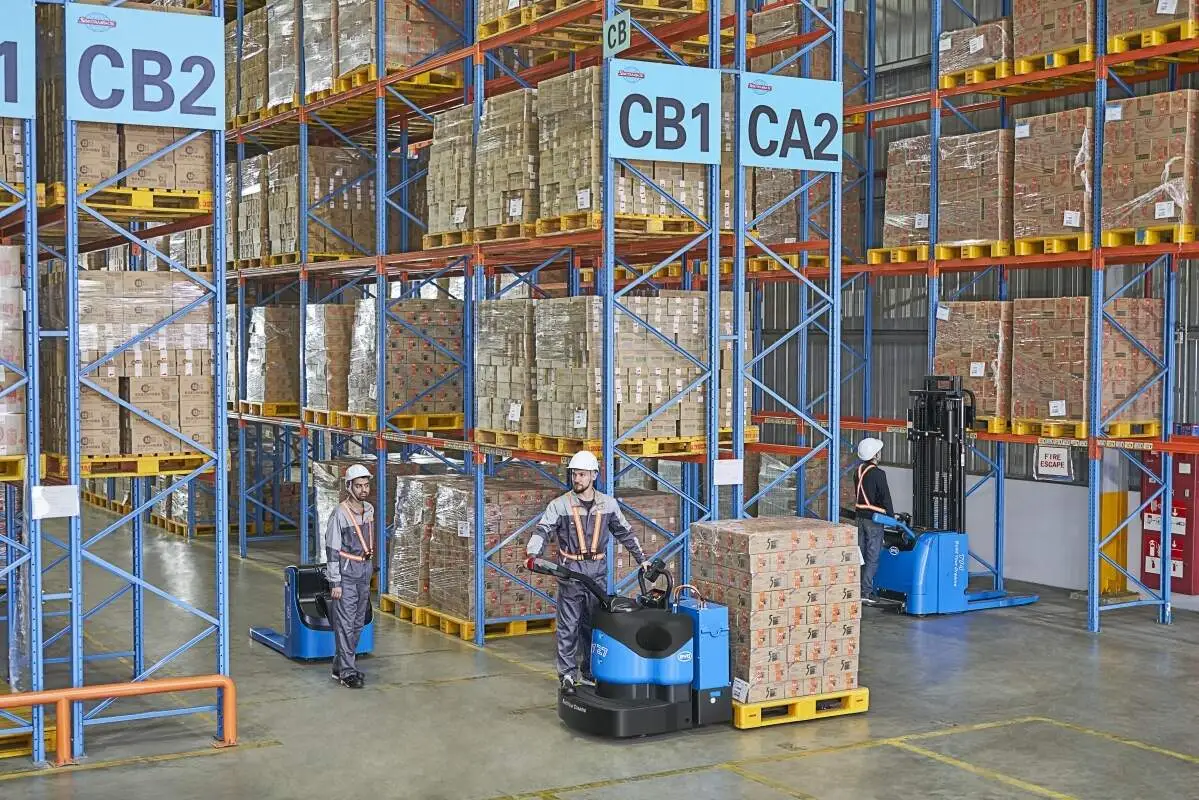
RC remote control forklifts are popular among hobbyists and enthusiasts for their realistic operation and versatile performance. For those looking to tailor their models to specific needs or enhance overall functionality, practical modification solutions can make a significant difference without compromising safety or compliance.
Performance Enhancement Modifications
One key area of modification focuses on boosting core performance. Upgrading to a higher-capacity lithium-ion battery, selected based on the model’s power requirements, can extend operational time and support more consistent power delivery during heavy lifting tasks. For improved torque and load-handling capabilities, replacing the stock motor with a more efficient, appropriately sized alternative can enhance the forklift’s ability to manage heavier simulated loads. Additionally, adjusting the hydraulic system’s fluid flow and pressure settings (following manufacturer guidelines) can lead to smoother lift and lower operations, reducing wear on internal components over time.
Control System Optimization
Refining the control system is another critical aspect of RC forklift modification. Installing a signal amplifier can expand the remote control range, allowing operation in larger spaces without signal loss. Adjusting the remote control’s sensitivity settings or adding a fine-tuning module can provide more precise control over steering, lift, and movement, which is especially useful for delicate simulated tasks. Upgrading the receiver module to a more responsive model can also reduce signal delay, ensuring the forklift reacts quickly to user inputs for a more intuitive experience.
Functional and Practical Tweaks
Adding functional components can increase the model’s utility. Installing a lightweight load sensor, calibrated to the forklift’s maximum capacity, can help users avoid overloading the model, preventing potential damage to the lifting mechanism. Replacing stock tires with durable, terrain-specific options—such as rubberized tires for smooth surfaces or treaded tires for uneven ground—can improve traction and stability during operation. For low-light or indoor use, adding LED light strips to the front and rear of the forklift enhances visibility, making it easier to navigate and perform tasks in dim environments.
Appearance and Durability Upgrades
Modifications can also focus on durability and personalization. Adding metal or reinforced plastic protective guards around the forklift’s body and lifting forks can reduce damage from accidental impacts during operation. Applying custom, non-toxic paint or vinyl wraps allows enthusiasts to personalize their models while protecting the original surface from scratches and wear. Reinforcing the chassis with additional support brackets can increase structural integrity, making the forklift more resilient to regular use and minor collisions.
When undertaking any modifications, it is important to prioritize safety and adhere to the model’s original design limits. Avoid modifications that exceed the forklift’s intended load capacity or power capabilities, as this can lead to component failure or unsafe operation. By choosing practical, compliant upgrades, enthusiasts can enjoy a more tailored and efficient RC remote control forklift experience.