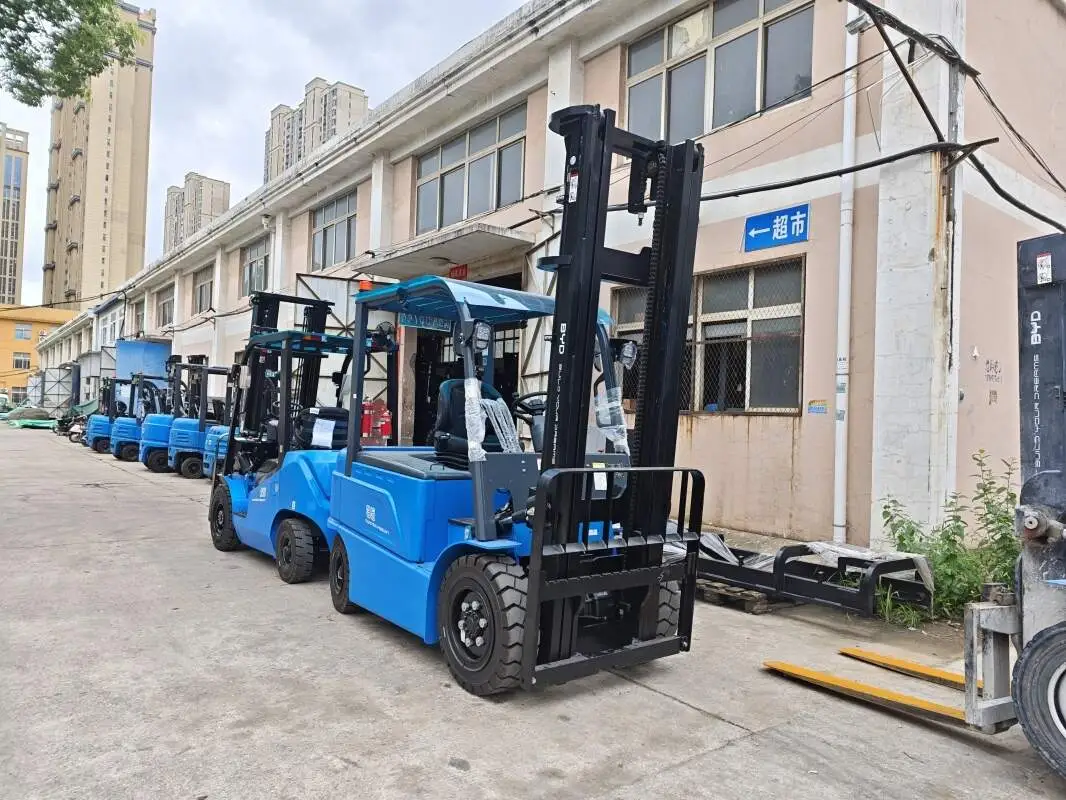
When considering a used electric forklift for your business, buying directly from a private owner can offer cost savings and flexibility, but it also comes with unique considerations that require careful planning. Unlike purchasing from a dealership, private sellers may not provide formal warranties or standardized inspection processes, so taking proactive steps is critical to making a wise investment.
Start by verifying the forklift’s operational history. Request detailed maintenance records, including battery care, routine servicing, and any repairs performed over its lifespan. Ask about the forklift’s primary use—for example, was it used in a dry warehouse or outdoors in harsh weather conditions? Understanding how the equipment was utilized can help you assess potential wear and tear. Also, confirm the total hours of operation, as this is a key indicator of its remaining lifespan; higher hours don’t always mean poor condition if the forklift was well-maintained, but they should factor into your evaluation.
Next, conduct a comprehensive on-site inspection. Begin with a visual check: look for signs of rust, dents, or uneven tire wear, which can signal neglect or heavy use. Test the battery’s performance by checking its charge level and observing how quickly it holds power during a short operation. Operate the forklift to test core functions: raise and lower the forks to ensure smooth movement, engage the brakes to confirm responsiveness, and check steering for any stiffness or unusual noises. Don’t overlook small details, like functional lights, horn, and seat belts, as these are essential for safe operation. If possible, bring a qualified technician to perform a deeper mechanical assessment, especially of the electric motor and hydraulic systems.
Assessing safety features is non-negotiable. Ensure all safety components are in working order, including emergency stop buttons, overhead guards, and load backrests. Check that the forklift meets current safety standards, as outdated equipment may pose risks to your team and lead to compliance issues. Ask the seller about any past incidents or modifications that could impact safety, and verify that all safety labels are intact and legible.
When it comes to negotiation, do your research to understand the current market value of similar used electric forklifts. Use online listings and industry resources to establish a realistic price range based on age, hours of operation, and overall condition. Factor in any necessary repairs or upgrades you’ll need to make after purchase, and use these findings to guide your offer. Be transparent with the seller about your concerns and inspection results, and aim for a fair agreement that benefits both parties.
Finally, finalize all legal and logistical details before completing the purchase. Ensure the seller can provide proof of ownership, such as a title or registration, to avoid any disputes later. Draft a written agreement that outlines the terms of the sale, including the purchase price, any agreed-upon repairs, and the transfer of ownership. Arrange for secure transportation of the forklift to your facility, and schedule a post-purchase inspection to confirm everything is in working order once it arrives.
By following these tips, you can navigate the process of buying a used electric forklift from a private owner with confidence, ensuring you get a reliable piece of equipment that meets your business needs without overspending.