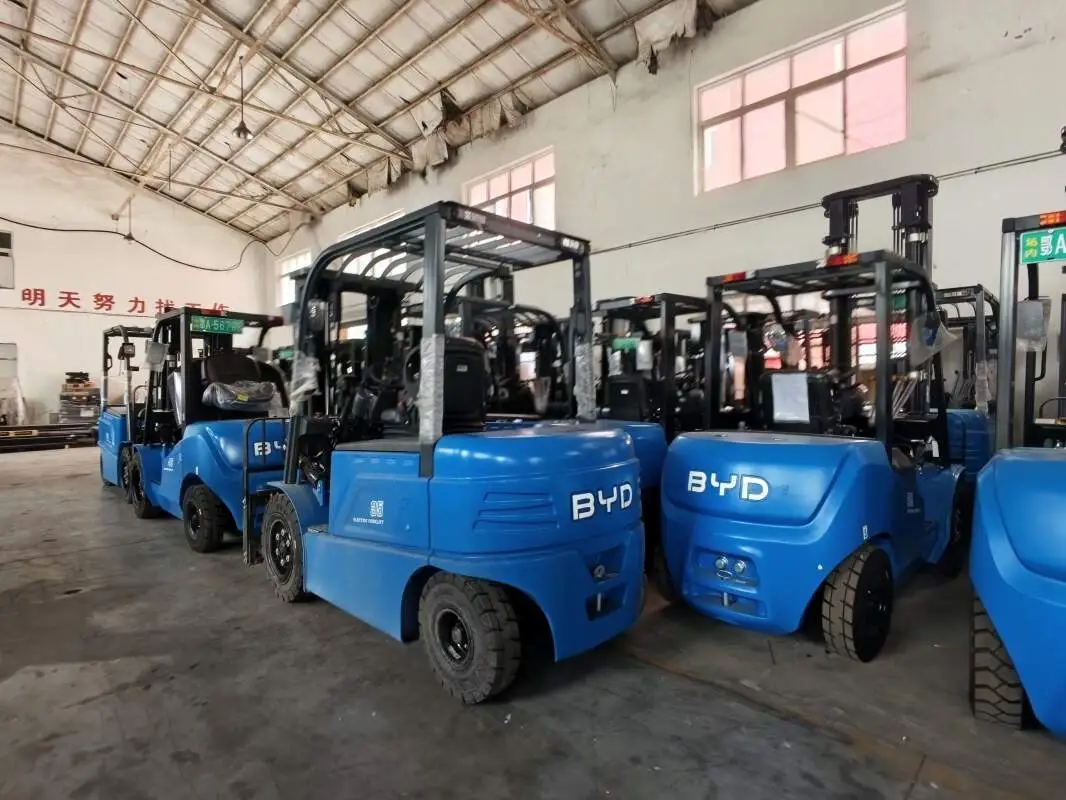
For California’s industrial sectors—from warehousing and logistics to manufacturing and construction—forklifts are essential tools driving daily operations. When evaluating Multi-One forklift options, understanding price dynamics is critical for informed budget decisions. This guide provides a practical reference tailored to local industrial users.
Several core factors influence Multi-One forklift pricing in California. First, operational specifications play a key role: models with higher load capacities (ranging from 2 to 5 tons) and extended lift heights typically carry higher price tags. Additional configurations like side shifters, fork positioners, or specialized attachments for unique goods can increase costs by 10% to 20%. California’s strict environmental regulations also impact pricing; electric forklifts aligning with CARB emissions standards often have higher upfront costs than internal combustion models, though they may qualify for state energy efficiency rebates. Local logistics, including delivery and installation fees, vary across the state—users in rural areas may face slightly higher charges than those in urban hubs like Los Angeles or Oakland.
Typical price ranges offer a baseline for budgeting. Entry-level Multi-One forklifts with a 2-3 ton capacity and standard lift height generally fall between $18,000 and $25,000. Mid-range models designed for heavier loads (3-5 tons) with enhanced lift capabilities range from $25,000 to $38,000. Electric variants, due to advanced battery technology and compliance features, cost approximately 15% to 25% more than comparable internal combustion models. For short-term projects or businesses preferring flexibility, monthly leasing options start at $300 for basic models, extending to $800 for high-capacity, specialized units.
Effective budget planning requires balancing upfront costs with long-term operational expenses. Start by assessing specific needs: if your facility has high ceilings, prioritize models with extended lift heights to avoid overpaying for unnecessary features. Electric forklifts, despite higher upfront costs, often lower long-term expenses through reduced fuel and maintenance costs, especially with California’s available rebate programs. Compare purchasing versus leasing: leasing can alleviate upfront financial strain for short-term use, while purchasing is more cost-effective for long-term, daily operations. Don’t overlook ongoing costs like maintenance, insurance, and battery replacement (for electric models), which typically add 5% to 10% of the initial price annually.
Ultimately, these price ranges serve as a general reference. Final pricing may vary based on supplier negotiations, bulk purchase discounts, and current market conditions. For the most accurate quotes, consult local forklift providers who understand California’s regulatory requirements and can tailor solutions to your industrial operation’s unique needs.