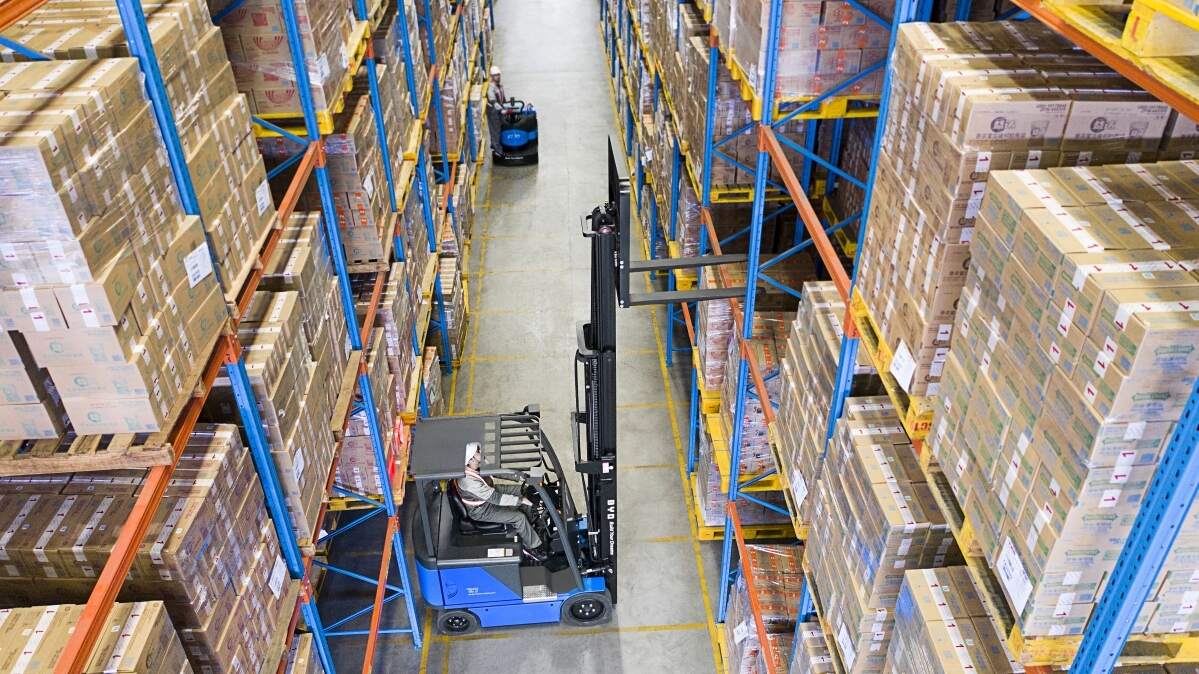
High-bay storage has become a cornerstone of modern warehouse operations, enabling businesses to maximize vertical space and streamline inventory management. However, navigating narrow aisles and reaching elevated storage positions demands equipment that balances power, precision, and adaptability. Electric reach stacker forklifts emerge as a tailored solution, offering a range of performance benefits that address the unique challenges of high-bay environments.
One of the most significant advantages of electric reach stacker forklifts is their ability to optimize space utilization in high-bay facilities. Unlike traditional forklifts, these models feature extendable reach mechanisms that allow operators to access storage racks at heights often exceeding 10 meters, while their compact design enables safe and efficient movement through narrow aisles. This combination means warehouses can reduce aisle widths without compromising access to inventory, effectively increasing overall storage density in many cases. By making the most of vertical and horizontal space, businesses can store more inventory within the same footprint, reducing the need for costly facility expansion.
Energy efficiency is another key performance benefit that sets electric reach stacker forklifts apart from their internal combustion counterparts. Powered by advanced battery systems, these forklifts produce zero tailpipe emissions, making them ideal for indoor high-bay warehouses where air quality and ventilation are critical concerns. Additionally, electric models consume significantly less energy per hour of operation compared to gas or diesel forklifts, with regenerative braking systems capturing and reusing energy during deceleration. This not only lowers operational costs but also reduces reliance on fossil fuels, aligning with sustainable warehouse practices.
Precision and operational flexibility further enhance the value of electric reach stacker forklifts in high-bay storage. Their responsive controls and adjustable reach mechanisms allow operators to handle loads with pinpoint accuracy, minimizing the risk of product damage or rack collisions. Many models also feature ergonomic operator cabins, with intuitive interfaces and clear visibility of elevated storage positions, reducing operator fatigue and increasing task efficiency. Whether retrieving small pallets or heavy loads from high racks, these forklifts deliver consistent performance, ensuring smooth workflow even during peak operational hours.
Finally, electric reach stacker forklifts offer long-term cost savings through reduced maintenance requirements. Unlike internal combustion forklifts, which have complex engine components that require regular servicing, electric models have fewer moving parts, resulting in lower repair and maintenance costs. Battery systems are designed for long lifespans with proper care, and routine maintenance primarily involves battery checks, tire inspections, and lubrication of key components. This translates to less downtime and more productive hours on the warehouse floor, contributing to improved overall operational efficiency.
In conclusion, electric reach stacker forklifts are a strategic investment for businesses operating high-bay storage facilities. Their ability to maximize space, reduce energy consumption, deliver precise operation, and lower maintenance costs makes them a reliable and efficient solution for meeting the demands of modern warehouse management.