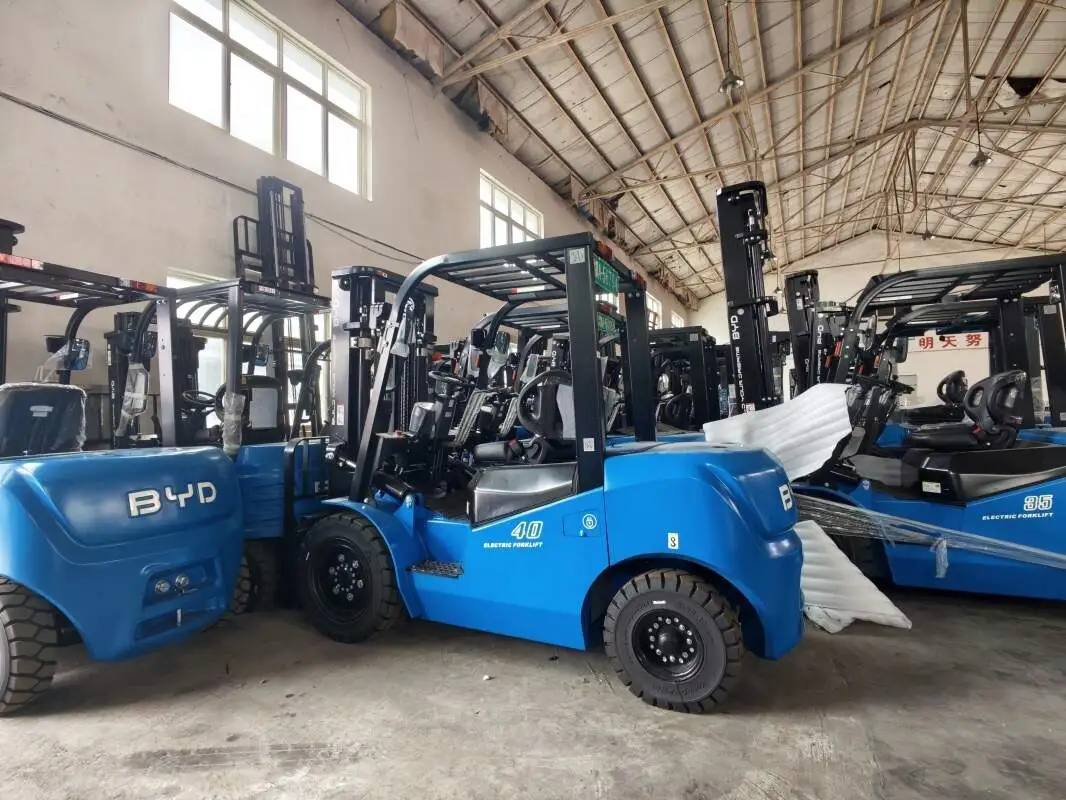
Stand-up forklifts play a critical role in modern warehouse and logistics operations, offering unmatched maneuverability in narrow spaces that traditional sit-down models cannot replicate. However, their market prices vary significantly, influenced by a combination of interconnected factors that buyers must evaluate to make cost-effective purchasing decisions.
Manufacturing materials and core components form the foundational layer of stand-up forklift pricing. The quality and type of steel used for the chassis directly impacts durability and production costs; high-grade alloy steel, which resists corrosion and heavy load stress, increases material expenses. Hydraulic systems, electric motors, and energy storage solutions are other key contributors—advanced lithium-ion batteries, for instance, command a higher price than lead-acid alternatives but offer longer lifespans, faster charging, and reduced maintenance needs, which shape the overall cost point.
Technological advancements also drive price fluctuations across the stand-up forklift market. Modern models equipped with smart features such as collision avoidance systems, telematics for real-time fleet management, and ergonomic operator controls come with premium price tags. These technologies enhance operational safety, boost efficiency, and cut long-term downtime costs, but they require significant research and development investment that manufacturers pass on to consumers.
Market demand and supply dynamics are crucial determinants of pricing. During periods of high demand, such as peak retail seasons or industrial expansion phases, suppliers may adjust prices upward due to limited inventory availability. Conversely, oversupply in a sluggish industrial market can lead to competitive pricing and promotional discounts to clear stock. Regional variations in demand, tied to local industrial growth rates and logistics infrastructure development, also create price disparities across different markets.
Regulatory and compliance requirements add to the overall cost structure of stand-up forklifts. Governments worldwide impose strict emissions standards for electric-powered models, as well as safety regulations related to operator protection, load capacity limits, and stability. Meeting these standards often requires additional testing, design modifications, and certification processes, all of which increase production costs and translate to higher market prices.
After-service and support packages further influence the perceived value and pricing of stand-up forklifts. Units sold with comprehensive warranty coverage, on-site maintenance services, and operator training programs tend to have higher upfront prices. These services ensure minimal operational downtime and extend the equipment’s usable lifespan, making them a worthwhile investment for businesses despite the initial cost premium.
Understanding these multifaceted factors helps businesses balance upfront costs with long-term operational benefits. By evaluating material quality, technological features, market conditions, regulatory compliance, and after-sales support, buyers can select stand-up forklifts that align with their operational needs and budget constraints.