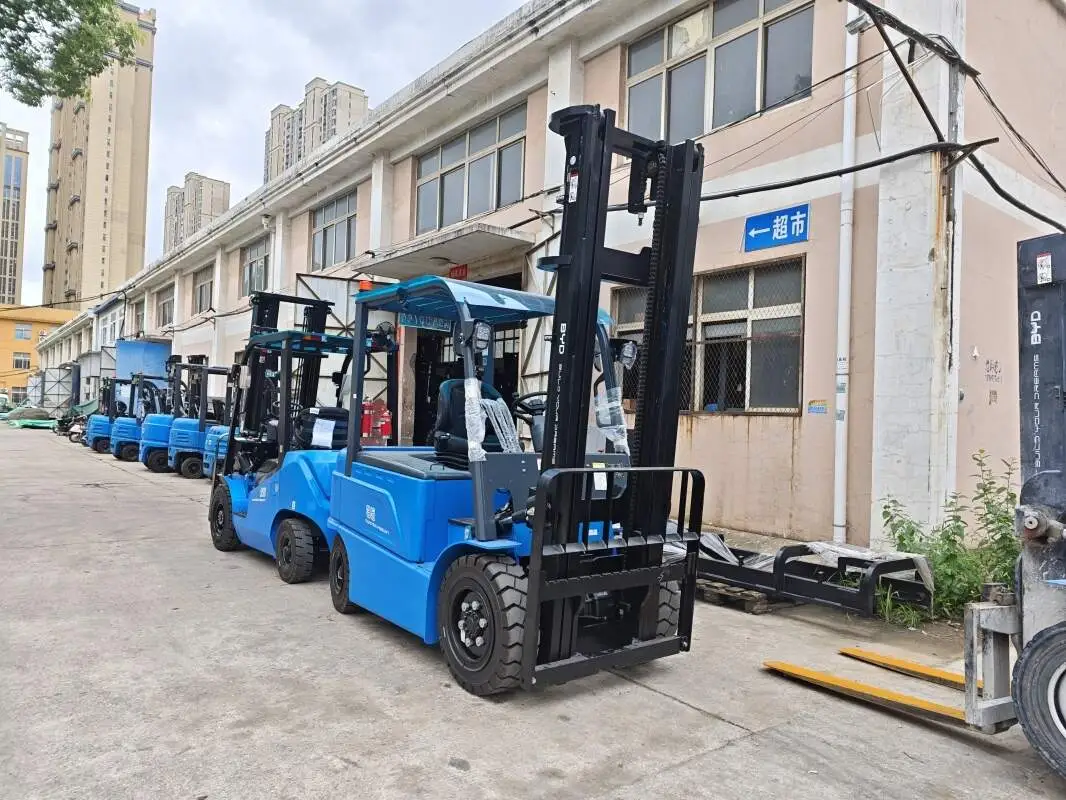
For businesses involved in warehousing, construction, or heavy material handling, a 5 tonne forklift is a reliable workhorse that streamlines daily operations. Yet, the decision between hiring and purchasing this equipment often stumps many operations managers. Understanding the specific scenarios where each option makes sense is key to optimizing operational efficiency and cost-effectiveness.
5 tonne forklift hire shines in several targeted scenarios. First, short-term or project-based work—such as seasonal inventory surges, temporary construction sites, or one-off logistics contracts—makes rental the practical choice. Instead of tying up capital in a piece of equipment that will sit idle after the project ends, rental allows businesses to access the exact capacity they need for the required duration. Startups or small businesses with limited upfront capital also benefit from rental, as it eliminates the large initial expenditure associated with purchase. Additionally, companies that prioritize flexibility can leverage rental to adapt to changing operational needs; if a project requires a different type of forklift later, switching rental agreements is far easier than selling an owned unit and purchasing a new one. Rental also transfers the burden of maintenance, repairs, and equipment upgrades to the provider, freeing internal teams to focus on core operations.
On the other hand, purchasing a 5 tonne forklift is a strategic choice for businesses with long-term, consistent material handling needs. If your operation uses the forklift daily for multiple years, the total cost of ownership often becomes lower than repeated rental payments over the same period. Businesses with dedicated maintenance teams and storage facilities can manage upkeep in-house, reducing long-term costs compared to rental contracts that may include premium service fees. Purchasing also allows for customization—modifications like specialized attachments tailored to specific operational requirements are easier to implement on owned equipment. Moreover, owned forklifts serve as a tangible asset on the company’s balance sheet, which can offer financial benefits such as depreciation deductions.
When weighing the two options, cost analysis is critical. Rental requires minimal upfront cost, with fixed monthly payments that simplify budgeting, and includes all maintenance and repair costs. Purchasing demands a significant initial outlay, followed by ongoing expenses for insurance, maintenance, and fuel. However, over 3-5 years, the cumulative cost of purchasing often becomes more cost-effective than rental only if the equipment is used consistently. To make the right decision, businesses should assess their usage frequency, project timelines, capital availability, and long-term operational goals. For short-term, variable needs, hire is the clear winner. For long-term, steady operations, purchasing delivers better value over time.
Ultimately, there’s no one-size-fits-all answer. By evaluating your unique operational scenarios and aligning them with the benefits of hire versus purchase, you can select the option that best supports your business’s growth and efficiency objectives.