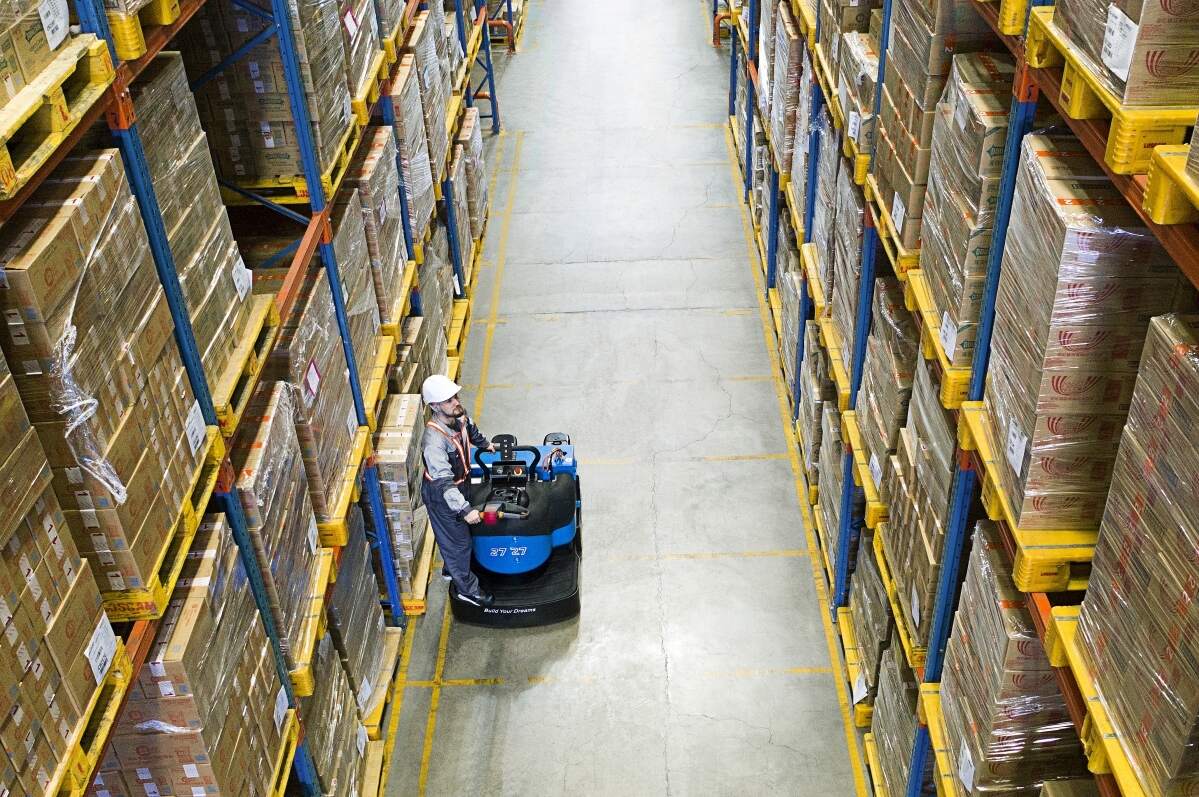
Indoor warehouse forklift operations are essential for efficient material handling, but the noise generated can pose significant challenges for both employee well-being and regulatory compliance. Prolonged exposure to high noise levels can lead to hearing loss, increased stress, and reduced productivity, making effective noise reduction strategies a critical priority for warehouse managers.
One of the primary approaches to reducing forklift noise is focusing on equipment upgrades and maintenance. Opting for forklift models designed with low-noise components can make an immediate difference. For instance, selecting forklifts equipped with advanced engine insulation or electric motors, which typically produce less noise than their diesel counterparts, can lower baseline noise levels. Regular maintenance is also key: worn-out tires, loose parts, and poorly lubricated hydraulic systems can amplify noise. Replacing pneumatic tires with solid, low-noise alternatives reduces road noise, while routine inspections of exhaust systems, belts, and bearings can catch and fix issues that cause excessive rattling or humming. Adding auxiliary noise-reduction features, such as exhaust mufflers or sound-dampening mats in the operator’s cabin, further minimizes noise transmission.
Operational adjustments play a vital role in mitigating noise without disrupting workflow. Training forklift operators to adopt smooth driving techniques can significantly cut down on noise. Encouraging gradual acceleration and deceleration instead of sudden starts and stops reduces the strain on the engine and associated noise. Setting speed limits in narrow or densely populated areas of the warehouse not only enhances safety but also lowers noise from tire friction and engine revving. Additionally, scheduling noisy operations—such as loading and unloading heavy cargo—during off-peak hours when fewer employees are present can limit exposure to high noise levels. Optimizing warehouse traffic flow to avoid frequent stops, turns, and collisions between forklifts and storage racks also helps maintain a quieter environment.
Facility modifications are another effective layer of noise reduction. Installing sound-absorbing materials on walls, ceilings, and floors can trap and reduce reflected noise. Materials like acoustic panels, rubber flooring, and foam insulation absorb sound waves instead of bouncing them around the warehouse. Erecting temporary or permanent sound barriers between high-noise operation zones and workstations or break areas creates physical separation that limits noise propagation. Designing the warehouse layout to isolate forklift traffic routes from pedestrian areas can also minimize noise exposure for non-operating staff. For example, using designated corridors for forklifts and ensuring clear signage helps direct traffic away from quiet zones.
Finally, ongoing employee training and awareness programs reinforce noise reduction efforts. Educating all warehouse staff about the risks of excessive noise and the importance of following noise control protocols encourages collective responsibility. Training operators to identify and report unusual noise from forklifts promptly can lead to early maintenance, preventing noise levels from worsening. Providing personal protective equipment (PPE) such as earplugs or earmuffs for employees working in high-noise areas offers an additional layer of protection, complementing other noise reduction strategies.
By combining equipment upgrades, operational best practices, facility modifications, and employee training, warehouse managers can create a quieter, safer, and more productive work environment. These approaches not only help meet regulatory noise standards but also improve employee morale and long-term health outcomes.