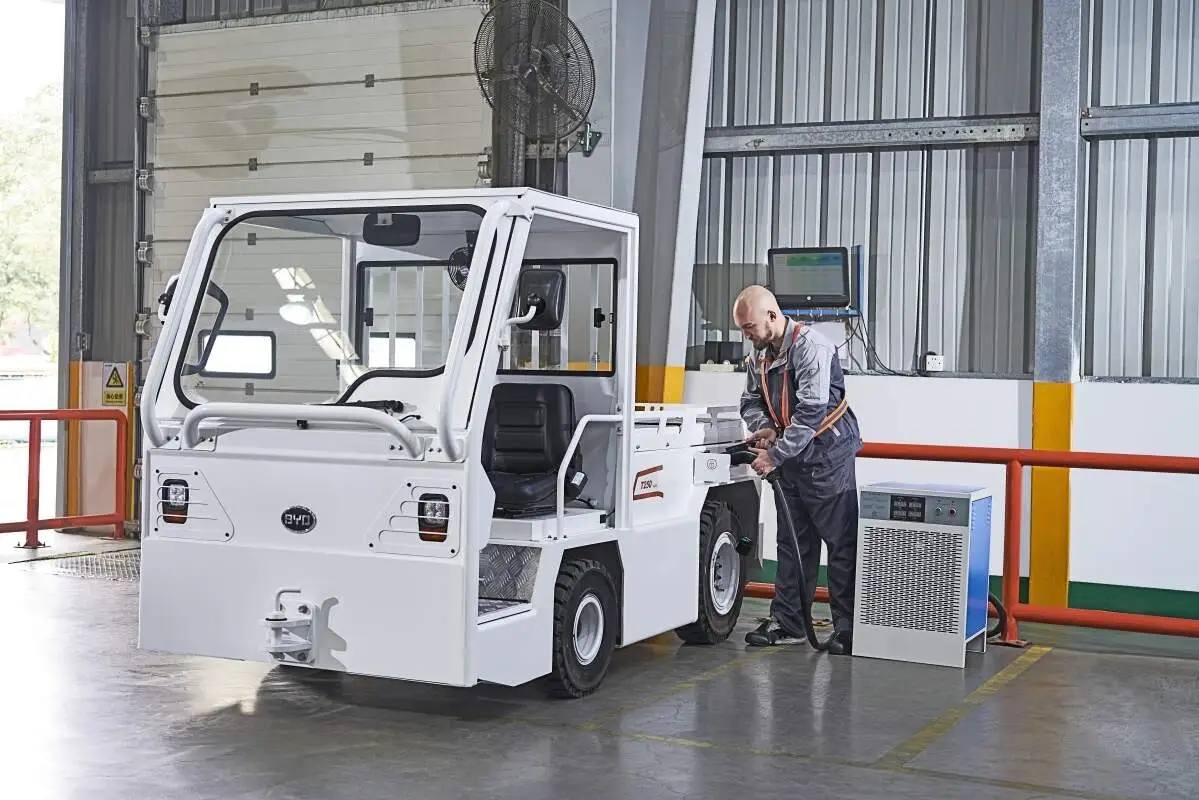
Forklifts operate in a wide range of environments, from indoor warehouses with floating dust to outdoor construction sites exposed to rain and mud. Electrical components, as the core control and power supply system of forklifts, face constant threats from water and dust intrusion, which can lead to short circuits, component corrosion, and unexpected downtime. Therefore, adhering to strict waterproof and dustproof requirements is essential to maintain the reliability and service life of forklift electrical systems.
First and foremost, understanding and applying appropriate Ingress Protection (IP) ratings is fundamental. The IP rating system, defined by international standards, indicates a component’s ability to resist solid particles and liquid ingress. For forklift electrical components, the minimum recommended rating varies by application: indoor warehouse forklifts may require at least IP54, which protects against dust ingress and splashing water from any direction. Outdoor or construction site forklifts need higher ratings, such as IP65, which provides complete protection against dust and low-pressure water jets from all angles. Selecting components with matching IP ratings ensures they can withstand the specific environmental conditions of their operating area.
Sealing design is another critical requirement for waterproof and dustproof performance. All electrical connections, including connectors, wiring terminals, and junction boxes, must be equipped with reliable sealing structures. For example, connectors should use rubber gaskets or O-rings to create a tight barrier between mating parts, preventing water and dust from entering the contact area. Junction boxes should have sealed lids with waterproof adhesive or clamping mechanisms to avoid gaps. Additionally, electrical motors and control panels should feature integrated sealing layers, such as waterproof coatings on circuit boards and dustproof covers over cooling vents, to block contaminants while maintaining necessary heat dissipation.
Routine maintenance is equally important to sustain waterproof and dustproof effectiveness over time. Regular inspections should be conducted to check for signs of seal wear, such as cracked gaskets or loose junction box lids, and damaged seals should be replaced promptly. After operating in dusty or wet conditions, operators should clean electrical components with dry, soft cloths to remove surface dust and wipe away any accumulated moisture, taking care not to use high-pressure water jets that could force water past seals. Periodic testing of insulation resistance can also help detect early signs of water or dust intrusion, allowing for timely repairs before major failures occur.
By following these waterproof and dustproof requirements—selecting components with suitable IP ratings, implementing robust sealing designs, and conducting consistent maintenance—forklift operators can significantly reduce the risk of electrical system failures. This not only minimizes downtime and repair costs but also ensures safe and stable forklift operation in challenging work environments.